
Difference Between Dry Mill and Wet Mill: Which Grinding Method is Best for Your Industry?
We provide a wide range of mills — including Raymond mill, trapezoidal mill, vertical mill, ultrafine mill, and ball mill, obtained ISO9001 international quality certification, EU CE certification, and Customs Union CU-TR certification. Suitable for processing minerals such as limestone, phosphate, quicklime, kaolin, talc, barite, bentonite, calcium carbonate, dolomite, coal, gypsum, clay, carbon black, slag, cement raw materials, cement clinker, and more.
The discharge range of these mills can be adjusted to meet specific processing needs, typically from 80-400 mesh, 600-3250 mesh, and can achieve the finest particle size of up to 6000 mesh(D50).
If you are looking for a reliable grinding solution to turn stone or minerals into fine powder, please feel free to contact our online customer service.
Difference Between Dry Mill and Wet Mill: Which Grinding Method is Best for Your Industry?
Grinding is a fundamental process in numerous industries, from mining and construction to pharmaceuticals and food production. The choice between dry and wet milling methods can significantly impact your operation’s efficiency, product quality, and bottom line. While both methods aim to reduce particle size, they achieve this through fundamentally different processes and are suited for distinct applications.
Dry Milling: The Power of Air and Friction
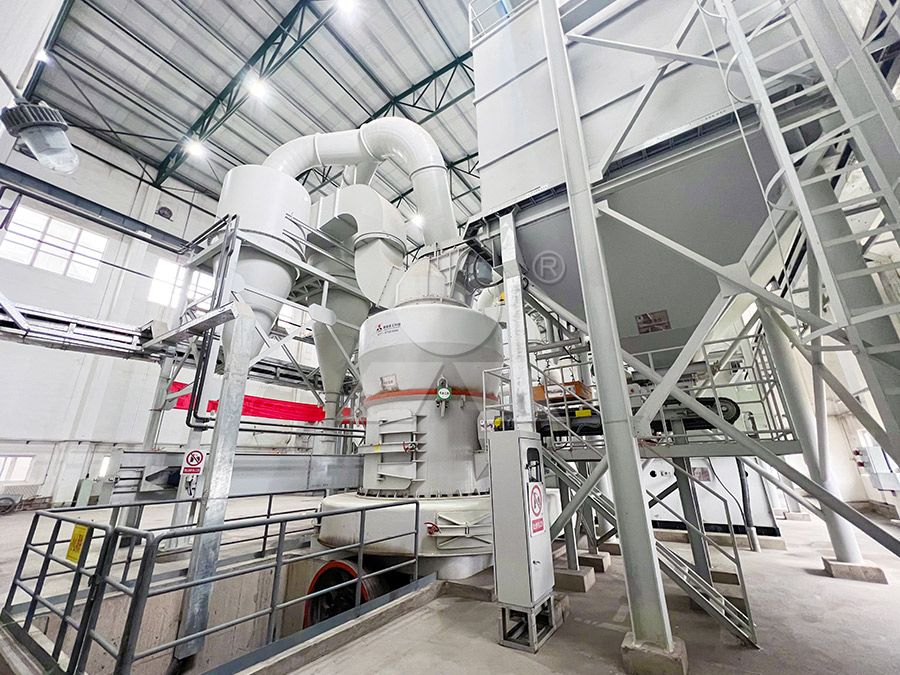
Dry milling, as the name implies, involves reducing the size of materials without the use of any liquid medium. The process relies on mechanical forces like impact, compression, and attrition in an air-swept environment. This method is generally preferred when the final product must be a dry powder, or when the material itself is moisture-sensitive.
Key Advantages of Dry Milling:
- No Drying Step Required: Eliminates the energy-intensive and costly process of drying the final product.
- Lower Operational Costs: No need for liquid handling, filtration, or wastewater treatment systems.
- Wider Material Suitability: Ideal for materials that react with water or are intended for immediate dry packaging.
Wet Milling: The Precision of Liquid Suspension
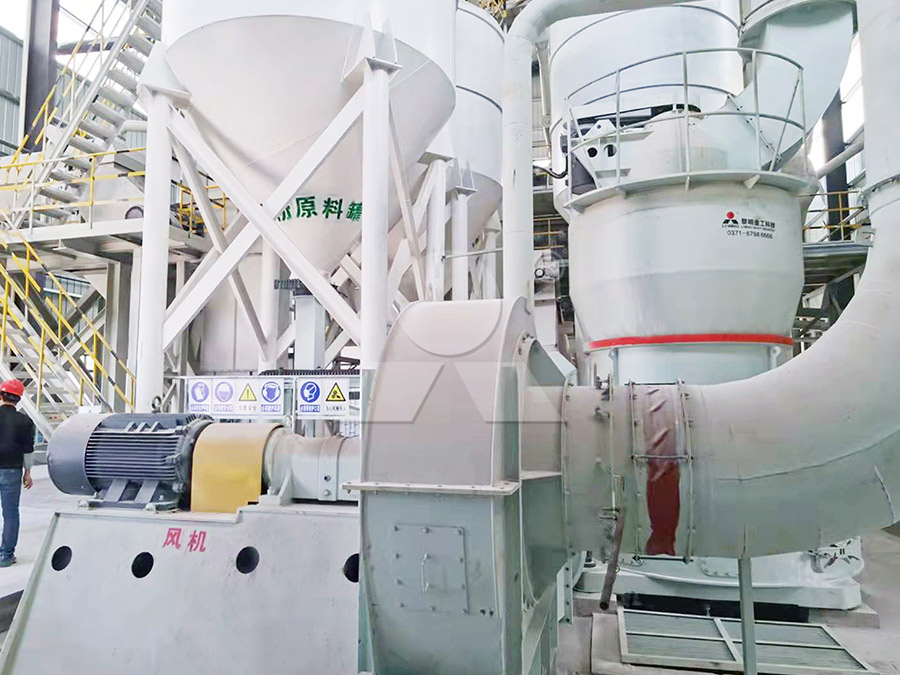
Wet milling suspends the raw material in a liquid stream (often water) to facilitate the grinding process. The liquid acts as a transport medium, helps to dissipate heat, and can prevent the re-agglomeration of fine particles. This method is often chosen for achieving very fine particle sizes and for materials that are not affected by the introduction of moisture.
Key Advantages of Wet Milling:
- Finer Particle Sizes: Often capable of achieving a narrower and finer particle size distribution.
- Heat Dissipation: The liquid coolant prevents thermal degradation of heat-sensitive materials.
- Dust Control: Completely eliminates dust generation, a major advantage for worker safety and air quality.
Choosing the Right Method for Your Application
The decision isn’t always straightforward. Consider these factors:
- Final Product Specification: Must it be a dry powder or can it be a slurry?
- Material Properties: Is the material heat-sensitive? Does it react with water?
- Capital and Operational Costs: Wet mills often have higher ancillary costs for pumps, filters, and dryers.
- Environmental Regulations: Wet processes generate wastewater that must be treated.
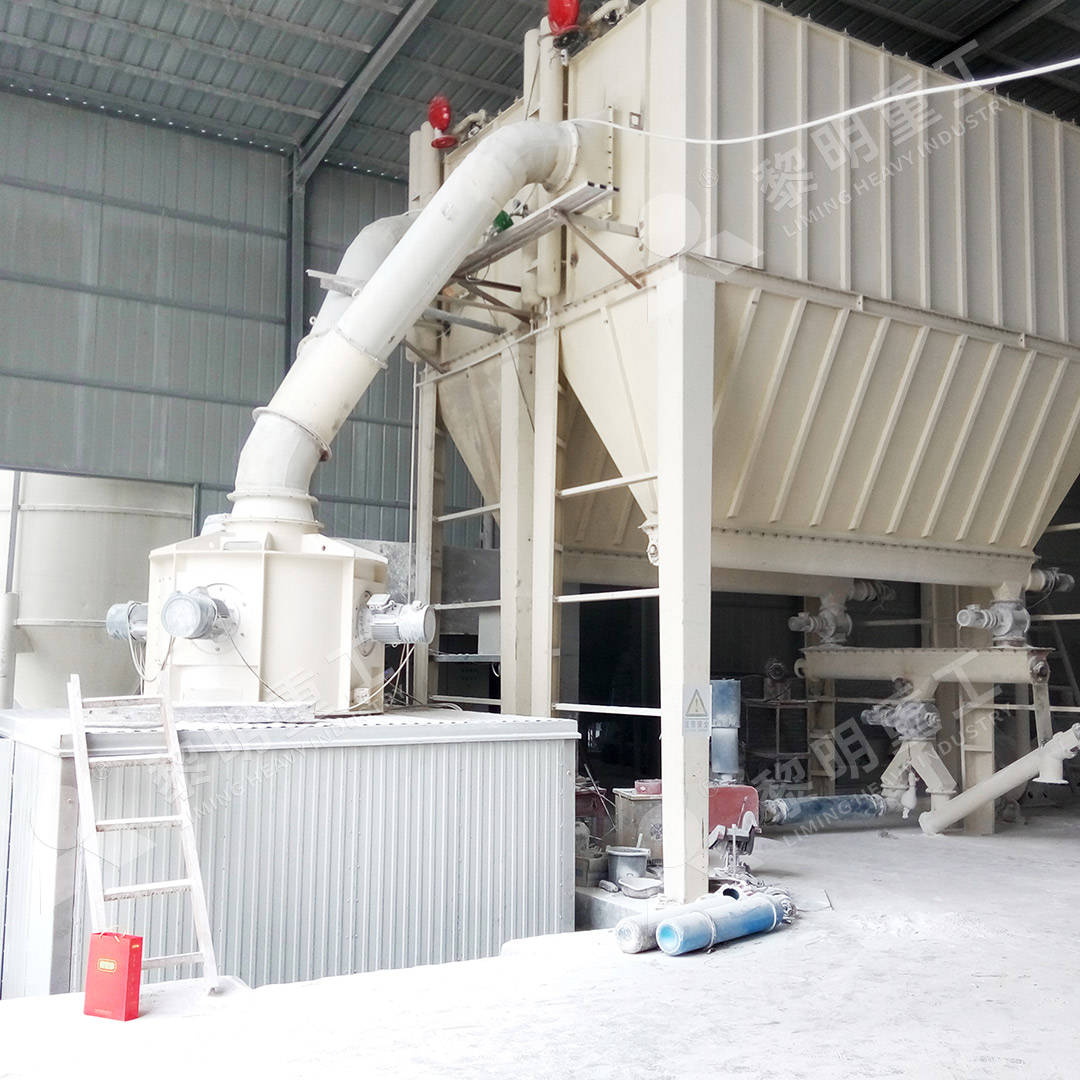
For operations requiring ultra-fine dry powders, advanced dry milling technology is paramount. This is where our MW Ultrafine Grinding Mill excels. Designed for customers who need to make ultra-fine powder without the hassles of liquid processing, this machine is a game-changer. With an input size of 0-20 mm and a capacity range of 0.5-25 tph, it’s incredibly versatile.
Its cage-type powder selector, adopting German technologies, allows you to precisely adjust fineness between 325-2500 meshes. A key feature for dry milling operations is its efficient pulse dust collector and muffler, which drastically reduce dust and noise, ensuring your entire production line meets stringent environmental standards. For industries like chemicals, paints, cosmetics, and food additives where purity and dryness are non-negotiable, the MW Mill offers higher yielding and lower energy consumption—its system energy usage is only 30% of a jet mill.
Conclusion
There is no universal “best” method—only the best method for your specific material, desired product, and operational constraints. Dry milling offers efficiency and simplicity for dry products, while wet milling provides precision and control for ultra-fine slurries. By carefully evaluating your needs against the strengths of each technology, you can select the grinding method that will optimize your process, reduce costs, and deliver a superior product.
For those leaning towards a high-performance dry milling solution, we highly recommend exploring the capabilities of our MW Ultrafine Grinding Mill. Its innovative design addresses the core challenges of dry processing, making it an intelligent investment for a future-proof operation.