
Difference Between Dry Mill and Wet Mill: Which Grinding Method is Best for Your Industry?
We provide a wide range of mills — including Raymond mill, trapezoidal mill, vertical mill, ultrafine mill, and ball mill, obtained ISO9001 international quality certification, EU CE certification, and Customs Union CU-TR certification. Suitable for processing minerals such as limestone, phosphate, quicklime, kaolin, talc, barite, bentonite, calcium carbonate, dolomite, coal, gypsum, clay, carbon black, slag, cement raw materials, cement clinker, and more.
The discharge range of these mills can be adjusted to meet specific processing needs, typically from 80-400 mesh, 600-3250 mesh, and can achieve the finest particle size of up to 6000 mesh(D50).
If you are looking for a reliable grinding solution to turn stone or minerals into fine powder, please feel free to contact our online customer service.
Difference Between Dry Mill and Wet Mill: Which Grinding Method is Best for Your Industry?
Grinding is a fundamental process in countless industries, from mining and construction to pharmaceuticals and food production. At the heart of this process lies a critical choice: dry milling or wet milling? Understanding the difference between these two methods is essential for optimizing efficiency, cost, and final product quality. Let’s break it down.
What is Dry Milling?
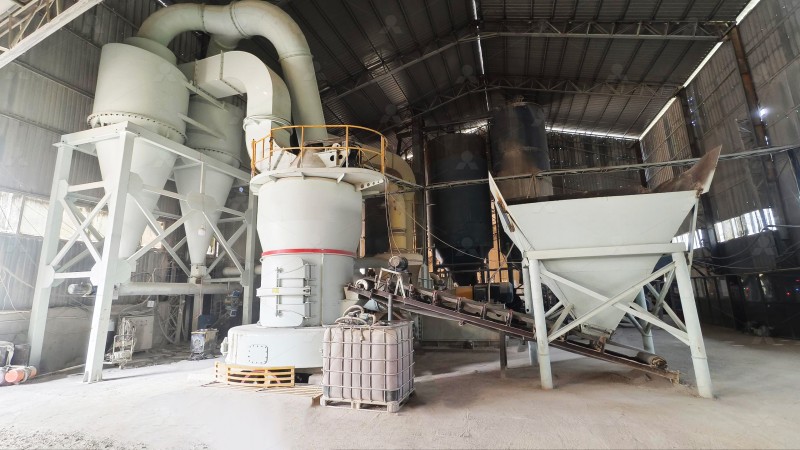
Dry milling is exactly what it sounds like – reducing the size of materials without using any liquid. The raw material is fed into the mill in its dry state and is ground by mechanical forces like impact, compression, or attrition.
Pros:
- Lower overall energy consumption (no need for liquid drying afterward)
- Simpler process flow and equipment
- Easier material handling and storage of the final powder
- No wastewater treatment required
Cons:
- Can generate significant dust, requiring robust dust collection systems
- Heat generation during grinding may affect heat-sensitive materials
- Higher risk of equipment wear from abrasion
- Can be less efficient for achieving very fine, uniform particle sizes
What is Wet Milling?
Wet milling involves suspending the raw material in a liquid medium, most commonly water, during the grinding process. The resulting slurry is then processed to separate the liquid from the finely ground particles.
Pros:
- Superior for achieving very fine and uniform particle sizes
- Effectively controls dust, creating a cleaner and safer work environment
- Manages heat better, protecting temperature-sensitive materials
- Often results in lower mill wear due to the lubricating effect of the liquid
Cons:
- Higher energy costs due to the subsequent drying process
- More complex system requiring slurry handling and dewatering equipment
- Needs wastewater treatment or liquid recycling systems
- Potential for product contamination from the grinding medium
Choosing the Right Method for Your Application
The best choice hinges on your material properties and desired outcome. Dry milling is often the go-to for hard, abrasive materials and in industries where introducing moisture is problematic, like cement or coal power. Wet milling excels with soft, fibrous materials, or when an ultra-fine, consistent powder is the ultimate goal, common in pharmaceuticals, fine ceramics, and paint pigments.
The Modern Solution: Advanced Dry Grinding Technology
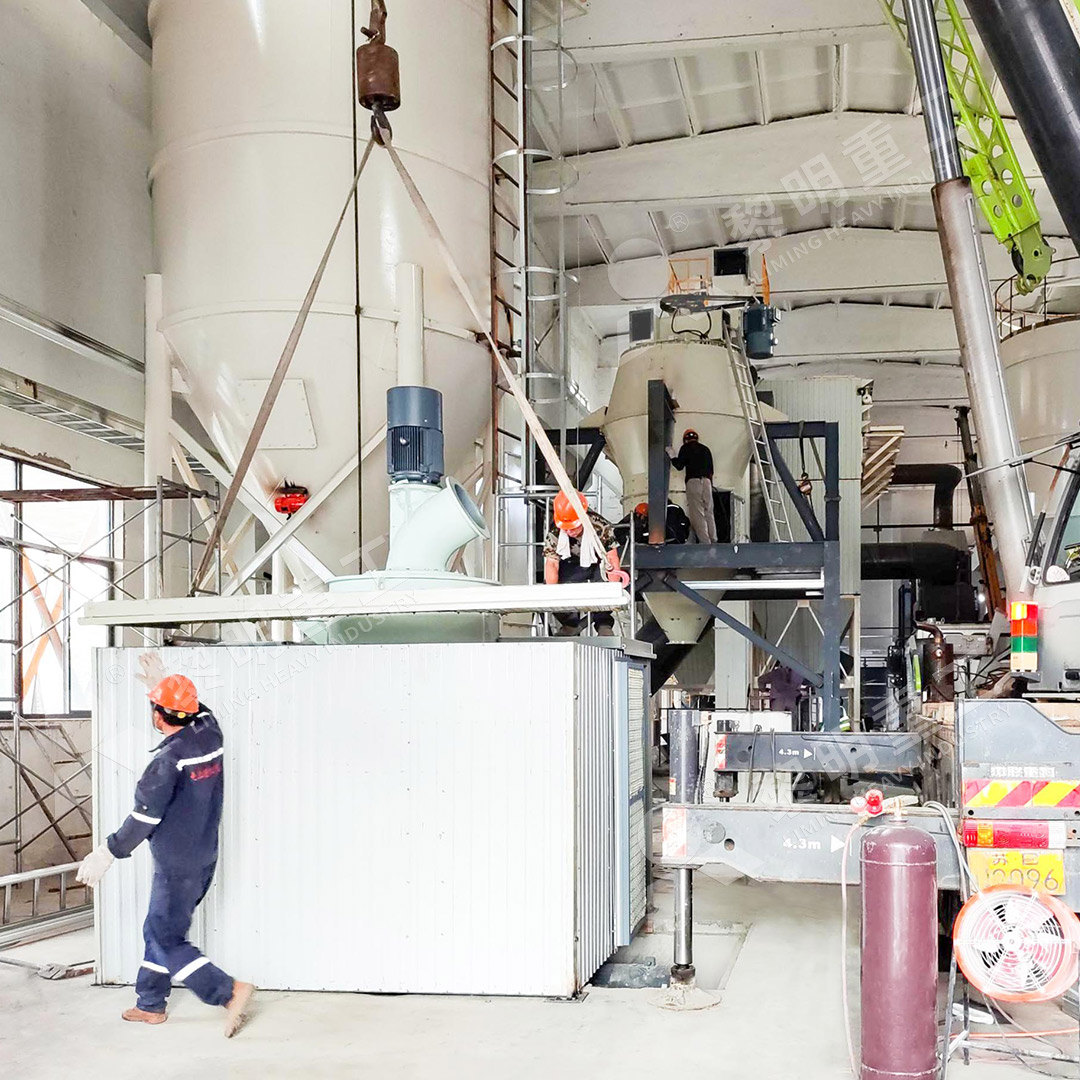
For operations that need the convenience and efficiency of dry milling but demand the fine, consistent quality often associated with wet processes, advanced ultrafine dry grinding mills are the answer. This is where our MW Ultrafine Grinding Mill truly shines.
This machine is a game-changer for customers who need to make ultra-fine powder without the wet milling hassle. It’s designed to tackle materials like limestone, calcite, dolomite, talc, and barite, producing powders with a fineness that can be adjusted between 325 and an impressive 2500 meshes. Imagine achieving a d97≤5μm particle size in a single pass—that’s the kind of precision we’re talking about.
What sets the MW Mill apart? It delivers higher yielding with lower energy consumption. Its newly designed grinding curves enhance efficiency so much that its production capacity is 40% higher than jet mills, yet its system energy consumption is only 30% of one. Plus, with features like an external lubricating device for 24/7 operation and an efficient pulse dust collector, it operates cleanly and reliably, meeting strict environmental standards.
Another Top-Tier Option: The LUM Ultrafine Vertical Grinding Mill
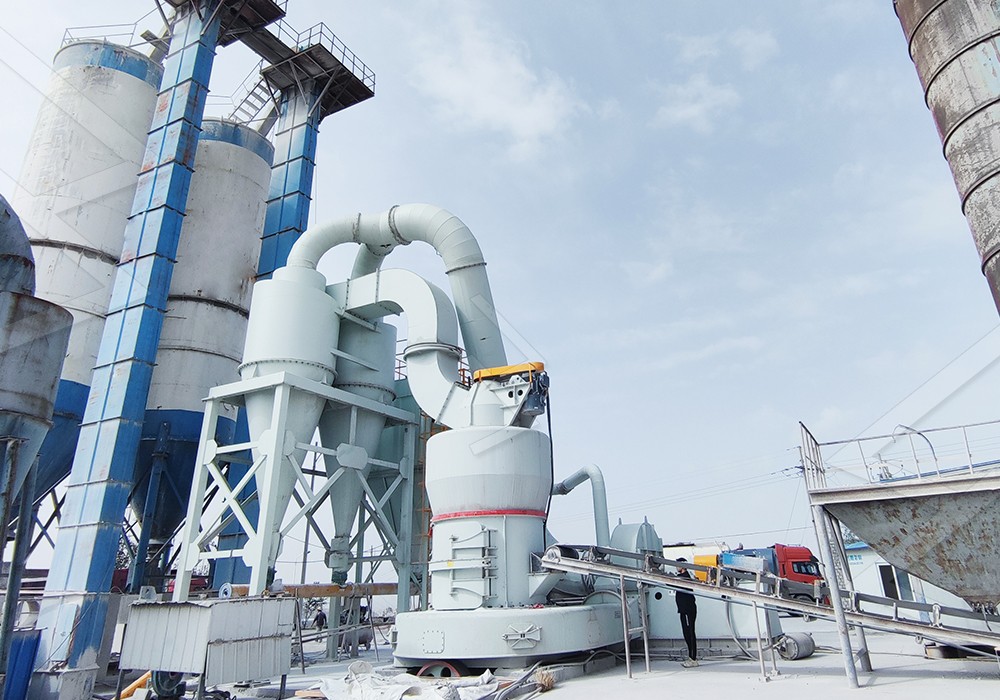
For operations requiring even more advanced control and stability, our LUM Ultrafine Vertical Grinding Mill is a premier choice. Integrating the latest grinding roller and powder separating technology from Germany and Taiwan, it represents the pinnacle of dry grinding efficiency.
Its unique roller shell and lining plate grinding curve are designed to easily generate a material layer, enabling a high rate of finished product in a single pass. This not only boosts efficiency but also improves the whiteness and cleanliness of your final powder. With its PLC control system and multi-head powder separating technology, it reduces energy consumption by 30%-50% compared to common mills. A key feature is its double position-limiting technology, which guarantees operational stability by preventing destructive impacts from machine vibration.
Conclusion: It’s All About Your Needs
There’s no universal “best” method—only the best method for your specific material, capacity, and quality requirements. While wet milling has its place for ultra-fine slurries, the advancements in dry grinding technology, exemplified by our MW and LUM mills, offer a powerful, efficient, and environmentally friendly alternative for producing high-quality superfine powders.
By carefully considering your material’s characteristics and production goals, you can select the optimal grinding method to maximize your profitability and product excellence. When in doubt, consult with an expert to find the perfect mill for your industry’s unique challenges.