
Difference Between Ball Mills and Bead Mills: Which is Better for Your Grinding Needs?
We provide a wide range of mills — including Raymond mill, trapezoidal mill, vertical mill, ultrafine mill, and ball mill, obtained ISO9001 international quality certification, EU CE certification, and Customs Union CU-TR certification. Suitable for processing minerals such as limestone, phosphate, quicklime, kaolin, talc, barite, bentonite, calcium carbonate, dolomite, coal, gypsum, clay, carbon black, slag, cement raw materials, cement clinker, and more.
The discharge range of these mills can be adjusted to meet specific processing needs, typically from 80-400 mesh, 600-3250 mesh, and can achieve the finest particle size of up to 6000 mesh(D50).
If you are looking for a reliable grinding solution to turn stone or minerals into fine powder, please feel free to contact our online customer service.
Difference Between Ball Mills and Bead Mills: Which is Better for Your Grinding Needs?
Hey folks, let’s talk grinding. It’s the heart of so many industrial processes, from mining to pharma, and choosing the right mill is absolutly critical for your bottom line and product quality. Two of the most common pieces of kit you’ll hear about are the trusty Ball Mill and the more specialized Bead Mill. They might seem similar at a glance—both reduce particle size—but under the hood, they operate on fundementally different principles. Picking the wrong one can mean wasted energy, poor product quality, and higher costs. So, let’s break it down.
The Classic Workhorse: Ball Mills
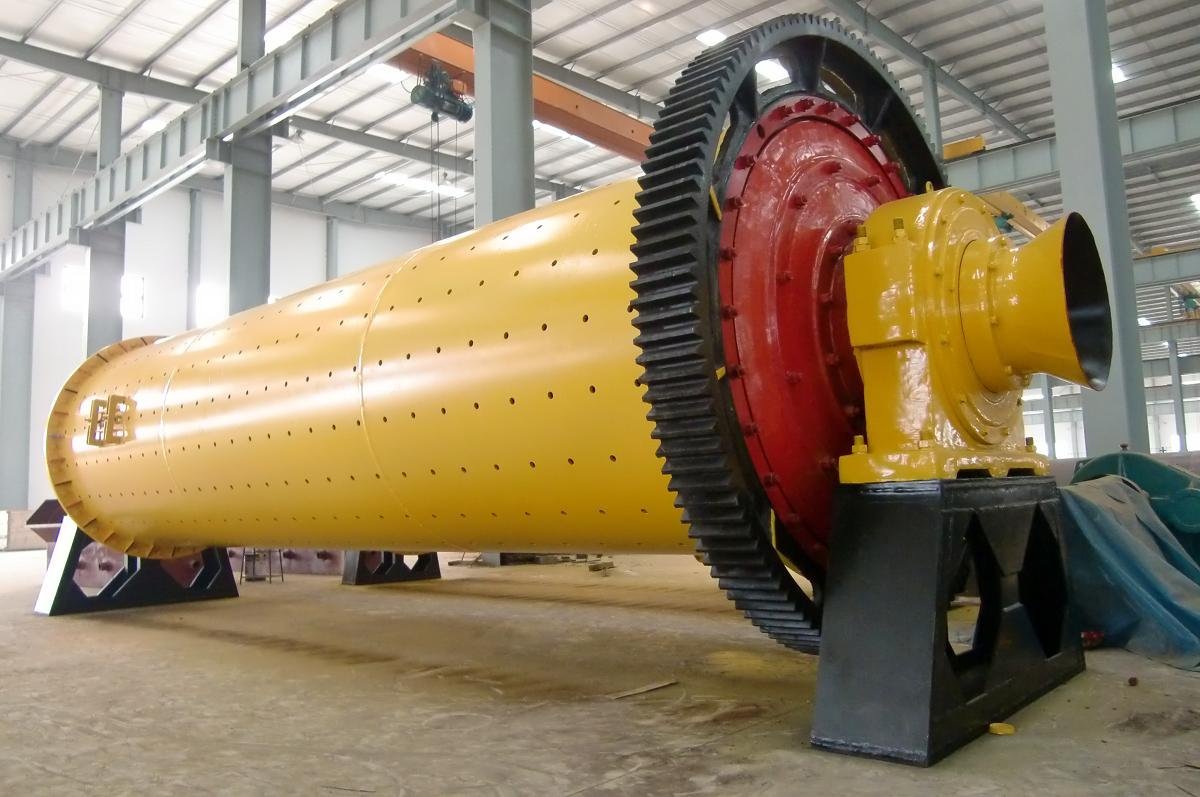
Ball mills are the old reliables. They’ve been around for ages. The concept is simple: a rotating cylinder (partially filled with grinding media, like steel or ceramic balls) imparts energy to the material inside through impact and attrition as the cylinder turns. The cascading and tumbling action of the balls crushes and grinds the feed material.
Pros:
- Versatility: They can handle a huge range of materials, from soft to extremely hard.
- Robustness: Simple design makes them durable and relatively easy to maintain.
- Scalability: They work well for both batch and continuous operations on a large scale.
Cons:
- Energy Hog: They are notoriously inefficient. A lot of energy is wasted on rotating the heavy drum and on friction, not on actual grinding.
- Heat Generation: All that friction and impact generates significant heat, which can be a problem for heat-sensitive materials.
- Noise & Vibration: They can be loud and cause vibrations.
- Limited Fineness: While capable, achieving truly ultra-fine finishes (think sub-10 micron) can be challenging and time-consuming.
The Precision Specialist: Bead Mills
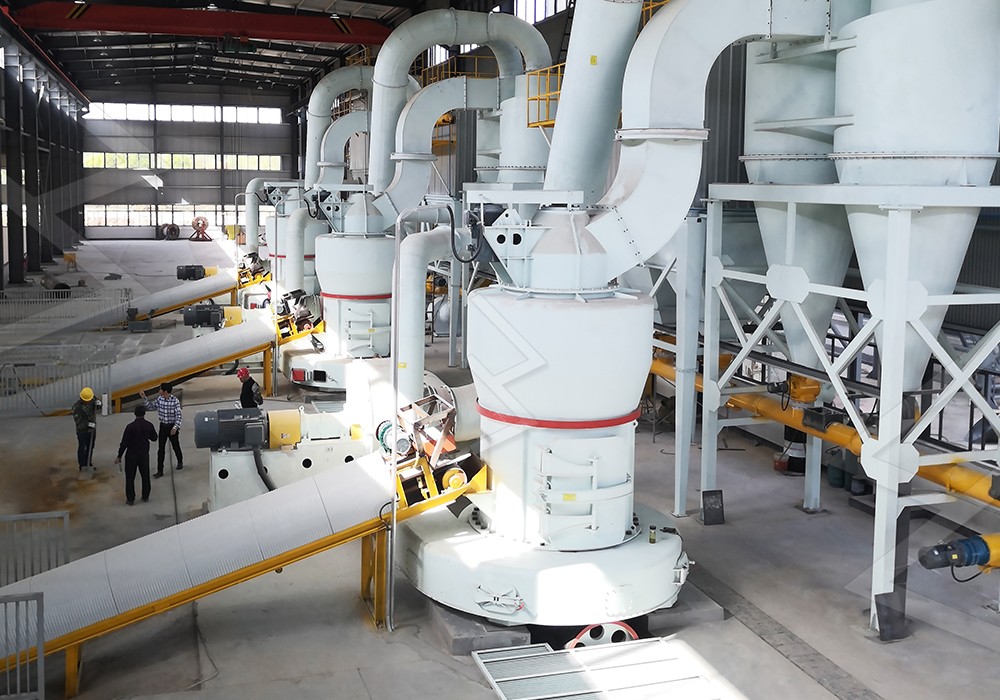
Bead mills (or sand mills) are the modern answer for high-performance fine and ultra-fine grinding. They use a stationary grinding chamber filled with very small grinding media (beads—hence the name) and an agitator that stirs the beads at high speed. The grinding action comes from the intense shear forces and collisions between the beads themselves.
Pros:
- High Efficiency: They transfer energy directly to the grinding media, making them much more energy-efficient than ball mills for fine grinding.
- Superfine Grinding: Excell at producing consistent, micron and sub-micron sized particles.
- Cooler Operation: Generate less heat per unit of grinding work, better for sensitive chemicals, pigments, and foods.
- Compact Design: Higher capacity in a smaller footprint.
Cons:
- Media Separation: Requires an efficient system to separate the small grinding beads from the product slurry, adding complexity.
- Wear: The agitator and chamber can experience wear from the abrasive media.
- Capital Cost: Can have a higher initial investment than a simple ball mill.
So, Which One is Better for YOU?
It’s not about which is better overall, but which is better for your specific application.
- Choose a Ball Mill if: You’re processing hard, abrasive materials in large quantities where ultimate fineness isn’t the primary goal. Think primary and secondary grinding of ores, minerals, and ceramics. It’s about brute force and reliability.
- Choose a Bead Mill if: You need the finest possible particle size, are working with sensitive materials, or need a highly energy-efficient process for suspensions, slurries, paints, inks, dyes, or advanced ceramics. It’s about finesse and precision.
Beyond the Binary: The Modern Ultrafine Solution
But what if you need the robustness and dry processing of larger mills with the fineness of advanced grinding technology? This is where modern Ultrafine Grinding Mills really shine, bridging the gap.
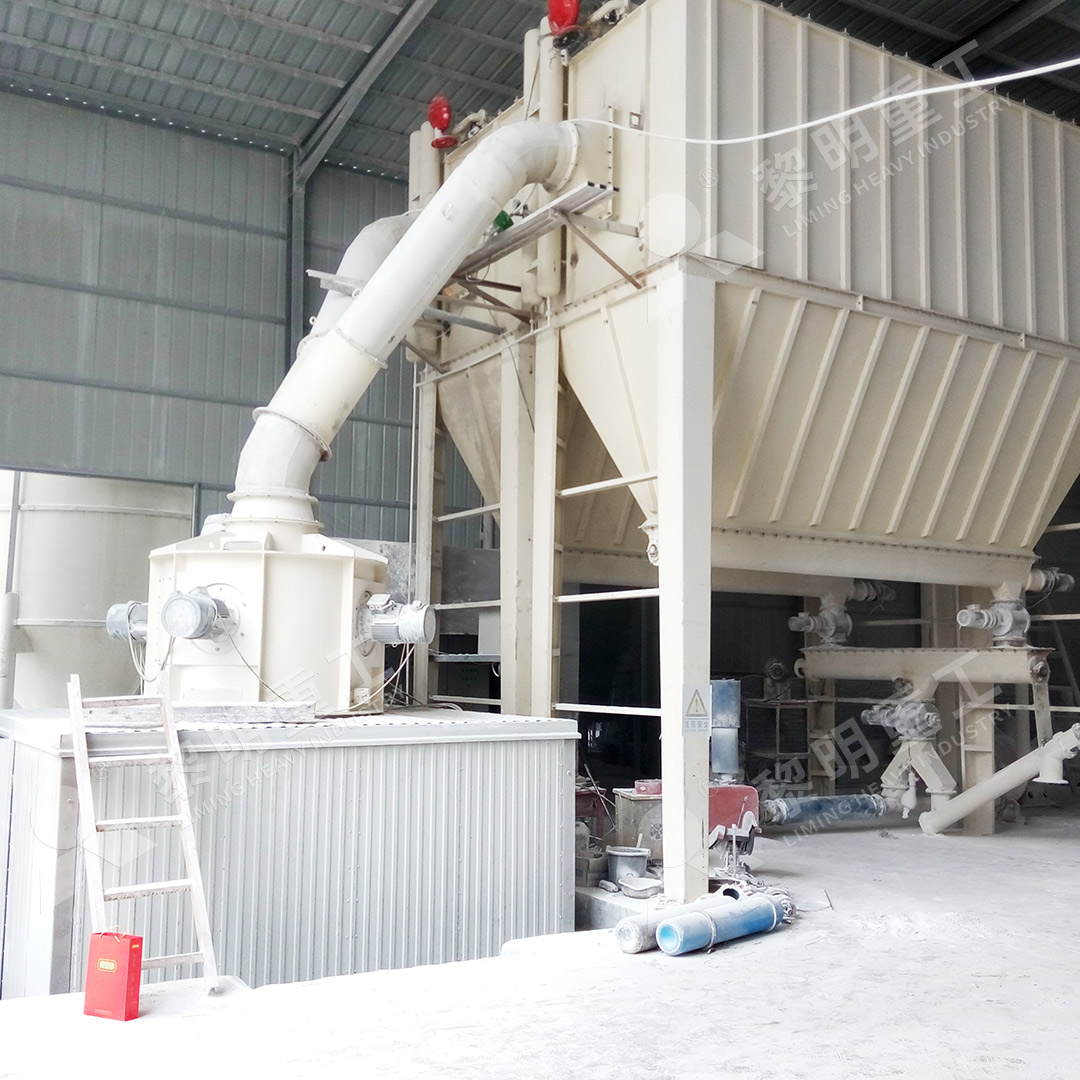
For operations that demand dry, ultra-fine powder with high efficiency, our MW Ultrafine Grinding Mill is a game-changer. It’s engineered for customers who need to make ultra-fine powder without the hassles of traditional methods.
Why the MW Mill stands out:
- Higher Yielding, Lower Energy: Its newly designed grinding curves enhance efficiency. It offers 40% higher capacity than jet mills and double the yield of ball mills, while using only 30% of the energy of a jet mill. That’s a massive operational saving.
- Precision Fineness: Achieve ajustable fineness between 325-2500 meshes (d97≤5μm) thanks to its advanced German-designed cage-type powder selector.
- Built for Uptime: A genius design feature: no rolling bearings or screws in the grinding chamber. This eliminates the most common failure points, preventing machine damage from loose screws or seized bearings. Lubrication is done externally without shutdown, enabling true 24/7 production.
- Eco-Friendly Operation: Comes equipped with an efficient pulse dust collector and silencer, meeting strict environmental standards with no dust pollution and reduced noise.
With an input size of 0-20mm and a capacity range of 0.5-25 tph, it’s perfect for materials like limestone, calcite, talc, barite, and applications in chemicals, paint, and cosmetics. If your needs lean towards vertical grinding for slightly larger capacities, our LUM Ultrafine Vertical Grinding Mill (5-18 tph) is another superb option, integrating the latest roller and powder separating technology.
The Bottom Line: While ball mills are versatile workhorses and bead mills excel at wet ultra-fine grinding, for dry, high-capacity, ultra-fine processing with unparalleled reliability, the MW Ultrafine Grinding Mill represents the next evolutionary step. It’s designed to give you the best of both worlds: incredible fineness without the operational headaches.
Still not sure? Reach out to our team. We’ll help you analyze your material and process requirements to pinpoint the perfect grinding solution for your needs.