
Difference Between Ball Milling and Ball Mill
We provide a wide range of mills — including Raymond mill, trapezoidal mill, vertical mill, ultrafine mill, and ball mill, obtained ISO9001 international quality certification, EU CE certification, and Customs Union CU-TR certification. Suitable for processing minerals such as limestone, phosphate, quicklime, kaolin, talc, barite, bentonite, calcium carbonate, dolomite, coal, gypsum, clay, carbon black, slag, cement raw materials, cement clinker, and more.
The discharge range of these mills can be adjusted to meet specific processing needs, typically from 80-400 mesh, 600-3250 mesh, and can achieve the finest particle size of up to 6000 mesh(D50).
If you are looking for a reliable grinding solution to turn stone or minerals into fine powder, please feel free to contact our online customer service.
Understanding the Core Concepts: Process vs. Machine
In the mineral processing and size reduction industry, the terms “ball milling” and “ball mill” are often used, sometimes interchangeably, but they represent two distinct concepts. Understanding this difference is crucial for selecting the right technology for your operation.
Ball Milling refers to the process of grinding or homogenizing materials using the principle of impact and attrition. It’s a mechanical technique where the material is crushed by balls inside a contained compartment. This process can be achieved using various types of equipment, not just a traditional ball mill.
A Ball Mill, on the other hand, is a specific piece of equipment designed to carry out the ball milling process. It is typically a horizontal, rotating cylindrical device filled with grinding media (the balls). The material is fed into the cylinder, and as it rotates, the balls cascade and impact the material, reducing its size.
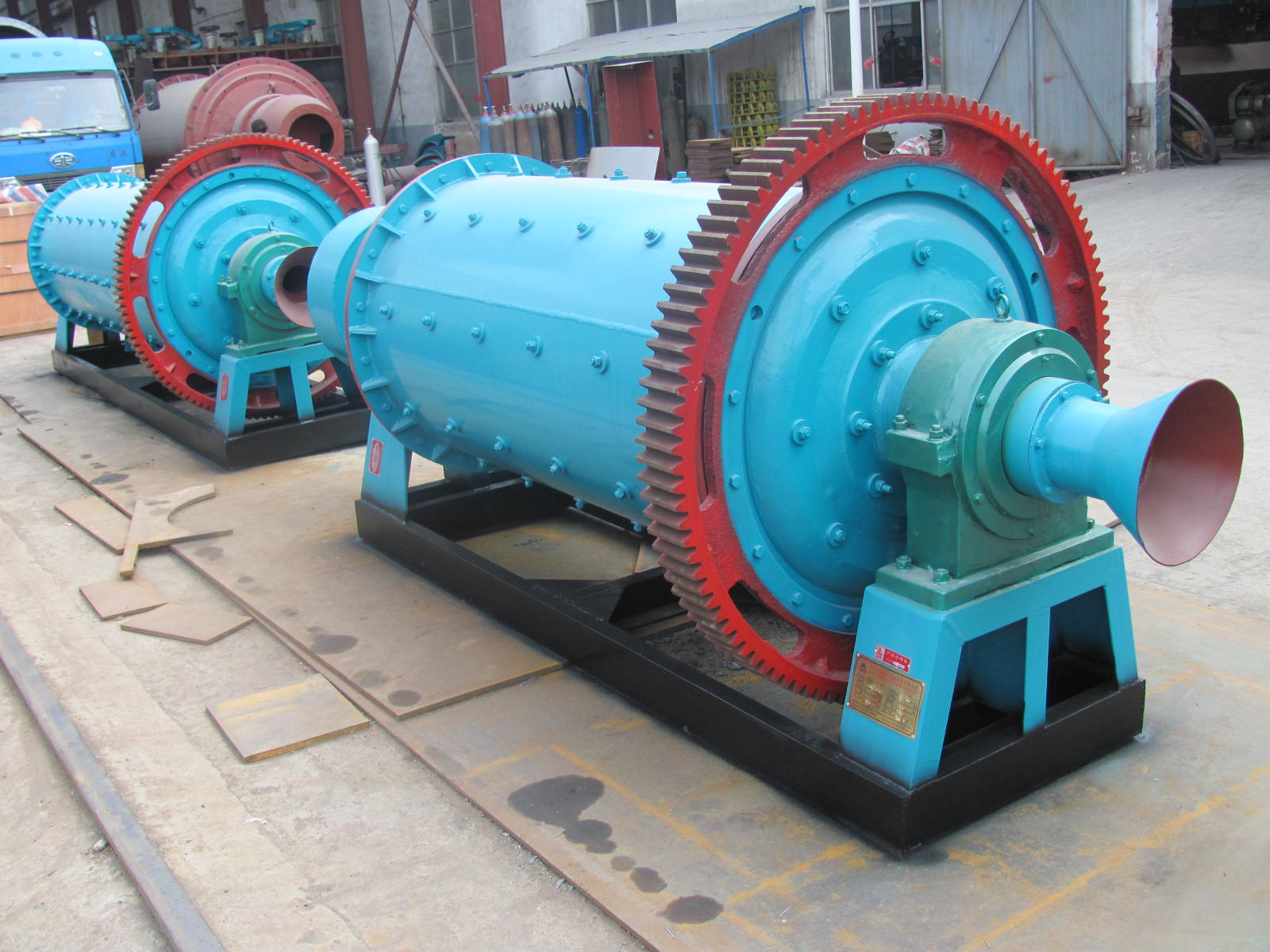
Key Operational Differences
While the ball mill is the classic workhorse for this process, its design inherently comes with certain limitations. It can be energy-intensive due to the need to rotate a heavy drum and its contents. Furthermore, achieving a very fine or ultra-fine powder can be challenging and inefficient with a standard ball mill, often requiring long processing times.
This is where modern, advanced milling technology offers a superior alternative. For operations requiring ultra-fine powders with higher efficiency and lower energy consumption, a specialized mill is the optimal choice.
A Superior Alternative for Ultra-Fine Grinding
For customers focused on producing high-quality ultra-fine powder, the traditional ball mill is often not the most efficient solution. Our MW Ultrafine Grinding Mill is engineered specifically to adress this need.
This advanced machine is designed with a unique grinding curve for its roller and ring, enhancing efficiency dramatically. Key advantages over a conventional ball mill include:
- Higher Yield, Lower Energy: Production capacity is twice as large as a ball grinding mill, while system energy consumption is significantly lower.
- Adjustable Fineness: Precisely control your product fineness between 325-2500 meshes, achieving a screening rate of d97≤5μm in a single pass.
- Eco-Friendly Operation: Equipped with an efficient pulse dust collector and muffler, the entire system minimizes dust and noise pollution.
- Worry-Free Maintenance: A key design feature is the absence of rolling bearings and screws in the grinding chamber, eliminating common failure points and allowing for external lubrication without shutdown.
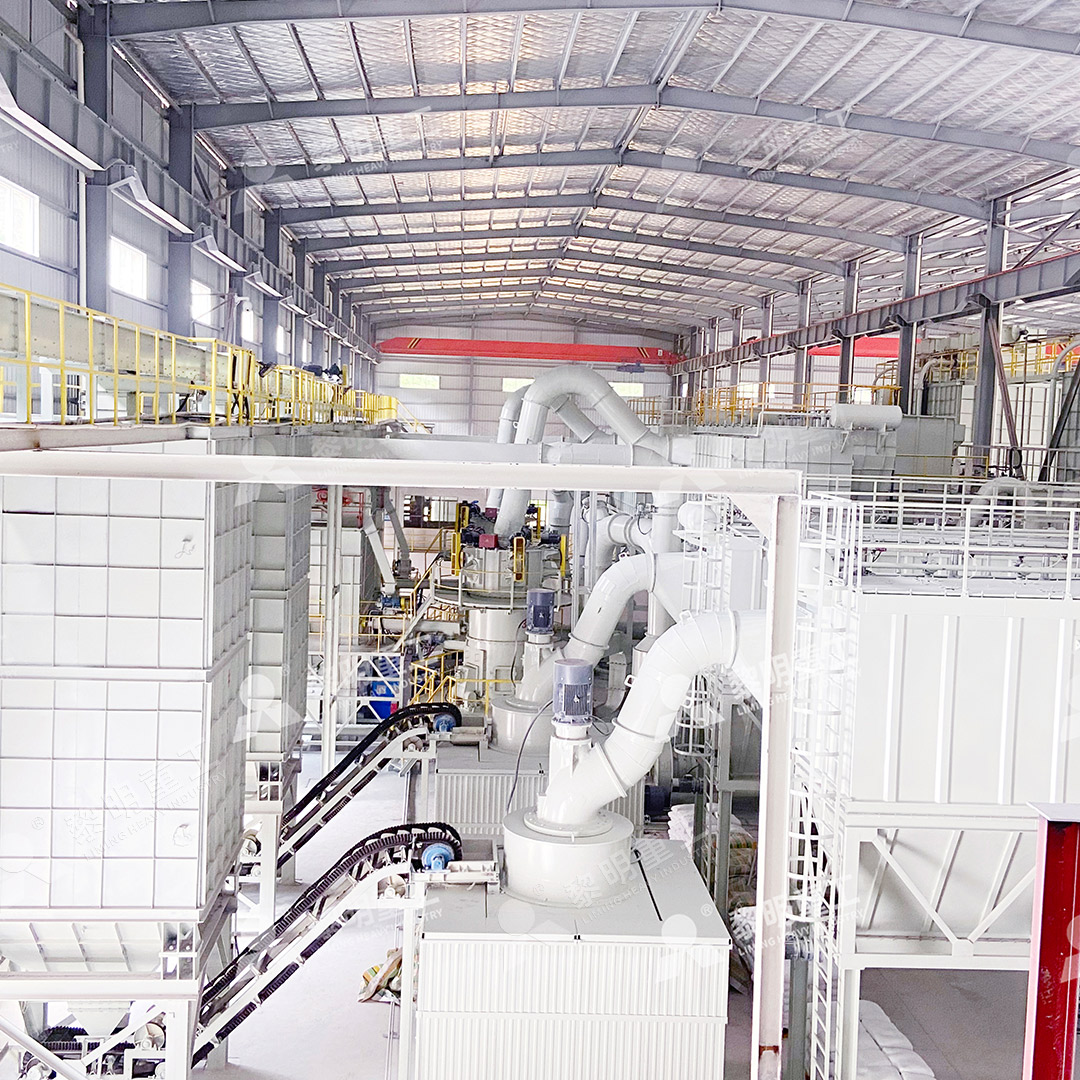
With an input size of 0-20 mm and a capacity range of 0.5-25 tph, the MW Mill is perfect for processing materials like limestone, calcite, dolomite, talc, and cosmetics additives, making it an ideal replacement for less efficient ball milling operations.
Another Option for Vertical Grinding Efficiency
Beyond the MW series, our LUM Ultrafine Vertical Grinding Mill presents another powerful option. Integrating grinding, grading, and transporting, the LUM mill offers higher yielding rates and better product quality. Its multi-head powder separating technology and reversible structure for easier maintenance make it a standout for operations seeking to move beyond the limitations of the traditional ball mill.

Conclusion: Choosing the Right Technology
In summary, “ball milling” is the process, and a “ball mill” is one machine that performs it. While reliable, the classic ball mill design is often outperformed by modern alternatives in terms of efficiency, fineness control, and operational cost.
For any operation looking to optimize their size reduction process, especially for ultra-fine applications, evaluating advanced solutions like our MW Ultrafine Grinding Mill or LUM Vertical Mill is a critical step towards greater productivity and a healthier bottom line.