
Difference Between Ball Milling and Ball Mill
We provide a wide range of mills — including Raymond mill, trapezoidal mill, vertical mill, ultrafine mill, and ball mill, obtained ISO9001 international quality certification, EU CE certification, and Customs Union CU-TR certification. Suitable for processing minerals such as limestone, phosphate, quicklime, kaolin, talc, barite, bentonite, calcium carbonate, dolomite, coal, gypsum, clay, carbon black, slag, cement raw materials, cement clinker, and more.
The discharge range of these mills can be adjusted to meet specific processing needs, typically from 80-400 mesh, 600-3250 mesh, and can achieve the finest particle size of up to 6000 mesh(D50).
If you are looking for a reliable grinding solution to turn stone or minerals into fine powder, please feel free to contact our online customer service.
Understanding the Core Concepts: Process vs. Machine
In the world of size reduction and powder processing, the terms “ball milling” and “ball mill” are often used, sometimes interchangeably, but they represent two distinct concepts. For professionals in industries like mining, construction, and chemicals, understanding this difference is crucial for selecting the right technology and optimizing operations.
What is a Ball Mill?
A Ball Mill is a piece of equipment, a machine. It’s a cylindrical device, typically horizontal, used for grinding (or mixing) materials like ores, chemicals, ceramic raw materials, and paints. The core components include a rotating shell filled with grinding media, usually balls made of steel, ceramic, or other durable materials.
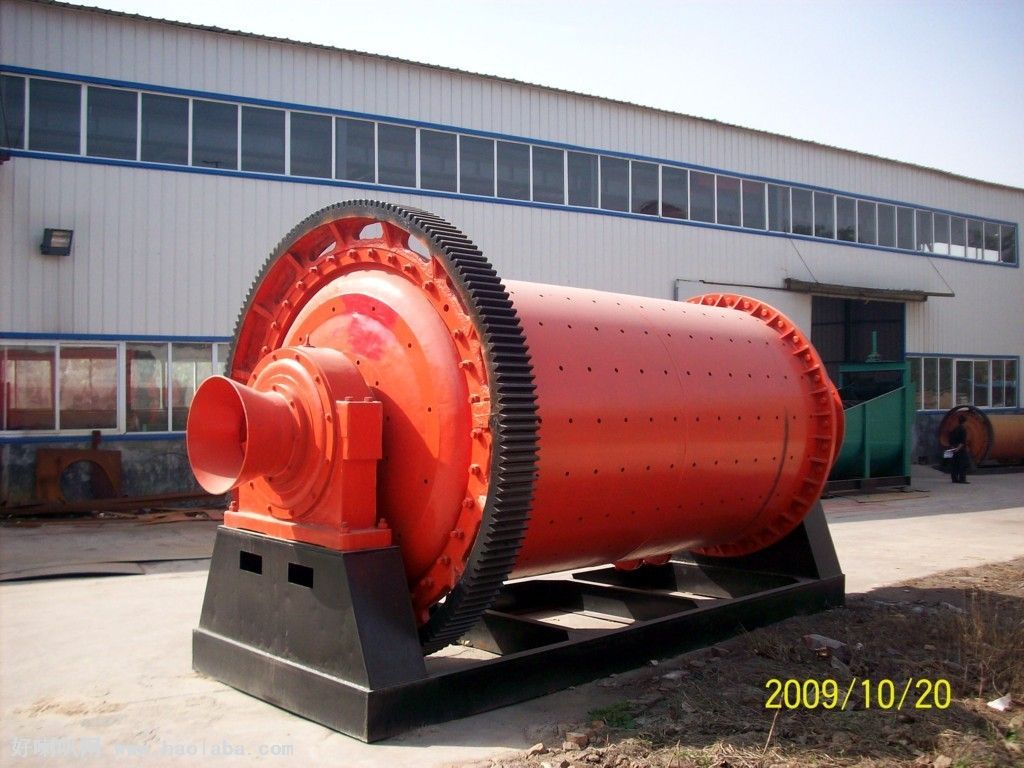
As the shell rotates, the balls are lifted and then cascade down, impacting the material and reducing its size through a combination of impact and abrasion forces. Ball mills are a classic, well-established technology known for their reliability and ability to handle a wide range of materials. Our standard Ball Mill offers lower investment costs and is suitable for milling various general and special ore materials with stable and reliable performance.
What is Ball Milling?
Ball Milling refers to the process itself—the mechanical technique of grinding, blending, or mixing materials using the principles of a ball mill. It describes the action that occurs within the machine. This term is often used in a more technical or scientific context, especially when discussing mechanochemistry, where the process can induce chemical reactions and structural changes in materials beyond simple size reduction.
Think of it this way: the ball mill is the oven, and ball milling is the baking. One is the tool, the other is the action performed by the tool.
Key Operational Differences and Modern Alternatives
While traditional ball mills are effective, they can have limitations in modern applications, such as higher energy consumption, larger footprint, and potential for over-grinding. This has led to the development of more advanced and efficient milling technologies.
Moving Beyond Traditional Technology
For customers who need to make ultra-fine powder efficiently, a traditional ball mill might not be the optimal solution. This is where advanced grinding mills like our MW Ultrafine Grinding Mill excel. Designed for ultra-fine powder production, it adresses many of the limitations of conventional ball milling.
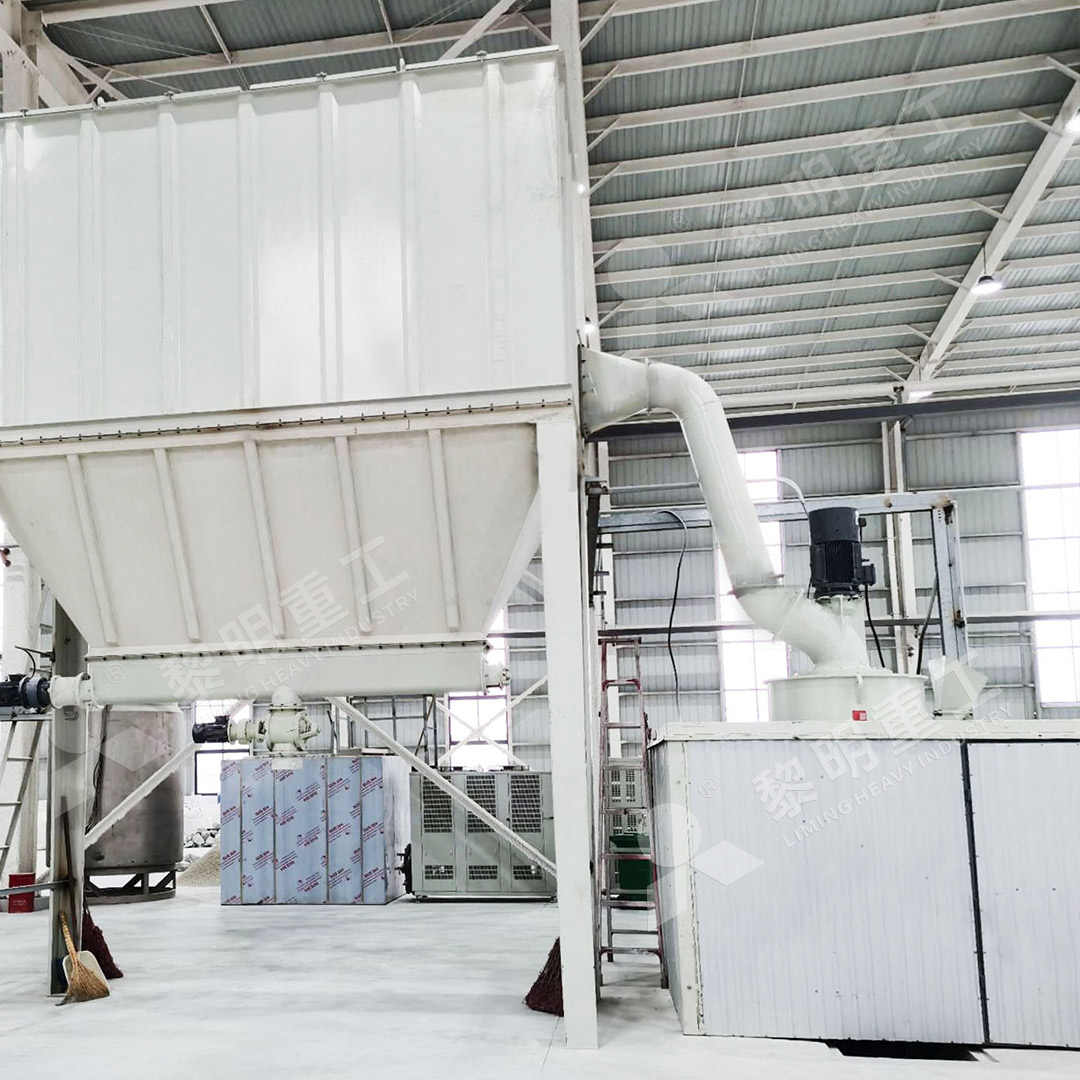
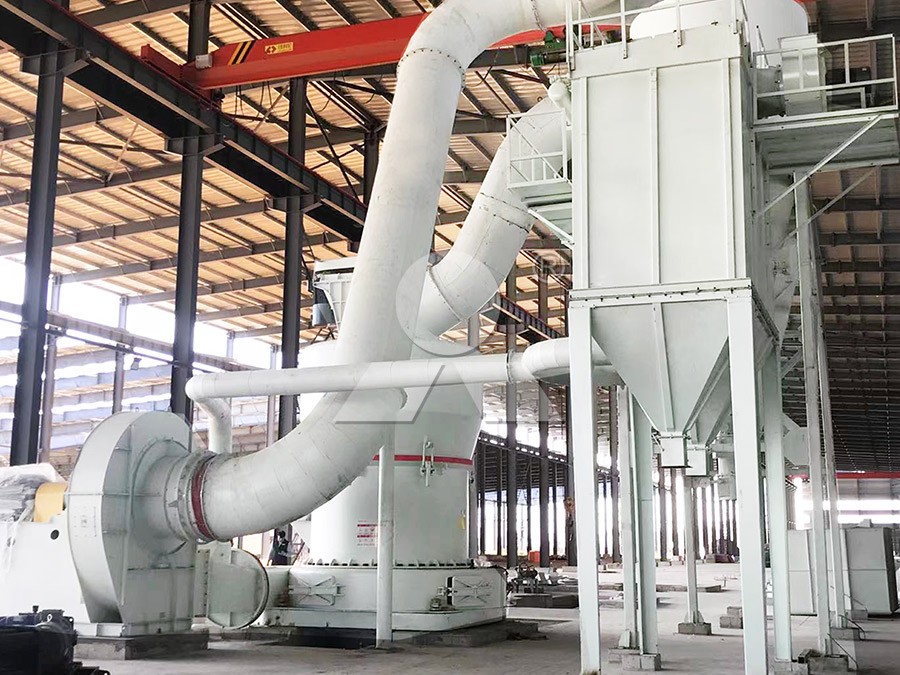
The MW series boasts significant advantages. It features Higher Yielding with Lower Energy Consumption – its production capacity is 40% higher than jet mills and twice as large as ball mills, while system energy consumption is only 30% of a jet mill. It achieves an adjustable fineness between 325-2500 meshes with high precision. A key design benefit is that there are no rolling bearings or screws in the grinding chamber, eliminating worries about bearing damage or machine failure from loose screws. Furthermore, its efficient pulse dust collector and muffler make the entire operation more eco-friendly, reducing dust and noise pollution significantly.
Choosing the Right Technology
The choice between a ball mill and a more modern system like the MW Ultrafine Grinding Mill depends on your specific needs:
- Material: Ball mills handle a wide variety, but for ultra-fine powders of limestone, calcite, dolomite, talc, etc., the MW mill is superior.
- Fineness: If you require precision fineness beyond 325 mesh, the MW’s advanced powder selector is a clear winner.
- Efficiency & Cost: For lower operational costs and higher output per energy unit, modern mills are designed for efficiency.
- Environment: If dust and noise control are priorities, the enclosed and filtered design of the MW mill is ideal.
Conclusion
In summary, “ball mill” names the machine, while “ball milling” describes the process it performs. While ball mills remain a viable workhorse for many coarse to medium grinding tasks, technological advancements have created highly efficient alternatives for fine and ultra-fine grinding applications. For operations focused on producing high-quality ultra-fine powders with greater efficiency, lower energy costs, and a smaller environmental footprint, exploring advanced solutions like our MW Ultrafine Grinding Mill is a strategic move that can enhance productivity and profitability.