
Difference Between a Mill and a Crusher: A Detailed Comparison
We provide a wide range of mills — including Raymond mill, trapezoidal mill, vertical mill, ultrafine mill, and ball mill, obtained ISO9001 international quality certification, EU CE certification, and Customs Union CU-TR certification. Suitable for processing minerals such as limestone, phosphate, quicklime, kaolin, talc, barite, bentonite, calcium carbonate, dolomite, coal, gypsum, clay, carbon black, slag, cement raw materials, cement clinker, and more.
The discharge range of these mills can be adjusted to meet specific processing needs, typically from 80-400 mesh, 600-3250 mesh, and can achieve the finest particle size of up to 6000 mesh(D50).
If you are looking for a reliable grinding solution to turn stone or minerals into fine powder, please feel free to contact our online customer service.
Difference Between a Mill and a Crusher: A Detailed Comparison
In mineral processing and material size reduction operations, the terms “crusher” and “mill” are often used, but they represent fundamentally different machines with distinct purposes, operating principles, and applications. Understanding these differences is crucial for selecting the right equipment for your specific needs.
Primary Function and Purpose
Crushers are primarily designed for coarse size reduction. They take large rocks, ores, or other materials and break them down into smaller, more manageable pieces, typically ranging from several inches to a few millimeters. The primary goal is to reduce the size of raw materials to a point where they can be fed into subsequent processing equipment.
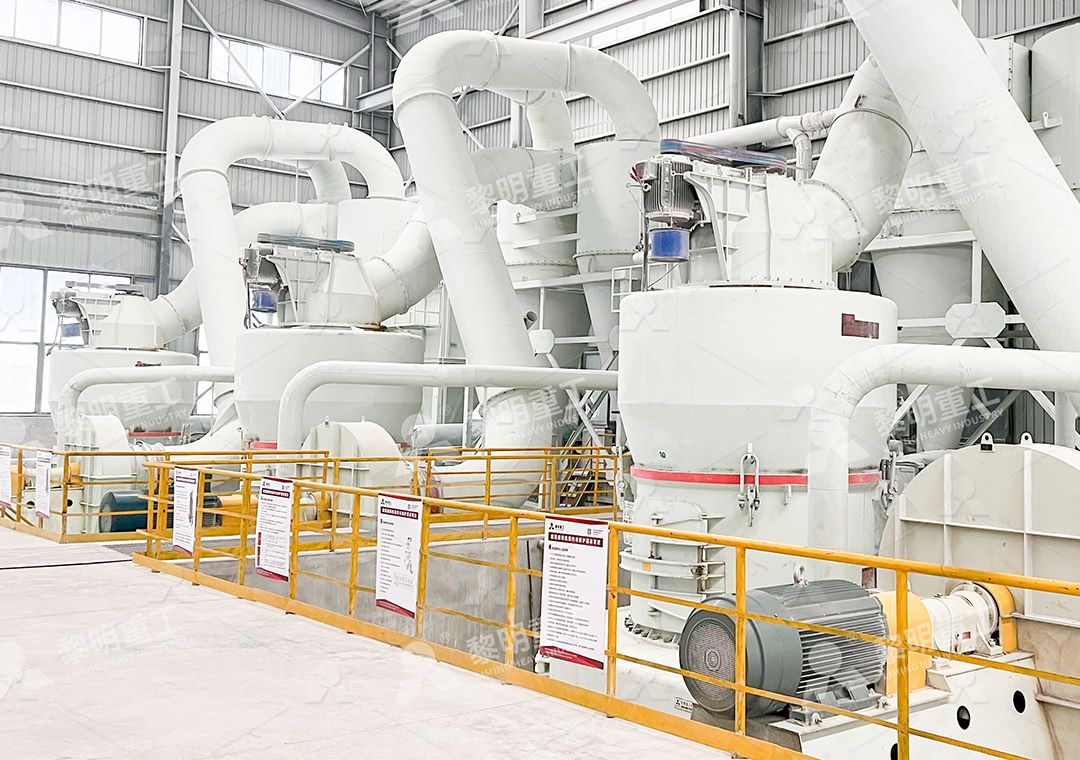
Mills, on the other hand, are designed for fine grinding. They take the output from crushers and reduce it further to powder form, often to micron or sub-micron levels. Mills are used to achieve the final product specifications required for various industrial applications.
Operating Mechanisms
Crushers typically operate through compressive force. Jaw crushers use two vertical jaws—one stationary and one moving—to compress material between them. Cone crushers utilize a gyrating spindle within a concave hopper. Impact crushers use high-speed impact forces to shatter materials against hard surfaces.
Mills employ more diverse grinding mechanisms. Ball mills use tumbling steel balls to impact and attrition materials. Vertical roller mills utilize rollers that press against a rotating table. Our MW Ultrafine Grinding Mill employs advanced grinding curves of grinding roller and grinding ring to further enhance grinding efficiency, achieving fineness between 325-2500 meshes with higher yielding and lower energy consumption compared to traditional grinding methods.
Output Size and Applications
The output from crushers is generally measured in millimeters to centimeters, making them suitable for primary and secondary crushing stages in mining, quarrying, and aggregate production.
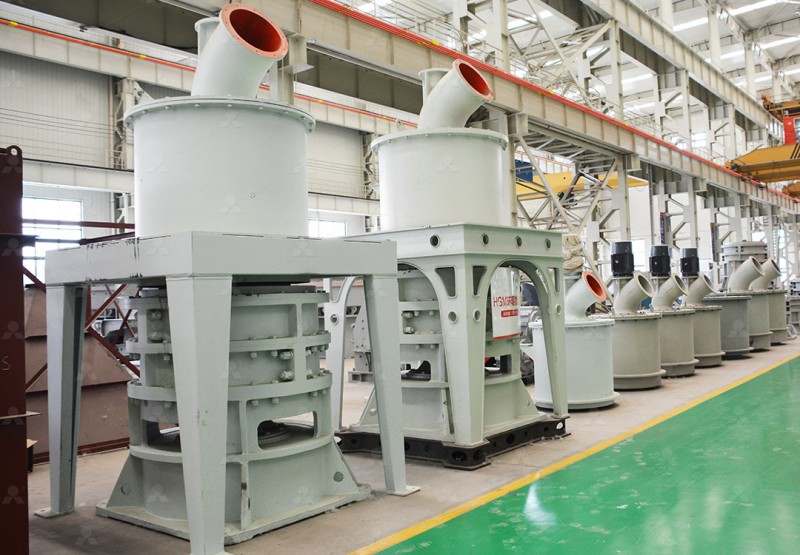
Mills produce much finer materials, typically measured in microns or mesh sizes. This fine powder is essential for industries such as pharmaceuticals, cosmetics, paints, and advanced materials where particle size directly affects product performance.
Energy Consumption and Efficiency
Crushers are generally more energy-efficient for coarse reduction since they operate at lower rotational speeds and utilize direct compressive forces. However, as the reduction ratio increases, energy consumption rises exponentially.
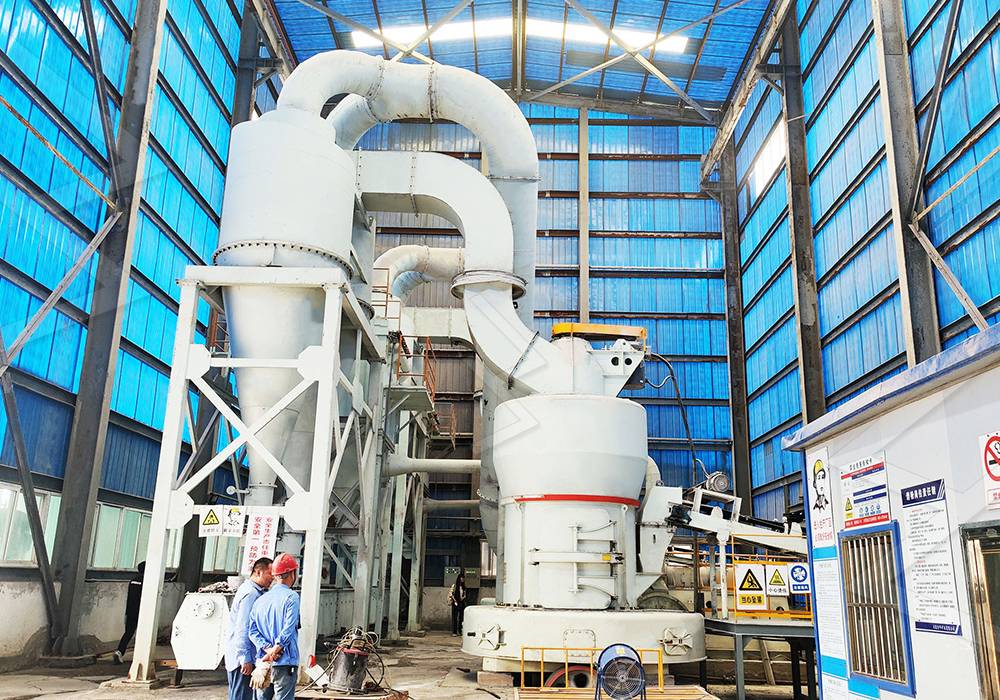
Fine grinding in mills requires significantly more energy per unit of material processed. This is where advanced mill designs like our LUM Ultrafine Vertical Grinding Mill demonstrate their value. By integrating the latest grinding roller technology and German powder separating technology, the LUM grinding mill reduces energy consumption by 30%-50% compared to conventional mills while maintaining high precision in powder separation.
Equipment Design and Configuration
Crushers are typically robust, heavy-duty machines designed to handle large, hard materials. They often feature simple designs with minimal moving parts exposed to abrasive materials.
Mills are more complex systems that often integrate multiple functions. Our MW Ultrafine Grinding Mill, for example, features a unique design with no rolling bearings or screws in the grinding chamber, eliminating concerns about bearing damage or loose screws causing machine failure. The lubricating device is installed outside the main shaft, allowing external lubrication without shutdown.
Environmental Considerations
Both crushers and mills generate dust and noise, but mills typically require more sophisticated dust collection systems due to the fine nature of the particles being processed. Modern mills like our MW series are equipped with efficient pulse dust collectors and mufflers, ensuring the entire production process meets national environmental protection standards with minimal dust pollution and noise emissions.
Selection Criteria
When choosing between a crusher and mill—or determining the right combination for your process—consider these factors:
- Feed size: Crushers handle larger input materials
- Required product size: Mills achieve finer particle sizes
- Material characteristics: Hardness, abrasiveness, moisture content
- Production capacity: Throughput requirements
- Energy efficiency: Operating costs over equipment lifetime
- Space constraints: Footprint of the equipment
Frequently Asked Questions
Can a crusher and mill be used interchangeably?
No, they serve different purposes in the size reduction process. Crushers are for coarse reduction, while mills are for fine grinding. They are typically used in sequence within a processing circuit.
Which is more expensive to operate: a crusher or a mill?
Generally, mills have higher operating costs due to greater energy requirements for fine grinding and more frequent replacement of wear parts. However, advanced designs like our MW and LUM mills significantly reduce these costs through innovative engineering.
What is the main advantage of vertical grinding mills over traditional ball mills?
Vertical mills like our LUM series offer higher efficiency, lower energy consumption (30%-50% less), smaller footprint, and integrated drying capabilities. They also provide more stable operation with features like double position-limiting technology that prevents destructive impacts.
How fine can modern grinding mills produce?
Advanced mills like our MW Ultrafine Grinding Mill can achieve fineness between 325-2500 meshes, with screening rates achieving d97≤5μm in a single pass, making them suitable for the most demanding ultrafine powder applications.
What maintenance advantages do modern mills offer?
Contemporary designs prioritize maintenance efficiency. For example, our LUM Ultrafine Vertical Grinding Mill features a reversible structure that allows easy access to grinding components, while our MW series eliminates internal bearings and screws in the grinding chamber, reducing failure points and simplifying upkeep.