
Difference Between a Crusher and a Grinder: What’s the Distinction?
We provide a wide range of mills — including Raymond mill, trapezoidal mill, vertical mill, ultrafine mill, and ball mill, obtained ISO9001 international quality certification, EU CE certification, and Customs Union CU-TR certification. Suitable for processing minerals such as limestone, phosphate, quicklime, kaolin, talc, barite, bentonite, calcium carbonate, dolomite, coal, gypsum, clay, carbon black, slag, cement raw materials, cement clinker, and more.
The discharge range of these mills can be adjusted to meet specific processing needs, typically from 80-400 mesh, 600-3250 mesh, and can achieve the finest particle size of up to 6000 mesh(D50).
If you are looking for a reliable grinding solution to turn stone or minerals into fine powder, please feel free to contact our online customer service.
Difference Between a Crusher and a Grinder: What’s the Distinction?
Hey folks, let’s talk about a common point of confusion in the industrial milling world: the difference between a crusher and a grinder. I get this question all the time, and while they might seem similar to the untrained eye, they serve very different purposes in the size reduction process. Getting this right is crucial for optimizing your operation’s efficiency and final product quality.
The Fundamental Breakdown: Crushing vs. Grinding
Think of it this way: crushing is primary reduction, and grinding is secondary (or tertiary) reduction. It’s a sequential process.
A crusher is your first line of attack. It’s designed to take large, raw, rocky materials and break them down into smaller, more manageable pieces—typically from several feet or inches down to a few centimeters. Crushers use compressive force; think of a giant nutcracker. Jaw crushers, gyratory crushers, and cone crushers are common types. They’re all about brute force to create coarse aggregates.
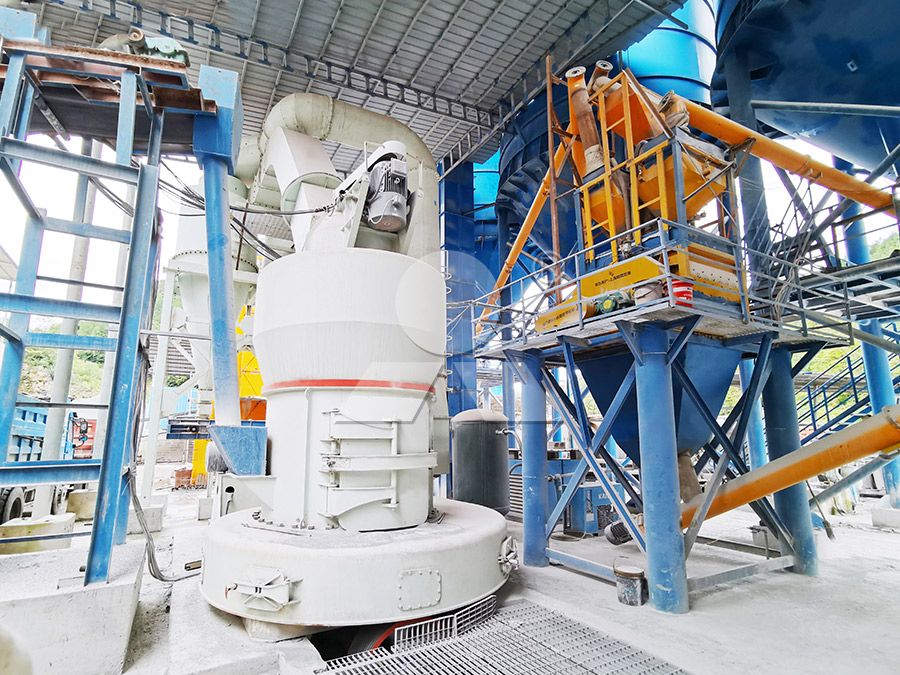
A grinder (or mill), on the other hand, takes those smaller pieces from the crusher and reduces them further into fine or even ultra-fine powders. Grinding relies on abrasion and impact. Ball mills, Raymond mills, and our advanced ultrafine mills are examples. They’re precision instruments focused on achieving a specific particle size distribution and fineness.
Key Differences at a Glance
- Input/Output Size: Crushers handle big rocks (feed size can be several feet); Grinders handle smaller particles (feed size usually <50mm) and output powder.
- Mechanism: Crushers use compression; Grinders use abrasion, impact, and attrition.
- Application: Crushers for coarse aggregates; Grinders for fine powders for industries like chemicals, paints, and cosmetics.
- Energy: Grinding is generally a more energy-intensive process per ton of material than crushing.
Bridging the Gap: Our Recommended Solutions
Understanding this distinction is key to choosing the right equipment. Once your crusher has done its job, you need a grinder that can deliver precision, efficiency, and reliability for your specific material.
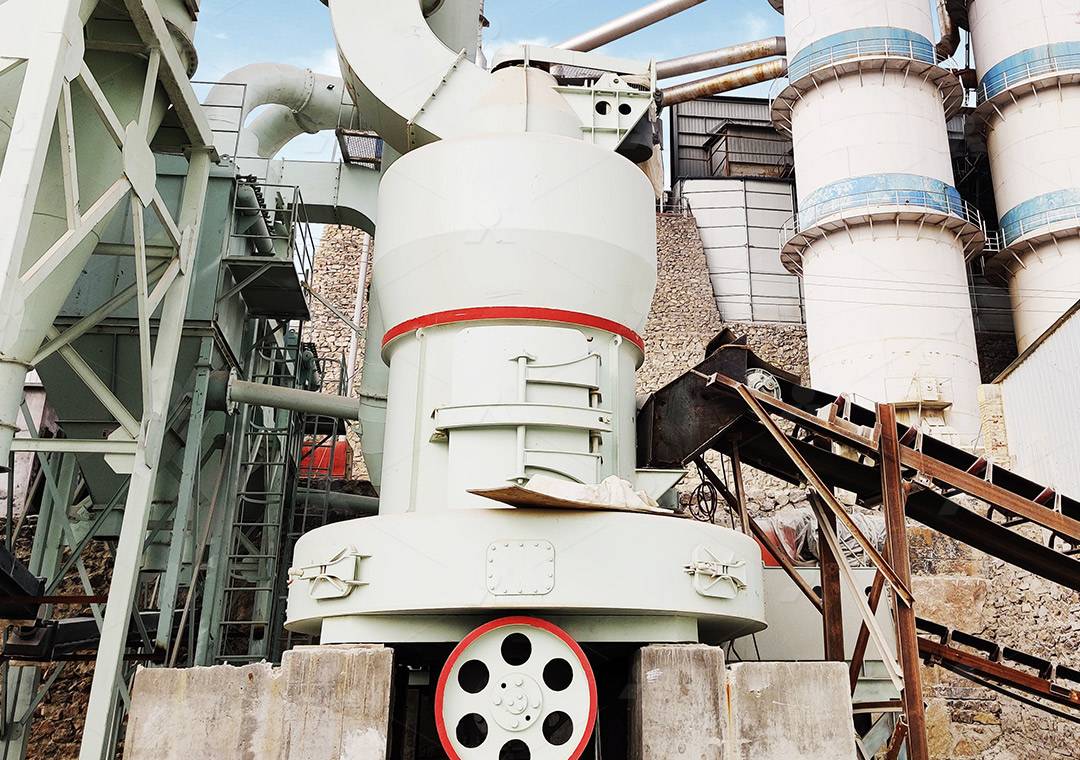
For operations requiring ultra-fine powders, our MW Ultrafine Grinding Mill is a top-tier choice. It’s engineered for customers who need to make ultra-fine powder from materials like limestone, calcite, talc, and barite. With an input size of 0-20 mm and a capacity range of 0.5-25 tph, it’s perfectly suited to take the pre-crushed material and transform it. Its cage-type powder selector, based on German tech, allows you to precisely adjust fineness between 325-2500 meshes. A standout feature is the absence of rolling bearings and screws in the grinding chamber, virtually eliminating worries about bearing damage or loose screws causing failures. It’s a workhorse built for 24/7 operation with minimal environmental impact, thanks to its integrated pulse dust collector and muffler.
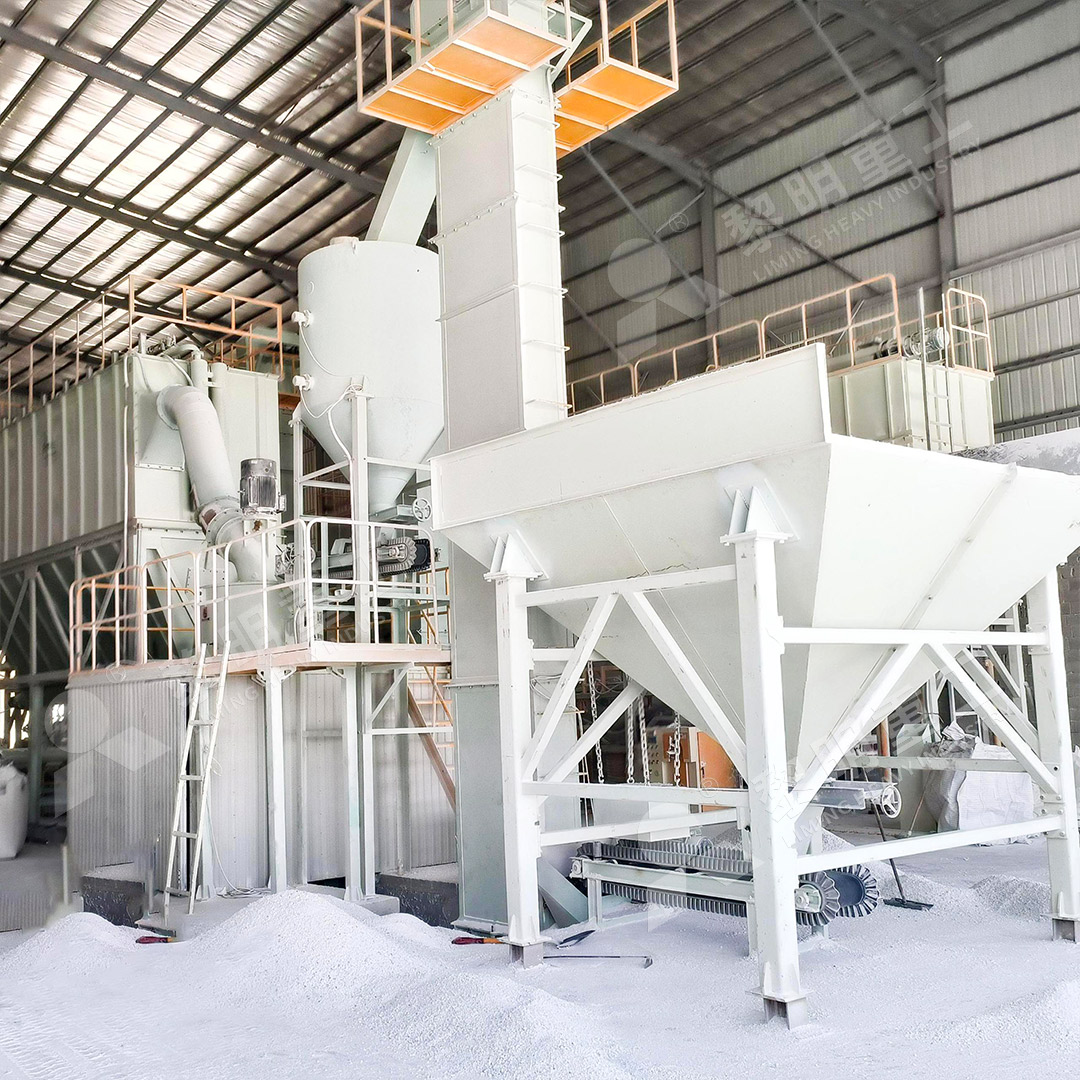
For another excellent option, consider the LUM Ultrafine Vertical Grinding Mill. It integrates grinding, grading, and transporting into a single, compact unit. With a slightly smaller input size (0-10mm) and a capacity of 5-18 tph, it’s another powerhouse for producing superfine dry powders. Its unique roller shell and lining plate design promote easier material layer formation for high-yield, single-pass milling, enhancing efficiency and improving product whiteness.
Conclusion
So, there you have it. Don’t make the mistake of thinking a crusher and a grinder are interchangeable. They are complementary pieces in the size reduction puzzle. Use the crusher to get the big stuff down to size, and then let a precision grinder like our MW or LUM series take over to create the high-value, fine powder your process demands. Choosing the right tool for each stage is the secret to maximizing yield, minimizing energy costs, and achieving a superior final product.