
Diabase Trapezium Grinding Mill for Efficient Mineral Processing
We provide a wide range of mills — including Raymond mill, trapezoidal mill, vertical mill, ultrafine mill, and ball mill, obtained ISO9001 international quality certification, EU CE certification, and Customs Union CU-TR certification. Suitable for processing minerals such as limestone, phosphate, quicklime, kaolin, talc, barite, bentonite, calcium carbonate, dolomite, coal, gypsum, clay, carbon black, slag, cement raw materials, cement clinker, and more.
The discharge range of these mills can be adjusted to meet specific processing needs, typically from 80-400 mesh, 600-3250 mesh, and can achieve the finest particle size of up to 6000 mesh(D50).
If you are looking for a reliable grinding solution to turn stone or minerals into fine powder, please feel free to contact our online customer service.
Diabase Trapezium Grinding Mill for Efficient Mineral Processing
In the demanding field of mineral processing, efficiency and reliability are paramount. Diabase, a hard, dark-colored igneous rock, presents particular challenges due to its abrasive nature and varied composition. Successfully processing this material into fine powders requires robust, technologically advanced milling equipment capable of delivering consistent performance while minimizing operational costs. The evolution of grinding technology has led to the development of specialized mills that optimize every aspect of the comminution process.
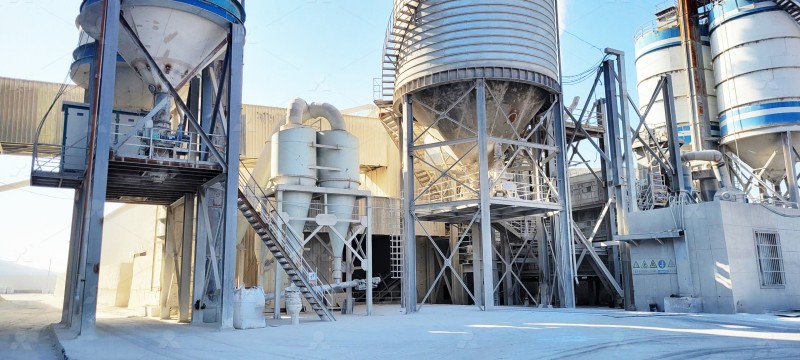
Traditional grinding approaches often struggle with the hardness and abrasiveness of diabase, leading to excessive wear on components, high energy consumption, and inconsistent product quality. Modern trapezium grinding mills address these challenges through innovative engineering solutions that enhance grinding efficiency, reduce maintenance requirements, and improve final product characteristics. These advancements represent a significant leap forward in mineral processing technology.
The Engineering Behind Efficient Diabase Processing
Processing diabase effectively requires understanding its unique material properties. With Mohs hardness typically ranging from 6 to 7 and containing various mineral components including plagioclase feldspar, pyroxene, and occasionally olivine, diabase demands milling equipment with exceptional durability and precision. Modern trapezium mills incorporate several key technological innovations to meet these demands.
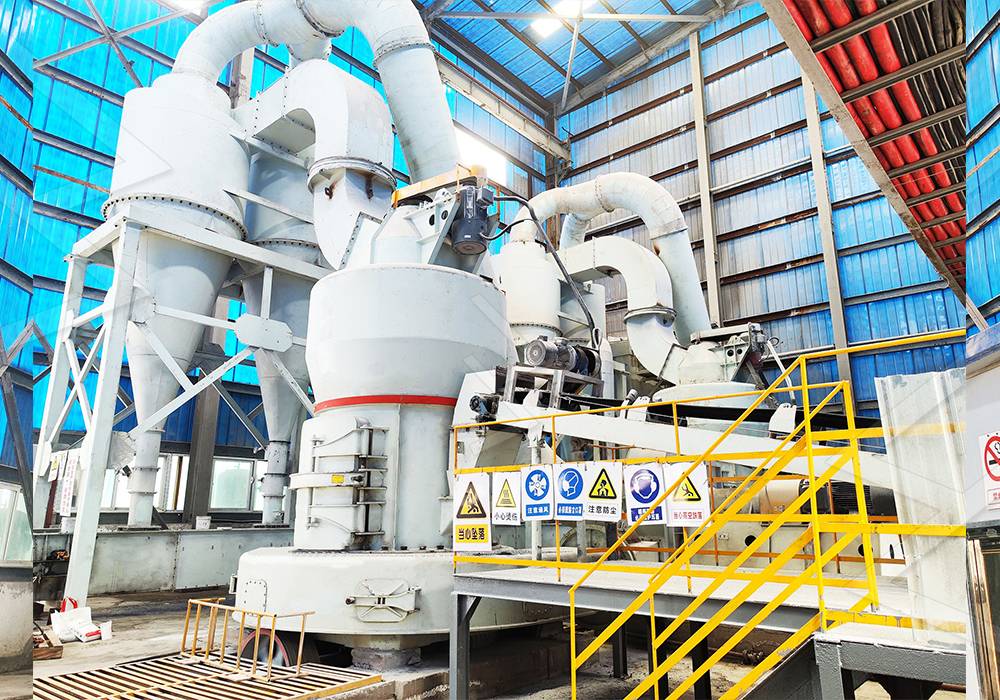
The grinding mechanism in advanced trapezium mills utilizes multiple grinding rollers that operate against a grinding ring, creating a unique motion pattern that maximizes contact area while minimizing energy expenditure. This design significantly improves grinding efficiency compared to conventional ball mills or Raymond mills. The trapezium working surface ensures optimal material distribution and residence time within the grinding chamber, resulting in more uniform particle size distribution.
Advanced Features for Superior Performance
Contemporary trapezium grinding mills incorporate numerous features specifically designed to enhance diabase processing. Elastic damping structures effectively absorb operational vibrations, protecting critical components and ensuring stable, continuous operation. Advanced powder separation systems utilizing cage-type selectors provide precise control over final product fineness, with capabilities ranging from coarse aggregates to ultra-fine powders.
Lubrication systems have evolved significantly, with many modern mills employing dilute oil lubrication technology that eliminates frequent maintenance intervals while providing superior protection to grinding components. The elimination of shovel blade cylinders in some designs increases ventilation area and reduces air-conveying resistance, further enhancing energy efficiency. These technological advancements collectively contribute to operational reliability and cost-effectiveness in diabase processing applications.
Environmental Considerations and Operational Safety
Modern mineral processing operations must address environmental concerns while maintaining productivity. Advanced trapezium grinding mills integrate comprehensive dust collection systems that capture particulate matter effectively, ensuring compliance with stringent environmental regulations. Negative pressure operation prevents dust escape, while integrated silencers and noise reduction technologies maintain workplace noise at acceptable levels.
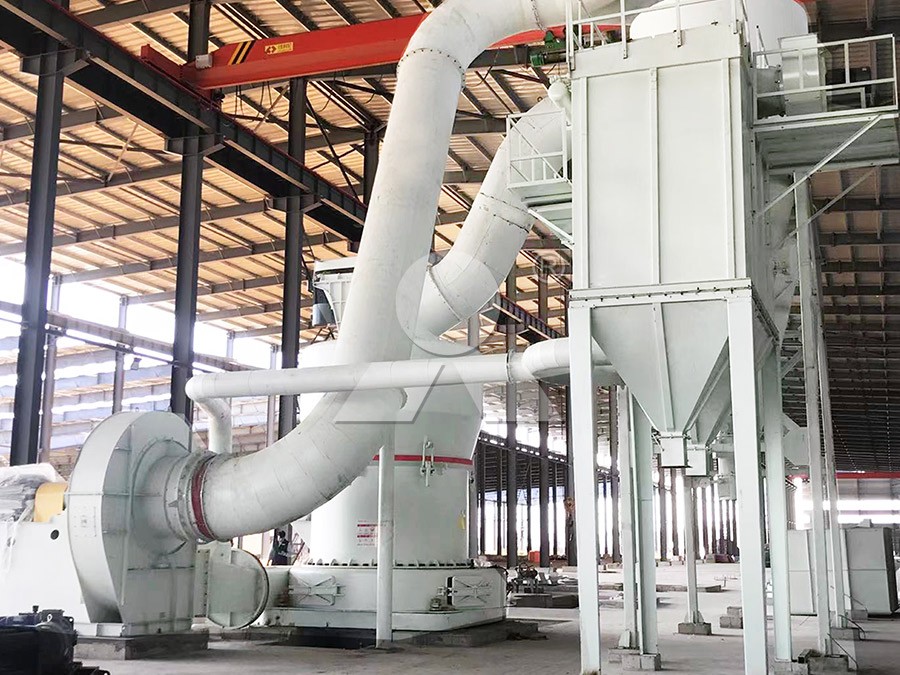
Automation plays an increasingly important role in modern grinding operations. PLC-based control systems enable precise adjustment of operational parameters including grinding pressure, rotational speed, and feed rates. These systems facilitate remote monitoring and operation while providing real-time data for process optimization. The result is consistent product quality with minimal operator intervention.
Selecting the Optimal Grinding Solution
When processing challenging materials like diabase, equipment selection critically impacts operational efficiency and profitability. For operations requiring ultra-fine powders with precise particle size distribution, the MW Ultrafine Grinding Mill represents an excellent solution. With an input size capacity of 0-20 mm and throughput ranging from 0.5 to 25 tons per hour, this machine is specifically engineered for customers requiring ultra-fine powder production.
The MW Ultrafine Grinding Mill incorporates several proprietary technologies that make it particularly suitable for diabase processing. Its newly designed grinding curves for rollers and rings enhance grinding efficiency significantly, delivering production capacity 40% higher than jet grinding mills and stirred grinding mills under equivalent power consumption. The adjustable fineness range of 325-2500 meshes, achieved through German-developed cage-type powder selector technology, provides exceptional flexibility for various application requirements.
Notably, the grinding chamber design eliminates rolling bearings and screws, preventing common failure points and ensuring continuous operation. The integrated pulse dust collector and muffler system maintains environmentally friendly operation while reducing noise pollution. For operations requiring different specifications, the MTW European Trapezium Grinding Mill offers complementary capabilities with its advanced bevel gear drive system and unique pneumatic sealing device that eliminates coarse powder spillage.
Maximizing Return on Investment
The economic benefits of advanced trapezium grinding mills extend beyond initial purchase price. Reduced energy consumption, lower maintenance requirements, and extended component life significantly decrease operating costs over the equipment lifecycle. The modular design of modern mills facilitates quick replacement of wear parts, minimizing downtime during maintenance operations.
Digital manufacturing techniques ensure high precision in core components, contributing to operational reliability and consistent performance. Comprehensive technical support and genuine spare parts availability further enhance operational continuity, ensuring that production targets are consistently met. These factors collectively deliver superior return on investment compared to conventional grinding technologies.
Future Directions in Diabase Processing
As mineral processing technology continues to evolve, trapezium grinding mills are incorporating increasingly sophisticated features. Developments in material science are producing more wear-resistant alloys for grinding components, while advances in control systems are enabling more precise process optimization. The integration of IoT technologies facilitates predictive maintenance and remote operational monitoring, further enhancing equipment reliability and performance.
The ongoing refinement of trapezium grinding technology promises continued improvements in energy efficiency, operational flexibility, and product quality. For operations processing challenging materials like diabase, these advancements translate to enhanced competitiveness and sustainable operational practices.
Frequently Asked Questions
What makes trapezium grinding mills particularly suitable for processing hard materials like diabase?
Trapezium grinding mills incorporate multiple grinding rollers operating against a grinding ring with a unique motion pattern that distributes grinding force more evenly. This design, combined with wear-resistant materials in critical components, makes them exceptionally capable of handling hard, abrasive materials like diabase while maintaining efficiency and extending service life.
How does the fineness adjustment mechanism work in modern trapezium mills?
Advanced trapezium mills utilize cage-type powder selectors with precision adjustment capabilities. By controlling the rotational speed of the selector and adjusting classifier settings, operators can precisely determine the cut point for particle separation, enabling production of powders with specific fineness requirements ranging from coarse to ultra-fine specifications.
What maintenance requirements should be anticipated when operating a trapezium grinding mill for diabase processing?
While trapezium mills are designed for minimal maintenance, regular inspection of grinding rollers, rings, and classifier components is recommended. Modern designs incorporating dilute oil lubrication systems reduce lubrication frequency requirements. Most mills feature hydraulic systems that facilitate easy roller removal for inspection and replacement, significantly reducing maintenance downtime.
How significant are the energy savings with advanced trapezium mills compared to traditional ball mills?
Energy savings are substantial, typically ranging from 30% to 50% compared to traditional ball mills. This efficiency results from optimized grinding mechanics, reduced ventilation resistance, and advanced drive systems that minimize power losses throughout the operation.
Can trapezium grinding mills handle variations in feed material size and hardness?
Yes, modern trapezium mills are engineered to accommodate reasonable variations in feed characteristics. Advanced control systems automatically adjust operational parameters to maintain consistent product quality despite fluctuations in feed material properties. However, optimal performance is achieved when feed size remains within specified limits.
What environmental protection features are incorporated into modern trapezium grinding mills?
Contemporary designs include integrated pulse jet dust collectors that capture over 99.9% of particulate matter, silencers that reduce operational noise, and completely enclosed systems that operate under negative pressure to prevent dust escape. These features ensure compliance with increasingly stringent environmental regulations.
How does the operational cost of trapezium grinding compare to other milling technologies for diabase processing?
Trapezium grinding typically offers lower operational costs due to higher energy efficiency, reduced wear part consumption, and lower maintenance requirements. The total cost of ownership is generally favorable compared to alternative technologies, particularly when processing hard, abrasive materials like diabase.