
Development of Efficient and Intelligent Limestone Powder Grinding Equipment
We provide a wide range of mills — including Raymond mill, trapezoidal mill, vertical mill, ultrafine mill, and ball mill, obtained ISO9001 international quality certification, EU CE certification, and Customs Union CU-TR certification. Suitable for processing minerals such as limestone, phosphate, quicklime, kaolin, talc, barite, bentonite, calcium carbonate, dolomite, coal, gypsum, clay, carbon black, slag, cement raw materials, cement clinker, and more.
The discharge range of these mills can be adjusted to meet specific processing needs, typically from 80-400 mesh, 600-3250 mesh, and can achieve the finest particle size of up to 6000 mesh(D50).
If you are looking for a reliable grinding solution to turn stone or minerals into fine powder, please feel free to contact our online customer service.
Development of Efficient and Intelligent Limestone Powder Grinding Equipment
The industrial demand for high-quality limestone powder has surged across various sectors, including construction, chemicals, and agriculture. This growth necessitates advanced grinding technologies that deliver superior efficiency, precision, and environmental compliance. The evolution of grinding equipment has shifted from basic mechanical crushers to sophisticated, intelligent systems that optimize every stage of the powder production process.
The Shift Towards Ultrafine and Intelligent Grinding
Traditional grinding methods, such as ball mills, often struggle with high energy consumption, broad particle size distribution, and significant environmental impact. The modern approach focuses on achieving a fine, consistent powder (often in the range of 325 to 2500 meshes) with minimal energy waste. This is where intelligent design and advanced control systems come into play. Modern mills integrate features like automated pressure adjustment, real-time fineness monitoring, and predictive maintenance alerts, transforming raw limestone into a valuable, specification-perfect product.
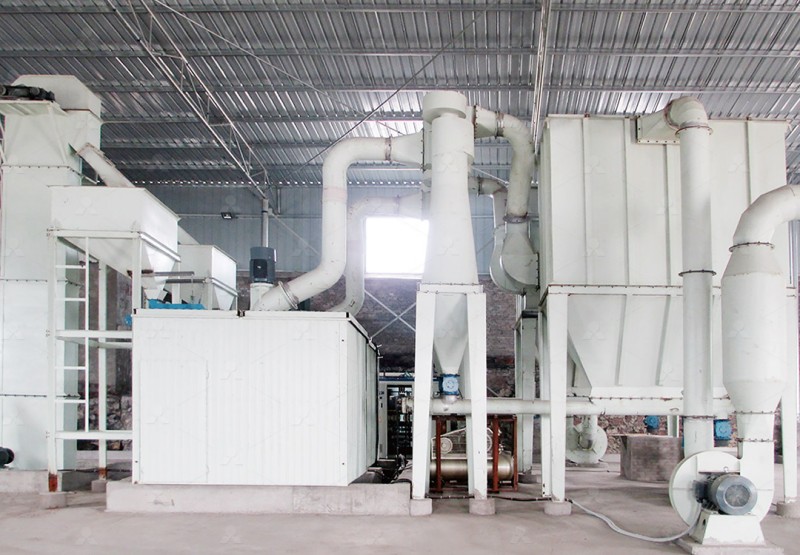
A standout solution in this category is our MW Ultrafine Grinding Mill. Engineered for customers requiring ultra-fine powder, this mill is a testament to intelligent design. It boasts a capacity of 0.5-25 tph and can handle an input size of 0-20 mm. Its newly designed grinding curves for the roller and ring enhance efficiency, yielding up to 40% higher production capacity compared to jet mills while consuming only 30% of the energy. The integrated cage-type powder selector, utilizing German technology, allows precise fineness adjustment between 325-2500 meshes. Furthermore, its eco-friendly operation is ensured by an efficient pulse dust collector and muffler, making it an ideal choice for modern, environmentally conscious production facilities.
Key Technological Advancements
Several core innovations define the latest generation of limestone grinding equipment:
- Precision Grinding Mechanics: Advanced curves for grinding rollers and rings create a more efficient grinding bed, reducing specific energy consumption.
- Intelligent Powder Classification: Multi-head cage-type selectors and PLC-controlled systems enable precise cut-point control and fast adaptation to different product requirements.
- Eco-Friendly Operation: Closed-system designs with high-efficiency pulse jet dust collectors ensure no dust spillage, while noise reduction technologies keep operations within strict environmental standards.
- Reliability and Ease of Maintenance: Designs that eliminate rolling bearings and screws from the grinding chamber, coupled with external lubrication systems, allow for 24/7 operation with minimal downtime.
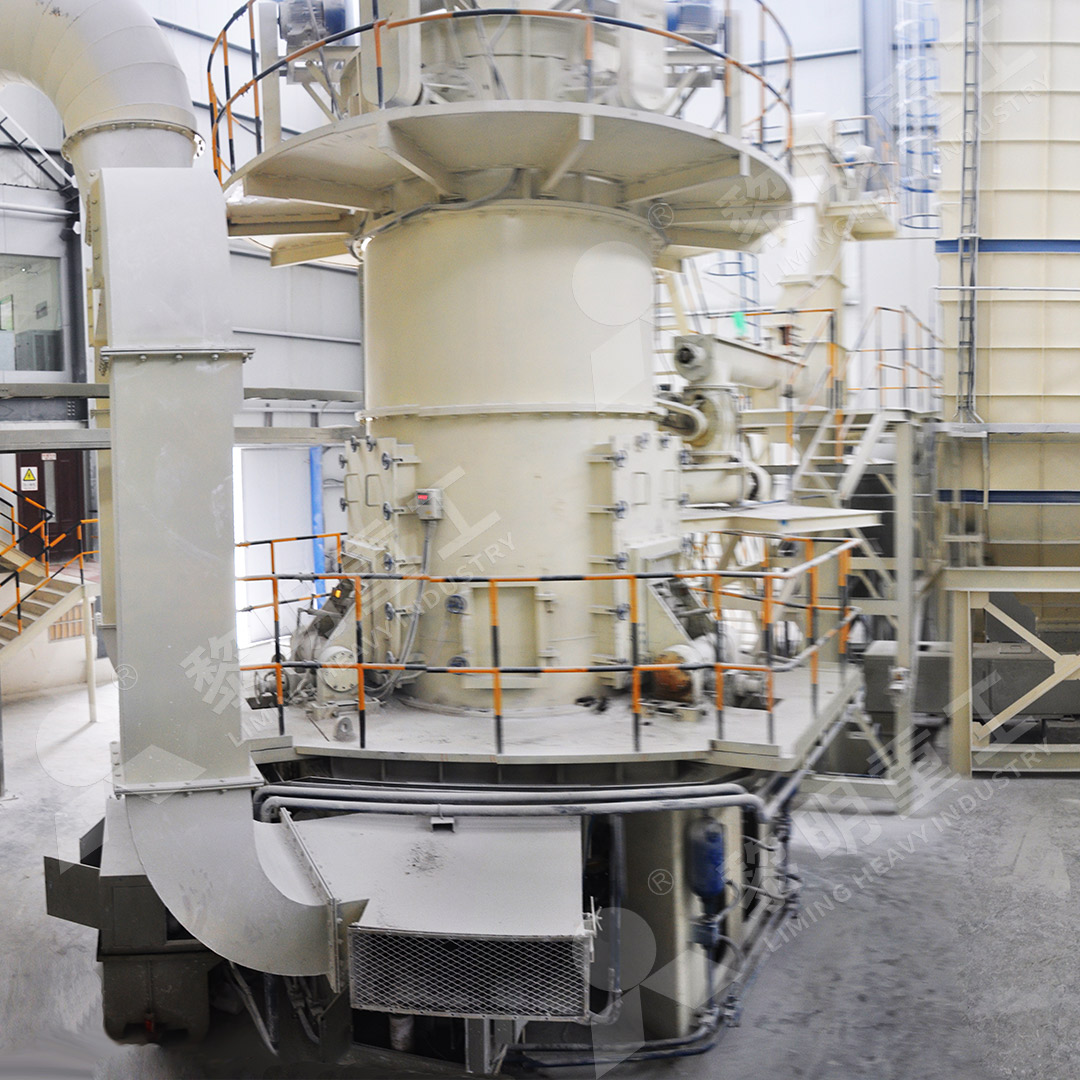
For operations requiring even higher levels of automation and stability, the LUM Ultrafine Vertical Grinding Mill presents an excellent alternative. With an input size of 0-10 mm and a capacity of 5-18 tph, the LUM mill incorporates the latest grinding roller technology from Taiwan and German powder separating technology. Its unique roller shell and lining plate grinding curve facilitate easy material layer formation, enabling high rates of finished product in a single pass. A key intelligent feature is its double position-limiting technology, which uses electronic and mechanical safeguards to prevent destructive impacts from machine vibration, guaranteeing exceptional operational stability. The reversible structure also simplifies maintenance, allowing grinding rollers to be easily moved out for inspection.
The Future is Smart and Sustainable
The trajectory for limestone powder grinding equipment is clear: a continued integration of digitalization, automation, and sustainability. The use of numerical control in manufacturing core parts ensures high precision and consistency. Remote monitoring and control systems allow for centralized management of grinding parameters, leading to optimized performance and reduced labor costs. The ultimate goal is to achieve a fully autonomous grinding process that maximizes yield and quality while minimizing its carbon footprint.
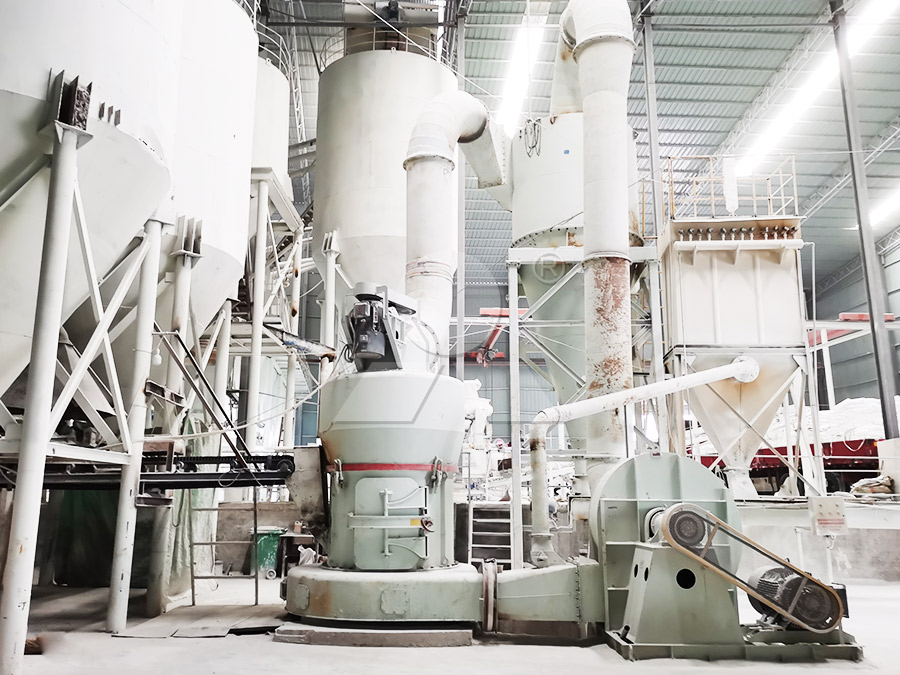
In conclusion, the development of efficient and intelligent limestone grinding equipment is pivotal to meeting the demands of modern industry. By leveraging advanced technologies that prioritize energy savings, product quality, and environmental protection, producers can significantly enhance their competitiveness.
Frequently Asked Questions (FAQ)
What fineness can be achieved with modern limestone grinding mills?
Advanced mills like the MW Series can produce limestone powder with a fineness ranging from 325 to 2500 meshes (approximately 5-45 microns), with some capable of achieving d97 ≤ 5μm.
How do intelligent mills reduce energy consumption?
They employ several strategies: optimized grinding curves for higher efficiency, intelligent classifiers that reduce recirculation load, and PLC systems that automatically adjust parameters like grinding pressure and fan speed for optimal power usage, often cutting consumption by 30-50% compared to traditional ball mills.
What measures are taken for environmental protection?
Modern mills are designed as closed systems equipped with high-efficiency pulse jet dust collectors to eliminate dust pollution. They also feature silencers and noise reduction rooms to minimize acoustic impact, ensuring compliance with national environmental standards.
Are these mills suitable for 24/7 continuous operation?
Yes, models like the MW Ultrafine Grinding Mill are built for continuous operation. Features such as external lubrication systems that allow for oiling without shutdown and the absence of vulnerable components like rolling bearings in the grinding chamber contribute to high reliability and minimal planned downtime.