
Detailed Explanation of Safe Operation Procedures for Medium-Speed Coal Mills
We provide a wide range of mills — including Raymond mill, trapezoidal mill, vertical mill, ultrafine mill, and ball mill, obtained ISO9001 international quality certification, EU CE certification, and Customs Union CU-TR certification. Suitable for processing minerals such as limestone, phosphate, quicklime, kaolin, talc, barite, bentonite, calcium carbonate, dolomite, coal, gypsum, clay, carbon black, slag, cement raw materials, cement clinker, and more.
The discharge range of these mills can be adjusted to meet specific processing needs, typically from 80-400 mesh, 600-3250 mesh, and can achieve the finest particle size of up to 6000 mesh(D50).
If you are looking for a reliable grinding solution to turn stone or minerals into fine powder, please feel free to contact our online customer service.
Detailed Explanation of Safe Operation Procedures for Medium-Speed Coal Mills
Medium-speed coal mills are critical components in power generation and industrial processing plants, responsible for pulverizing raw coal into fine powder for efficient combustion. Ensuring their safe operation is paramount to plant safety, equipment longevity, and process efficiency. This guide outlines the essential safe operation procedures, drawing from industry best practices and the advanced engineering of modern milling solutions.
1. Pre-Startup Checks and Preparations
Before initiating the mill, a thorogh inspection must be conducted. This is the first and most crucial line of defense against operational failures.
- Visual Inspection: Check for any visible damage, leaks, or loose components. Ensure all access doors are securely closed.
- Lubrication System: Verify oil levels in the main reducer and lubrication stations. Check for proper oil quality and ensure there are no leaks in the hydraulic system.
- Grinding Elements: Inspect grinding rollers and the grinding table for excessive wear or damage. Ensure the gap settings are correct.
- Foreign Material: Ensure the grinding chamber is free of foreign objects like tools or debris that could cause severe damage upon startup.
- Safety Devices: Confirm that all safety guards, emergency stop buttons, and limit switches are functional and in place.

2. Startup Sequence
A controlled and sequential startup is vital to avoid mechanical stress and ensure system stability.
- Start the auxiliary systems first, including the lubrication system and the hydraulic system. Allow them to run for a sufficient time to ensure all bearings and moving parts are properly lubricated.
- Engage the main exhaust fan to establish airflow through the mill. This prevents coal dust accumulation, which is a significant fire and explosion hazard.
- Start the coal feeder, beginning with a low feed rate. Never start a mill with a full charge of raw coal; it must be started empty or with a minimal load.
- Finally, start the main mill motor. Monitor the motor current closely; a high current reading could indicate an obstruction or improper loading.
3. Normal Operation Monitoring
Constant vigilance during operation is non-negotiable. Key parameters must be monitored continuously via the control system and periodic manual checks.
- Temperature Monitoring: Closely monitor the temperature of the outgoing coal-air mixture. A sudden spike can indicate the beginning of a mill fire. Bearing temperatures must also be watched closely.
- Differential Pressure: The pressure drop across the mill indicates the level of coal inventory inside. An abnormal pressure drop can signal a blockage or insufficient grinding.
- Motor Current: The main motor amperage is a direct indicator of mill load. Fluctuations can point to feeder issues or changes in coal hardness.
- Vibration Levels: Excessive vibration is often the first sign of mechanical failure, such as imbalanced rollers or bearing issues. Automatic vibration sensors should trigger an alarm or shutdown at predefined thresholds.
- Noise: Unusual noises (e.g., grinding, scraping) are immediate cause for investigation and potential shutdown.
4. Shutdown and Emergency Procedures
A proper shutdown sequence ensures the mill is left in a safe state. Emergency procedures must be second nature to operators.
Normal Shutdown:
- Stop the raw coal feeder first.
- Continue running the mill to grind out and evacuate the remaining coal inventory. This is critical to prevent coal from settling and self-igniting.
- Once the mill is empty (indicated by low motor current and stable temperatures), stop the main mill motor.
- Keep the exhaust fan running for a sufficient period (e.g., 10-15 minutes) to purge any remaining coal dust from the system.
- Finally, stop the auxiliary systems.
Emergency Shutdown: In case of a fire, severe vibration, or high bearing temperature, hit the emergency stop button immediately. This will halt all equipment. The fire suppression system for the mill should engage automatically or be activated manually.
5. Maintenance and Housekeeping: The Foundation of Safety
Preventive maintenance is the key to avoiding unplanned downtime and hazardous situations. Strict housekeeping prevents coal dust explosions.
- Follow a strict schedule for inspecting and replacing wear parts like grinding rollers and table liners.
- Regularly check and calibrate sensors for temperature, pressure, and vibration.
- Keep the mill area impeccably clean. Accumulated coal dust is a major explosion risk. Use dedicated dust collection systems.
- Never perform hot work (welding, grinding) in the area without a proper permit and fire watch.
Enhancing Safety with Advanced Technology: The LIMING LM Vertical Coal Mill
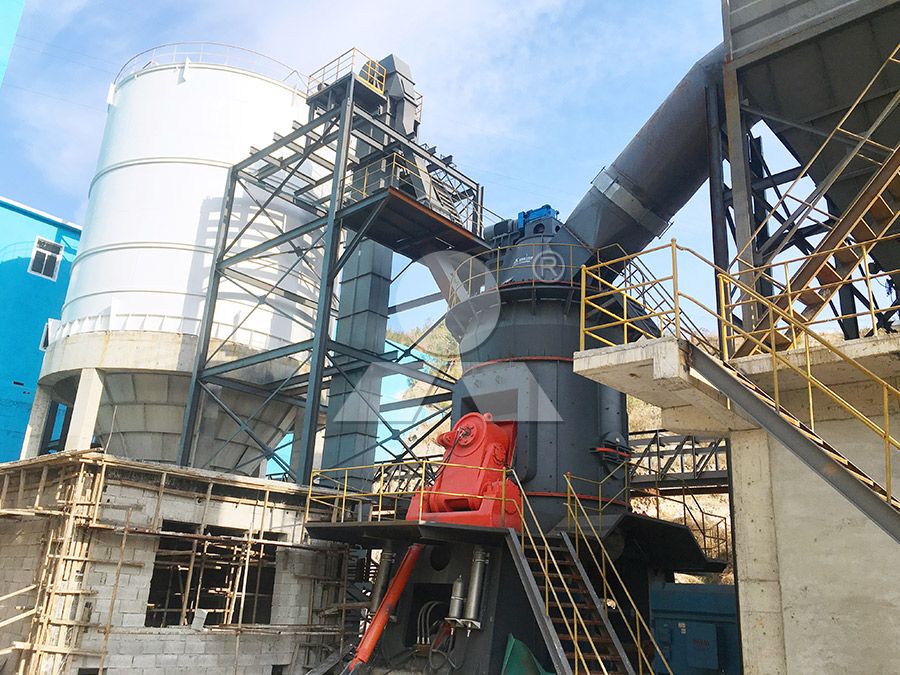
Adopting modern mill design can intrinsically enhance operational safety. A prime example is our LM Vertical Coal Mill. This mill is engineered with several features that directly contribute to safer and more reliable operation:
- Limit Device: It features a mechanical limiting protection technology that prevents direct contact between the grinding roller and grinding table, avoiding destructive impacts and severe vibration caused by machine shock.
- Hydraulic Roller Turn-Out System: For maintenance, the grinding rollers can be turned out of the mill completely and safely using a hydraulic system, providing ample space for inspection and replacement of wear parts. This eliminates the need for hazardous manual handling inside the mill.
- Fully Automated Control: The mill can be integrated into a fully automatic control system, allowing for precise control over grinding pressure, temperature, and feed rates. This reduces human error and allows for remote operation, keeping personnel away from potentially hazardous environments.
- Negative Pressure Operation: The entire system operates under negative pressure, meaning any leaks will pull air in rather than allowing combustible coal dust to escape into the plant environment, significantly reducing explosion risks.
With a capacity range of 5-100 T/H and the ability to handle input sizes up to 50mm, the LM Vertical Coal Mill integrates crushing, drying, grinding, and powder selection into a single, compact, and inherently safer unit.
Conclusion
The safe operation of a medium-speed coal mill is a disciplined process that blends rigorous procedural adherence with the intrinsic safety features of the equipment itself. By following pre-startup checks, meticulous monitoring protocols, and proper shutdown sequences, operators can mitigate risks. Investing in advanced mill technology, like the LIMING LM Vertical Coal Mill, provides an additional critical layer of protection through intelligent design, automation, and built-in safety mechanisms, ensuring continuous, efficient, and—most importantly—safe operation.