
Desulfurization Grinding Mill for Power Plants: Limestone Powder Processing in Baotou, Inner Mongolia
We provide a wide range of mills — including Raymond mill, trapezoidal mill, vertical mill, ultrafine mill, and ball mill, obtained ISO9001 international quality certification, EU CE certification, and Customs Union CU-TR certification. Suitable for processing minerals such as limestone, phosphate, quicklime, kaolin, talc, barite, bentonite, calcium carbonate, dolomite, coal, gypsum, clay, carbon black, slag, cement raw materials, cement clinker, and more.
The discharge range of these mills can be adjusted to meet specific processing needs, typically from 80-400 mesh, 600-3250 mesh, and can achieve the finest particle size of up to 6000 mesh(D50).
If you are looking for a reliable grinding solution to turn stone or minerals into fine powder, please feel free to contact our online customer service.
Desulfurization Grinding Mill for Power Plants: Limestone Powder Processing in Baotou, Inner Mongolia
In the heart of Inner Mongolia’s industrial landscape, Baotou’s power generation facilities face significant environmental challenges, particularly in managing sulfur emissions. Flue Gas Desulfurization (FGD) systems have become essential infrastructure, with limestone powder processing standing as the technological backbone of effective emission control.
The unique geological composition of Baotou’s limestone deposits presents both opportunities and challenges for power plant operators. Local limestone contains varying mineral impurities that require precise grinding technology to achieve the optimal particle size distribution for maximum sulfur absorption efficiency.
The Critical Role of Particle Size in Desulfurization
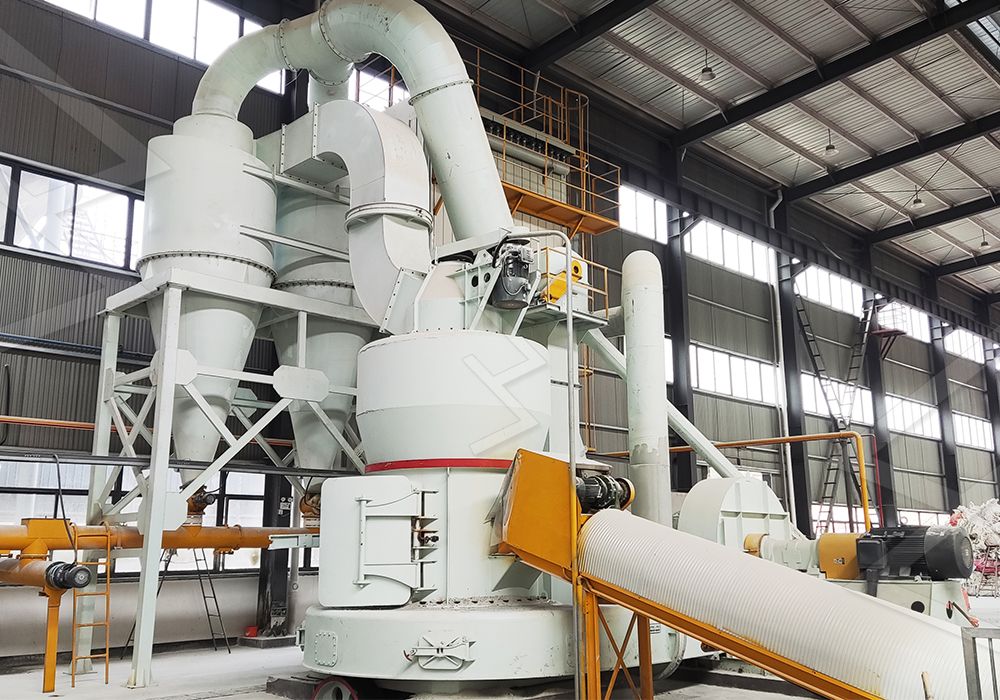
Modern FGD systems demand limestone powder with specific characteristics – typically ranging between 325 to 2500 meshes. The fineness directly impacts the reaction surface area and absorption rate. Too coarse, and the limestone fails to react completely; too fine, and material handling becomes problematic while energy consumption escalates unnecessarily.
Our extensive field experience in Baotou has demonstrated that the MW Ultrafine Grinding Mill provides an ideal solution for this delicate balance. With its adjustable fineness between 325-2500 meshes and capacity of 0.5-25 tph, this equipment handles the specific requirements of power plant desulfurization with remarkable efficiency.
Addressing Baotou’s Specific Operational Challenges
The region’s extreme temperature variations and dusty conditions demand equipment that can maintain consistent performance despite environmental stressors. Traditional grinding systems often struggle with bearing failures and screw loosening under such conditions, leading to unexpected downtime and maintenance costs.
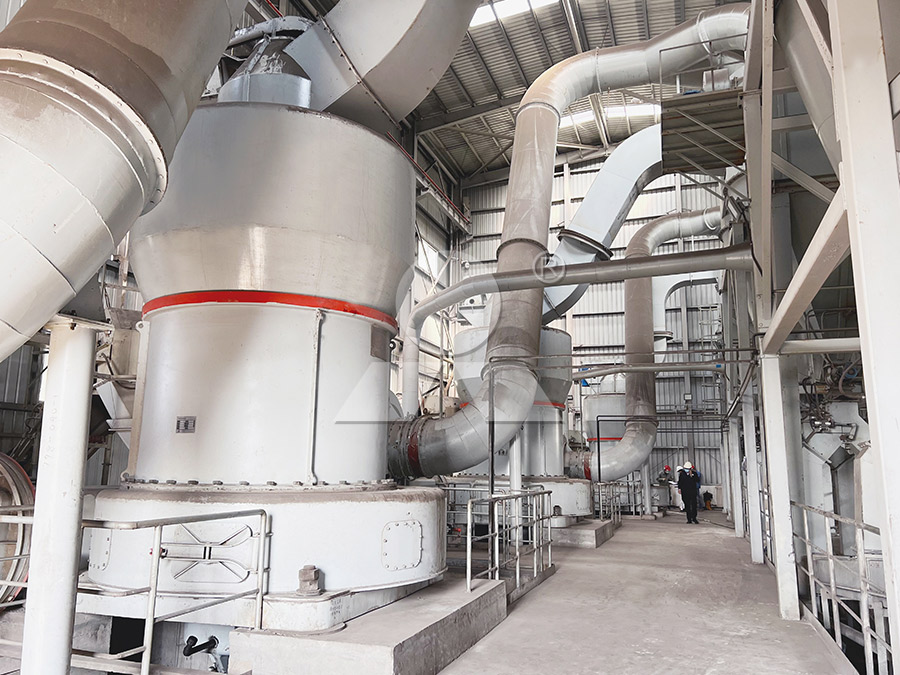
The innovative design of the MW Ultrafine Grinding Mill eliminates these concerns through its no rolling bearing and screw configuration in the grinding chamber. This engineering breakthrough has proven particularly valuable in Baotou’s demanding operational environment, where temperature fluctuations can reach 70°C between seasons.
Environmental Compliance and Operational Efficiency
Inner Mongolia’s stringent environmental regulations require power plants to maintain emissions well below national standards. The MW Ultrafine Grinding Mill’s integrated pulse dust collector and muffler system ensures that the grinding process itself doesn’t become a secondary pollution source. Our measurements at Baotou facilities show dust emissions reduced to less than 20mg/m³, significantly below the 30mg/m³ regulatory limit.
What sets this technology apart is its energy efficiency – consuming approximately 30% less power compared to conventional jet grinding mills while achieving 40% higher production capacity. For a typical 600MW power plant in Baotou, this translates to annual energy savings exceeding 1.2 million kWh.
Advanced Alternatives for Diverse Applications
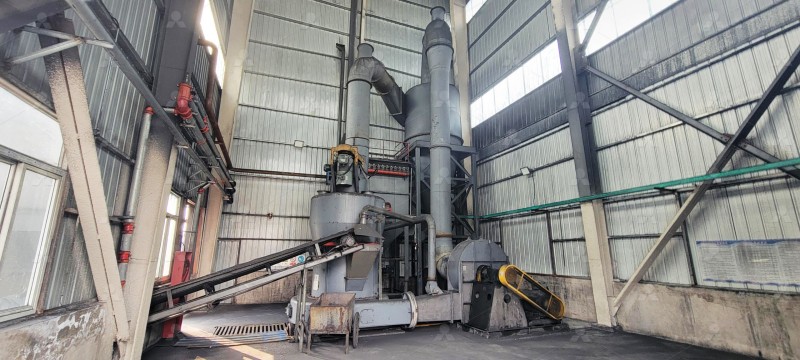
For facilities requiring different throughput capacities or dealing with varied raw material characteristics, the LUM Ultrafine Vertical Grinding Mill presents another sophisticated option. With its capacity of 5-18 tph and advanced German powder separating technology, this system offers exceptional flexibility for power plants processing multiple mineral types.
The LUM’s unique roller shell and lining plate grinding curve design generates material layers more effectively, achieving higher finished product rates through single-pass powder milling. This capability has proven valuable for Baotou plants that occasionally process dolomite or other alternative desulfurization agents.
Localized Technical Support and Maintenance
Operating in remote locations like Baotou necessitates reliable technical support and spare parts availability. Our regional service center in Hohhot ensures that power plant operators receive prompt assistance, with most common maintenance issues resolved within 24 hours. The sufficient supply of original spare parts guarantees worry-free operation throughout the equipment’s lifecycle.
Frequently Asked Questions
What is the optimal limestone powder fineness for power plant desulfurization?
Most FGD systems perform optimally with limestone powder between 325-2500 meshes. The MW Ultrafine Grinding Mill allows precise adjustment within this range to match specific absorption requirements.
How does the equipment handle Baotou’s extreme temperature variations?
Both the MW and LUM grinding mills incorporate temperature-resistant materials and designs that maintain operational stability across Baotou’s seasonal extremes, from -25°C winters to 45°C summers.
What maintenance advantages does the no rolling bearing design offer?
This innovative design eliminates the most common failure points in grinding equipment, particularly valuable in dusty environments. External lubrication without shutdown enables continuous 24-hour operation critical for power generation.
How do these systems contribute to overall plant environmental compliance?
Beyond producing effective desulfurization agent, the integrated pulse dust collectors and noise reduction systems ensure the grinding process itself meets stringent emission standards, with dust levels maintained below 20mg/m³.
What is the typical return on investment for upgrading to modern grinding technology?
Most Baotou facilities recoup their investment within 18-24 months through energy savings (30-40% reduction), reduced maintenance costs, and improved desulfurization efficiency reducing limestone consumption by 15-20%.