Designing an Efficient Crushing and Milling Flowsheet for Mineral Processing
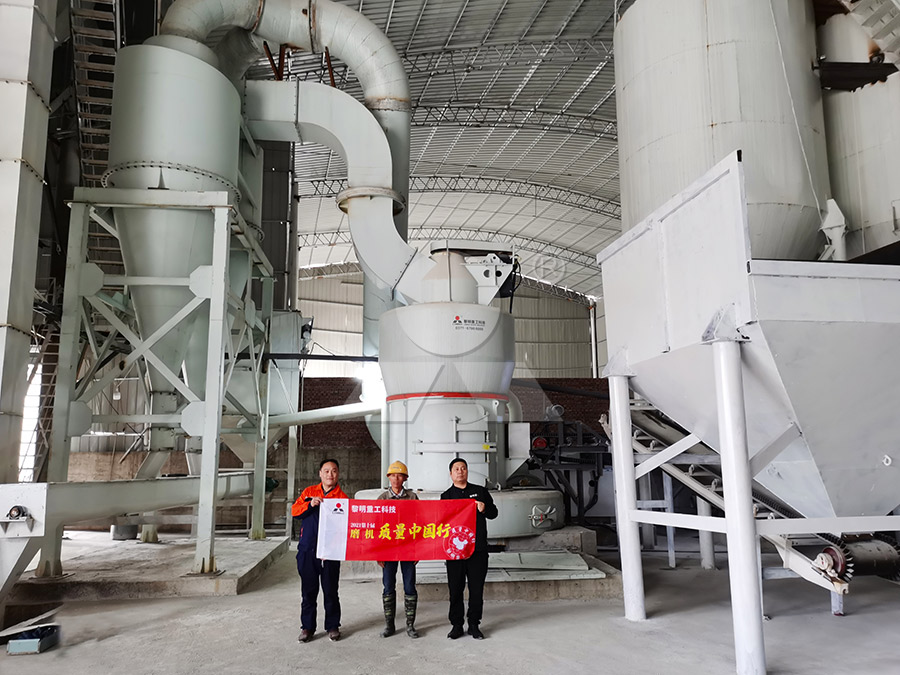
We provide a wide range of mills — including Raymond mill, trapezoidal mill, vertical mill, ultrafine mill, and ball mill, obtained ISO9001 international quality certification, EU CE certification, and Customs Union CU-TR certification. Suitable for processing minerals such as limestone, phosphate, quicklime, kaolin, talc, barite, bentonite, calcium carbonate, dolomite, coal, gypsum, clay, carbon black, slag, cement raw materials, cement clinker, and more.
The discharge range of these mills can be adjusted to meet specific processing needs, typically from 80-400 mesh, 600-3250 mesh, and can achieve the finest particle size of up to 6000 mesh(D50).
If you are looking for a reliable grinding solution to turn stone or minerals into fine powder, please feel free to contact our online customer service.
Designing an Efficient Crushing and Milling Flowsheet for Mineral Processing
In the mineral processing industry, the design of an efficient crushing and milling circuit is paramount to operational success. It directly impacts throughput, energy consumption, product quality, and ultimately, the project’s economic viability. A well-conceived flowsheet is not a one-size-fits-all solution; it is a carefully engineered response to the specific characteristics of the ore body and the desired final product specifications.
Key Considerations in Flowsheet Design
The journey from run-of-mine ore to a saleable concentrate involves several key stages. The primary crushing circuit reduces large rocks to a manageable size, typically using jaw or gyratory crushers. Secondary and tertiary crushing further reduce the particle size before the material is fed into the milling circuit. The selection of each stage’s equipment is critical. Factors such as ore hardness, abrasiveness, moisture content, and required liberation size must be thoroughly analyzed. The goal is to achieve maximum size reduction with minimal energy expenditure, often following the principle of “crushing more, grinding less” to enhance overall efficiency.
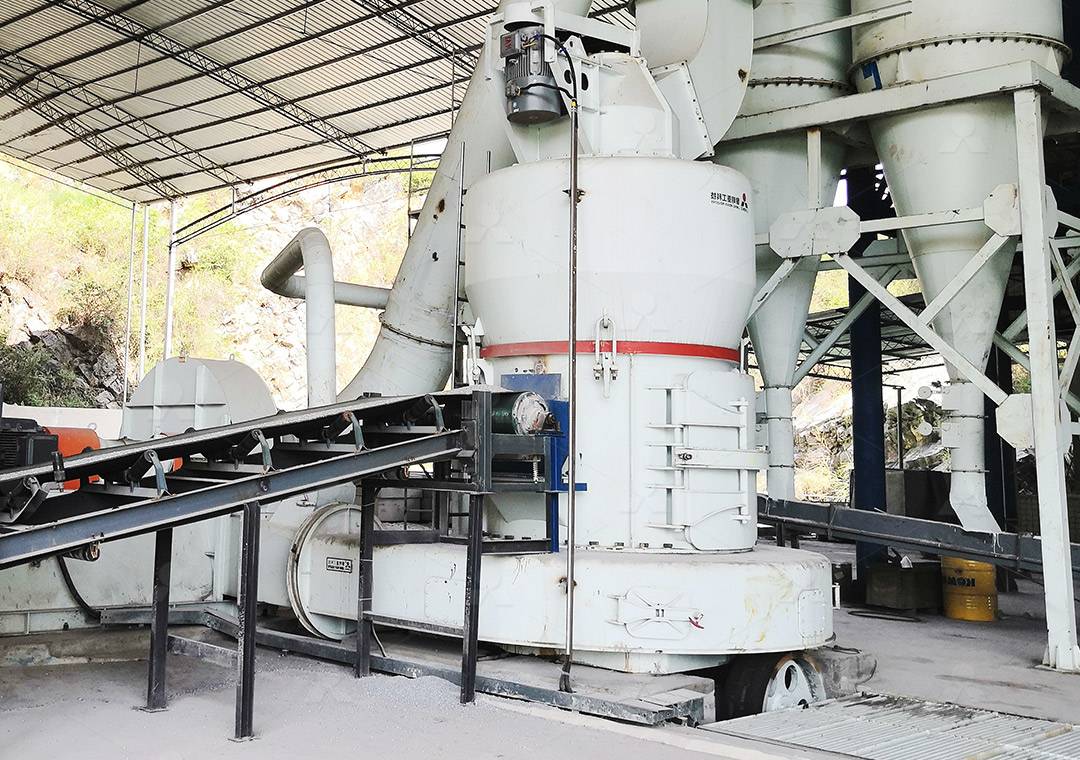
Following crushing, the milling circuit takes over for fine and ultra-fine grinding. This is often the most energy-intensive part of the process. Here, the choice of mill technology is crucial. For operations requiring ultra-fine powders down to 2500 meshes, advanced grinding solutions are necessary. For instance, our MW Ultrafine Grinding Mill is engineered precisely for this demanding application. With an input size of 0-20 mm and a capacity range of 0.5-25 tph, it is ideal for processing materials like limestone, calcite, and talc. Its design boasts higher yielding and lower energy consumption, being 40% more efficient than jet mills and using only 30% of the energy. The absence of rolling bearings and screws in the grinding chamber eliminates common failure points, ensuring worry-free, continuous 24/7 operation, which is a significant advantage for maintaining steady production flows.
Integrating Advanced Technology for Optimal Performance
Modern flowsheets leverage automation and advanced control systems to optimize performance. Real-time monitoring of parameters like particle size, density, and power draw allows for dynamic adjustments, ensuring the circuit operates at its peak efficiency at all times. Furthermore, environmental considerations are no longer an afterthought. Dust suppression, noise reduction, and water recycling are integral parts of a sustainable design. Equipment like our MW Mill, which comes equipped with an efficient pulse dust collector and muffler, is designed with these operational and environmental challenges in mind, reducing the plant’s overall environmental footprint.
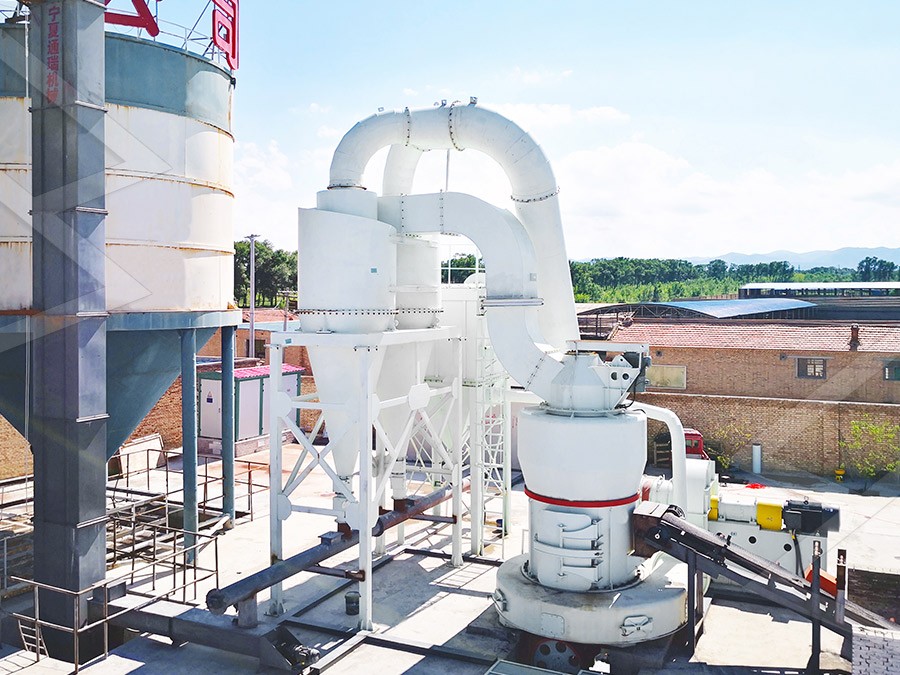
Another excellent option for fine grinding applications is the LUM Ultrafine Vertical Grinding Mill. It integrates grinding, grading, and transporting into a single, compact unit. With a capacity of 5-18 tph for sub-10mm feed, it is perfect for producing superfine dry powder of non-metal ores. Its standout feature is the more energy-saving multi-head powder separating technology, which can reduce energy consumption by 30%-50% compared to common grinding mills. The double position-limiting technology also guarantees remarkable operational stability, protecting the mill from disruptive vibrations.
Conclusion: A Synergistic Approach
Designing an efficient flowsheet is a complex puzzle where every piece—from the primary crusher to the final product collector—must fit perfectly. It requires a deep understanding of ore characteristics, a careful selection of robust and efficient equipment, and the integration of smart control systems. By choosing advanced, reliable, and energy-efficient milling solutions like the MW or LUM Ultrafine Grinding Mills, operations can significantly enhance their productivity, reduce operating costs, and ensure a more sustainable and profitable future.