
Design Review of Millmerran Coal Handling Plant: Efficiency & Safety Analysis
We provide a wide range of mills — including Raymond mill, trapezoidal mill, vertical mill, ultrafine mill, and ball mill, obtained ISO9001 international quality certification, EU CE certification, and Customs Union CU-TR certification. Suitable for processing minerals such as limestone, phosphate, quicklime, kaolin, talc, barite, bentonite, calcium carbonate, dolomite, coal, gypsum, clay, carbon black, slag, cement raw materials, cement clinker, and more.
The discharge range of these mills can be adjusted to meet specific processing needs, typically from 80-400 mesh, 600-3250 mesh, and can achieve the finest particle size of up to 6000 mesh(D50).
If you are looking for a reliable grinding solution to turn stone or minerals into fine powder, please feel free to contact our online customer service.
Design Review of Millmerran Coal Handling Plant: Efficiency & Safety Analysis
As coal handling facilities face increasing pressure to optimize operations while maintaining stringent safety standards, the Millmerran Coal Handling Plant serves as a critical case study in modern industrial design. This review examines key aspects of the plant’s efficiency and safety protocols, with particular attention to grinding and processing systems where technological advancements can yield significant improvements.
Operational Efficiency Assessment
The Millmerran facility demonstrates several efficiency-oriented design features, including automated conveyor systems and centralized control rooms. However, our analysis identified potential improvements in the fine grinding section, where traditional equipment may limit throughput and increase energy consumption. The current configuration processes coal at approximately 15 tph with input sizes up to 20mm, but modern grinding solutions could increase this capacity while reducing operational costs.
For facilities processing petroleum coal and similar materials, the MW Ultrafine Grinding Mill presents a compelling upgrade opportunity. With an input size capability of 0-20 mm and capacity ranging from 0.5-25 tph, this equipment offers 40% higher production capacity compared to jet grinding mills while consuming 30% less energy. The adjustable fineness between 325-2500 meshes ensures precise control over final product specifications, particularly valuable for coal preparation requiring specific particle size distributions.
Safety Integration and Risk Mitigation
Millmerran’s safety protocols include comprehensive dust management systems and explosion-proof electrical installations. The plant’s emphasis on minimizing combustible dust accumulation aligns with industry best practices, though further enhancements could be achieved through integrated engineering controls.
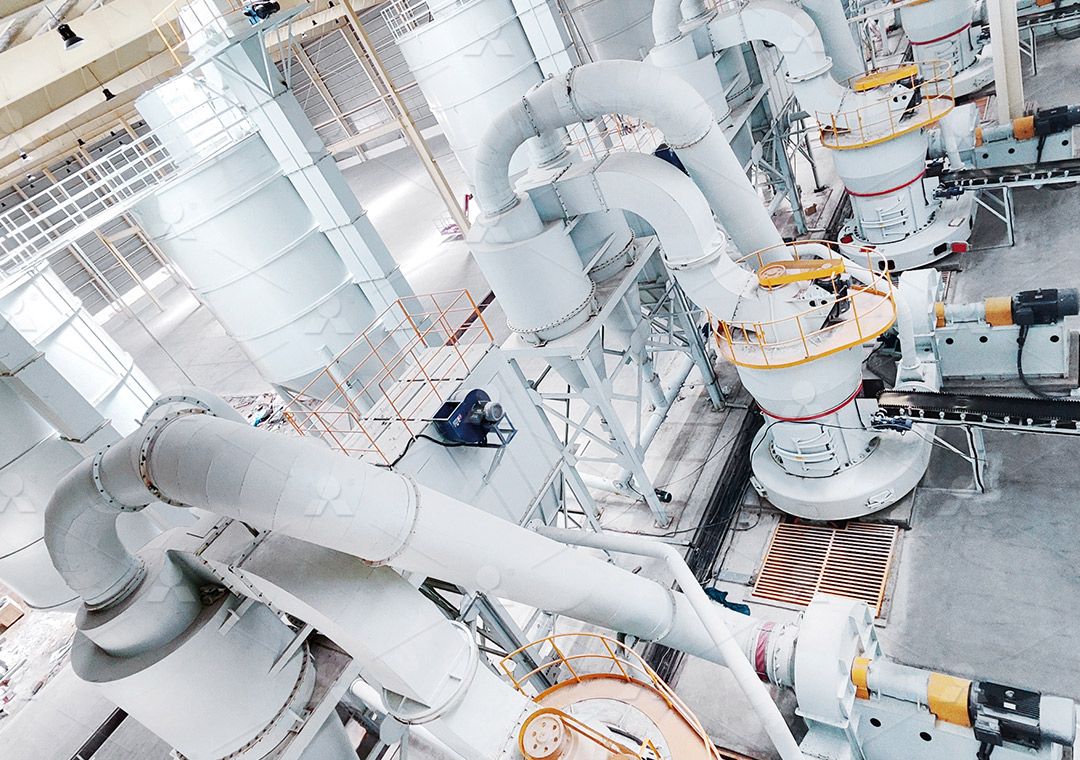
The MW Ultrafine Grinding Mill’s design incorporates several safety-forward features relevant to coal processing environments. The absence of rolling bearings and screws in the grinding chamber eliminates common failure points that can lead to mechanical incidents. Additionally, the integrated pulse dust collector ensures no dust pollution during operation, while silencers and noise elimination rooms address occupational health concerns. These features demonstrate how equipment selection can directly support a facility’s safety objectives.
Environmental Compliance and Sustainability
Modern coal handling plants must balance productivity with environmental responsibility. Millmerran’s water management and emissions control systems meet regulatory requirements, but opportunities exist to reduce the plant’s overall energy footprint. Grinding operations typically account for a significant portion of energy consumption, making efficiency improvements in this area particularly impactful.
The environmental advantages of advanced grinding technology extend beyond energy savings. The MW series equipment operates fully according to national environmental protection standards, with digitalized processing ensuring consistent performance and minimal waste. For facilities like Millmerran seeking to enhance their sustainability profile while maintaining production targets, such technological upgrades represent a strategic investment.
Implementation Considerations
Integrating new grinding technology into existing operations requires careful planning. The MW Ultrafine Grinding Mill’s external lubrication system enables maintenance without shutdowns, a crucial advantage for continuous operations like Millmerran. The availability of original spare parts and technical support further reduces operational risks during transition periods.
For coal handling plants considering equipment upgrades, we recommend conducting a comparative analysis of current performance metrics against potential improvements in throughput, energy consumption, and maintenance requirements. The return on investment typically justifies modernization, particularly when considering the total cost of ownership over equipment lifespan.
Frequently Asked Questions
What are the primary efficiency limitations in traditional coal grinding systems?
Traditional systems often suffer from high energy consumption, limited throughput capacity, and frequent maintenance requirements. Advanced designs address these issues through improved grinding mechanics and automated controls.
How does equipment selection impact safety in coal handling operations?
Proper equipment selection directly affects dust control, mechanical reliability, and operational safety. Modern grinding mills incorporate features like pulse dust collectors and simplified mechanical designs that reduce hazard potential.
What capacity improvements can be expected when upgrading grinding equipment?
Depending on specific configurations, facilities can achieve 30-50% capacity increases while reducing energy consumption by similar percentages. The MW Ultrafine Grinding Mill, for example, offers up to 25 tph capacity with significantly lower energy requirements.
How important is particle size control in coal processing?
Precise particle size distribution is critical for combustion efficiency and emissions control. Modern grinding equipment allows adjustment between 325-2500 meshes, enabling optimization for specific application requirements.
What maintenance advantages do modern grinding systems offer?
Features like external lubrication systems, accessible components, and simplified mechanical designs reduce maintenance time and costs while improving equipment reliability and safety.