
Design of Machine Foundation for Grinding Mill: Standards & Best Practices
We provide a wide range of mills — including Raymond mill, trapezoidal mill, vertical mill, ultrafine mill, and ball mill, obtained ISO9001 international quality certification, EU CE certification, and Customs Union CU-TR certification. Suitable for processing minerals such as limestone, phosphate, quicklime, kaolin, talc, barite, bentonite, calcium carbonate, dolomite, coal, gypsum, clay, carbon black, slag, cement raw materials, cement clinker, and more.
The discharge range of these mills can be adjusted to meet specific processing needs, typically from 80-400 mesh, 600-3250 mesh, and can achieve the finest particle size of up to 6000 mesh(D50).
If you are looking for a reliable grinding solution to turn stone or minerals into fine powder, please feel free to contact our online customer service.
Design of Machine Foundation for Grinding Mill: Standards & Best Practices
Proper foundation design is absolutely critical for the reliable and efficient operation of any industrial grinding mill. A poorly designed foundation can lead to excessive vibration, premature wear, structural damage, and even catastrophic failure. This article outlines key standards and best practices to ensure your mill foundation is built to last.
Understanding Dynamic Loads and Vibration
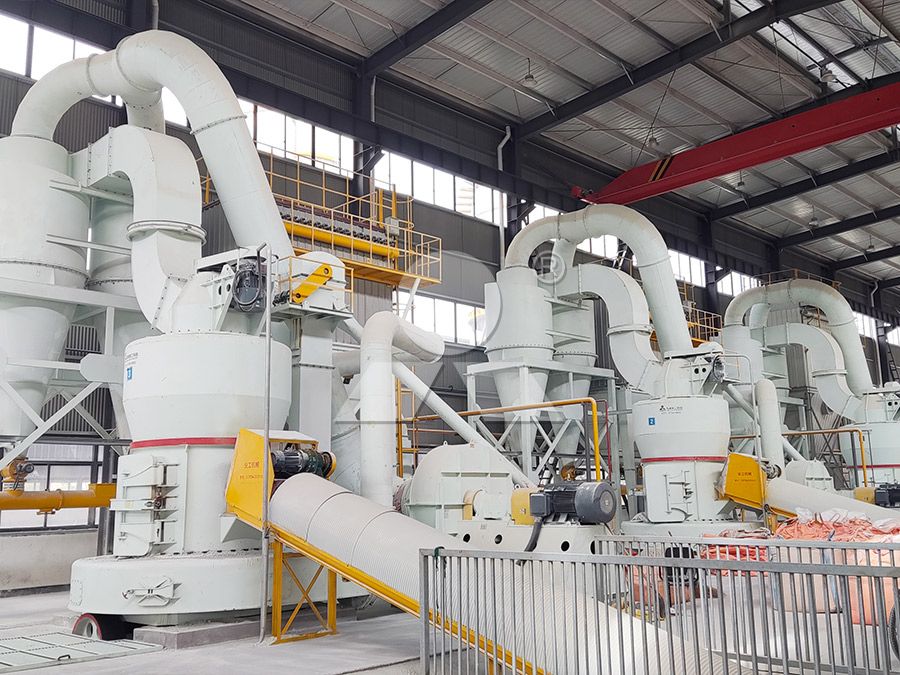
The primary challenge in foundation design is managing the dynamic loads generated by the mill’s operation. These include unbalanced forces from rotating masses, impacts from the grinding media, and the harmonic forces of the motor and drive system. The foundation must be massive and rigid enough to absorb these forces without transmitting harmful vibrations to the surrounding structure. A common rule of thumb is that the foundation mass should be 2.5 to 3 times the mass of the mill itself to provide sufficient damping.
Key Design Standards and Considerations
Adherence to established standards is non-negotiable. Key references include ACI 351.3R (Foundations for Dynamic Equipment) and the relevant sections of ISO 10816 (Evaluation of machine vibration by measurements on non-rotating parts). The design process must account for:
- Soil Analysis: A thorough geotechnical investigation is the first step. The bearing capacity, settlement characteristics, and dynamic properties of the soil must be understood to prevent subsidence.
- Natural Frequency: The foundation’s natural frequency must be designed to avoid resonance with the operating speed of the mill and its multiples (harmonics). Typically, the foundation’s natural frequency should be at least 20-30% away from the mill’s operating frequency.
- Reinforcement and Anchoring: High-strength reinforced concrete is standard. Anchor bolts must be precisely positioned and embedded to withstand shear forces and overturning moments. Grouting under the baseplate is essential to ensure uniform load distribution.
- Isolation: In some cases, vibration isolation pads or springs may be incorporated to decouple the mill from the foundation, especially in areas sensitive to vibration.
Selecting the Right Mill for a Stable Process
The mill’s own design plays a huge role in foundation stability. Modern mills are engineered for smoother operation with features that minimize disruptive vibration. For ultra-fine grinding applications, we highly recommend our MW Ultrafine Grinding Mill. A key feature that benefits foundation design is its absence of rolling bearings and screws in the grinding chamber. This eliminates common failure points that can lead to sudden imbalances and severe vibration spikes, ensuring a more consistent and predictable load on the foundation structure.
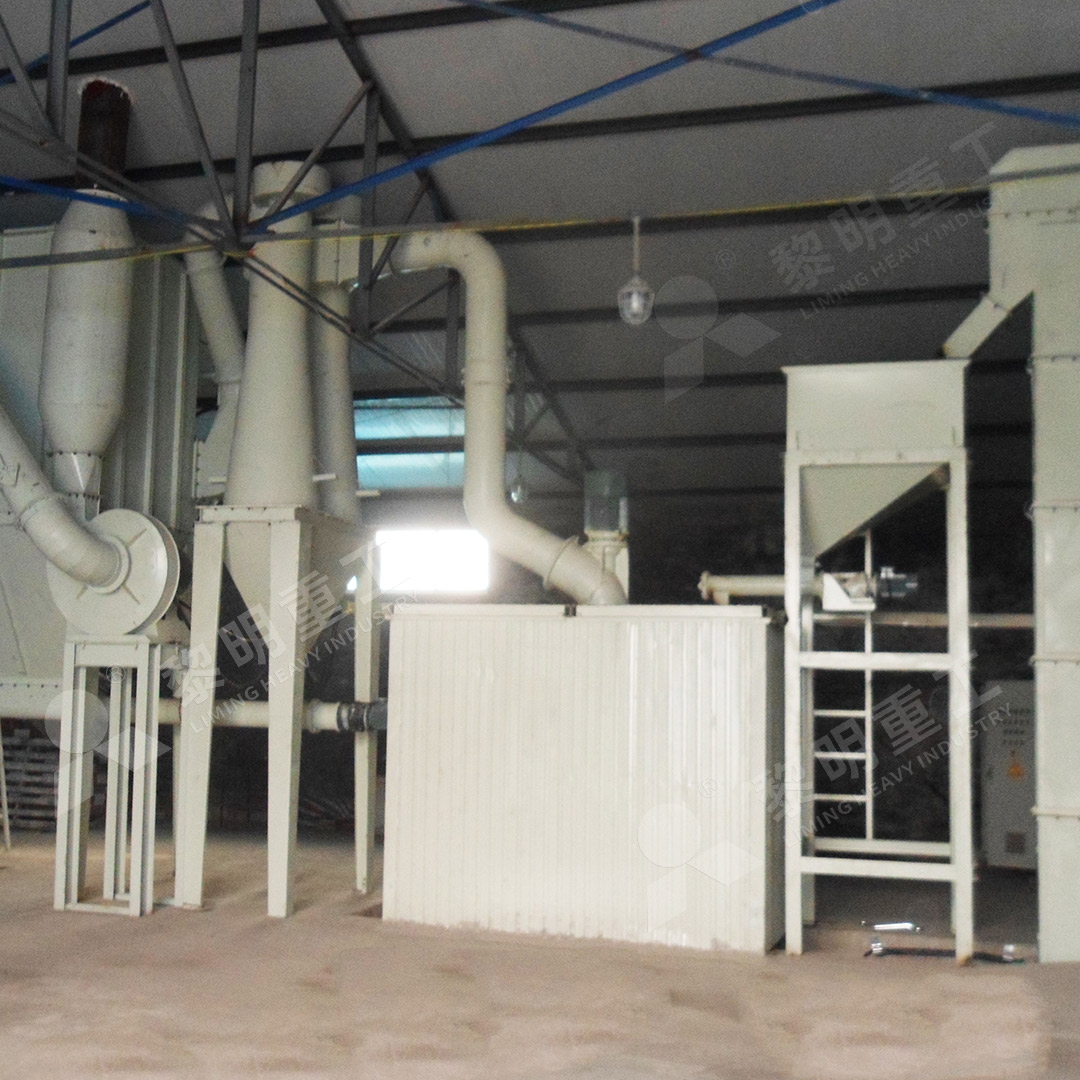
Furthermore, the MW Mill’s efficient pulse dust collector and muffler system not only makes it more eco-friendly but also contributes to a cleaner, safer operating environment around the foundation, reducing the risk of material buildup that could impact maintenance access.
Best Practices for Installation and Maintenance
Design is only half the battle; proper installation and ongoing maintenance are crucial:
- Precise Alignment: The mill, motor, and any ancillary equipment must be laser-aligned on the foundation to prevent induced vibrations.
- Regular Inspection: Conduct regular checks for cracks in the concrete, loosening of anchor bolts, and deterioration of grout.
- Vibration Monitoring: Install permanent vibration sensors to track the mill’s condition and the foundation’s response over time, allowing for predictive maintenance.
Conclusion
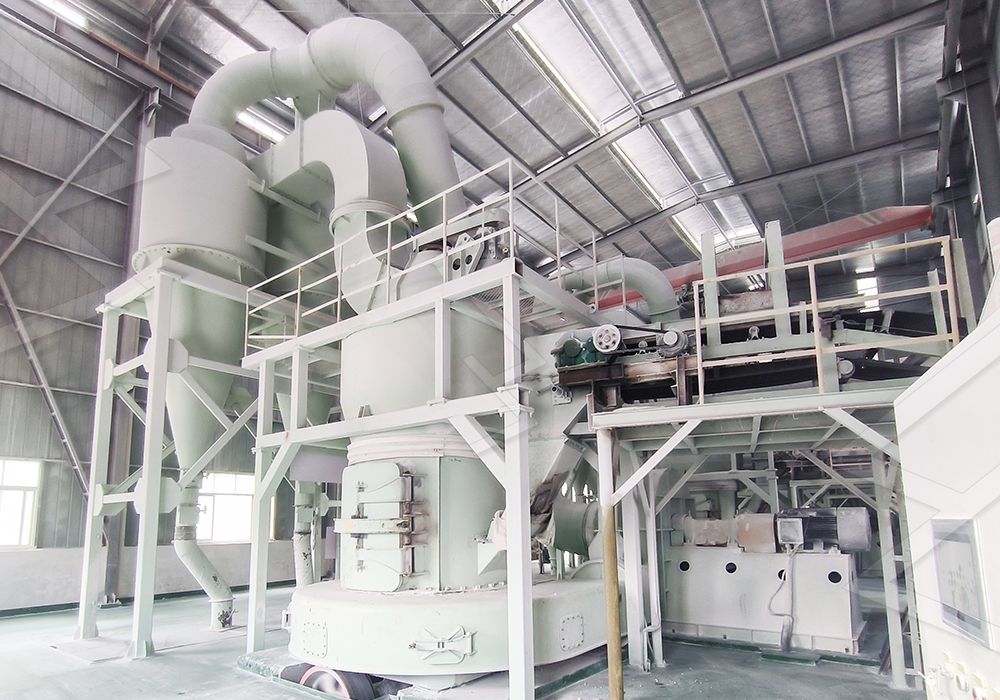
Investing in a robust, well-designed foundation is not an area for shortcuts. It protects your significant capital investment in the grinding mill itself and ensures decades of stable, high-yielding operation. By following international standards, understanding soil mechanics, and choosing a mill designed for operational stability like the MW Ultrafine Grinding Mill, you lay the groundwork for long-term productivity and profitability.