Design Considerations for Crushers and Milling Machines in Mineral Processing
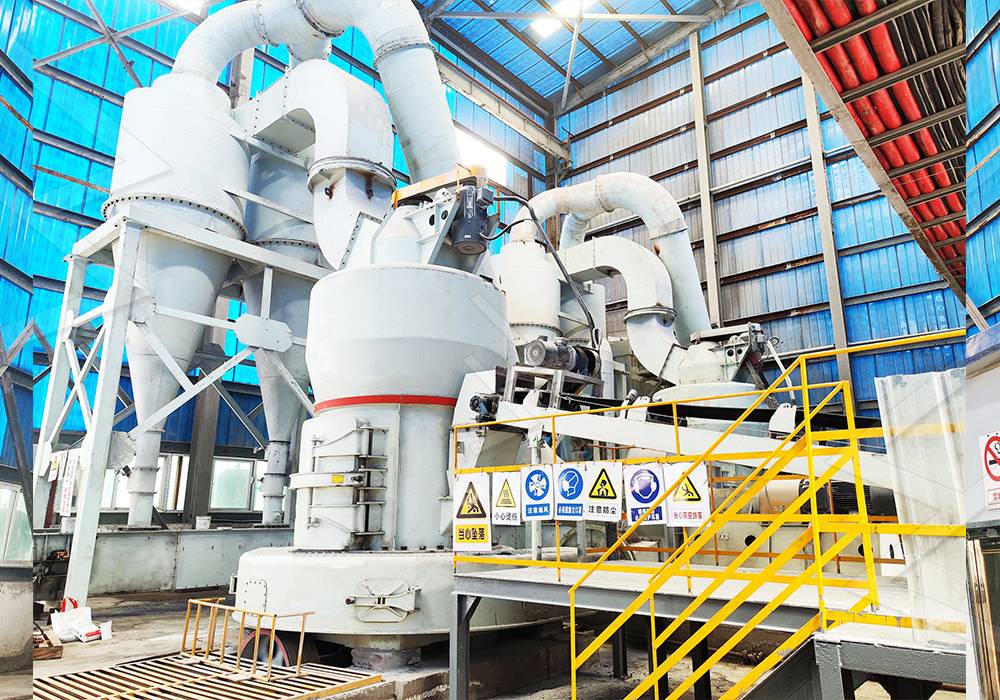
We provide a wide range of mills — including Raymond mill, trapezoidal mill, vertical mill, ultrafine mill, and ball mill, obtained ISO9001 international quality certification, EU CE certification, and Customs Union CU-TR certification. Suitable for processing minerals such as limestone, phosphate, quicklime, kaolin, talc, barite, bentonite, calcium carbonate, dolomite, coal, gypsum, clay, carbon black, slag, cement raw materials, cement clinker, and more.
The discharge range of these mills can be adjusted to meet specific processing needs, typically from 80-400 mesh, 600-3250 mesh, and can achieve the finest particle size of up to 6000 mesh(D50).
If you are looking for a reliable grinding solution to turn stone or minerals into fine powder, please feel free to contact our online customer service.
Design Considerations for Crushers and Milling Machines in Mineral Processing
In the mineral processing industry, the selection and design of crushing and milling equipment are paramount to operational efficiency, cost-effectiveness, and final product quality. The journey from raw ore to a marketable concentrate involves a series of size reduction and liberation steps, each requiring machinery tailored to specific physical ore characteristics and production goals. Key design considerations encompass feed size, capacity requirements, energy consumption, wear part longevity, maintenance accessibility, and environmental impact.
Modern mineral processing plants demand equipment that not only delivers high throughput but also operates with minimal downtime and energy expenditure. The design of the grinding chamber, the type of grinding media, the efficiency of the classification system, and the robustness of the drive train are all critical engineering focal points. For instance, the absence of rolling bearings and screws within the grinding chamber, a feature in some advanced designs, eliminates common failure points and significantly enhances operational reliability.
Embracing Ultrafine Grinding Technology
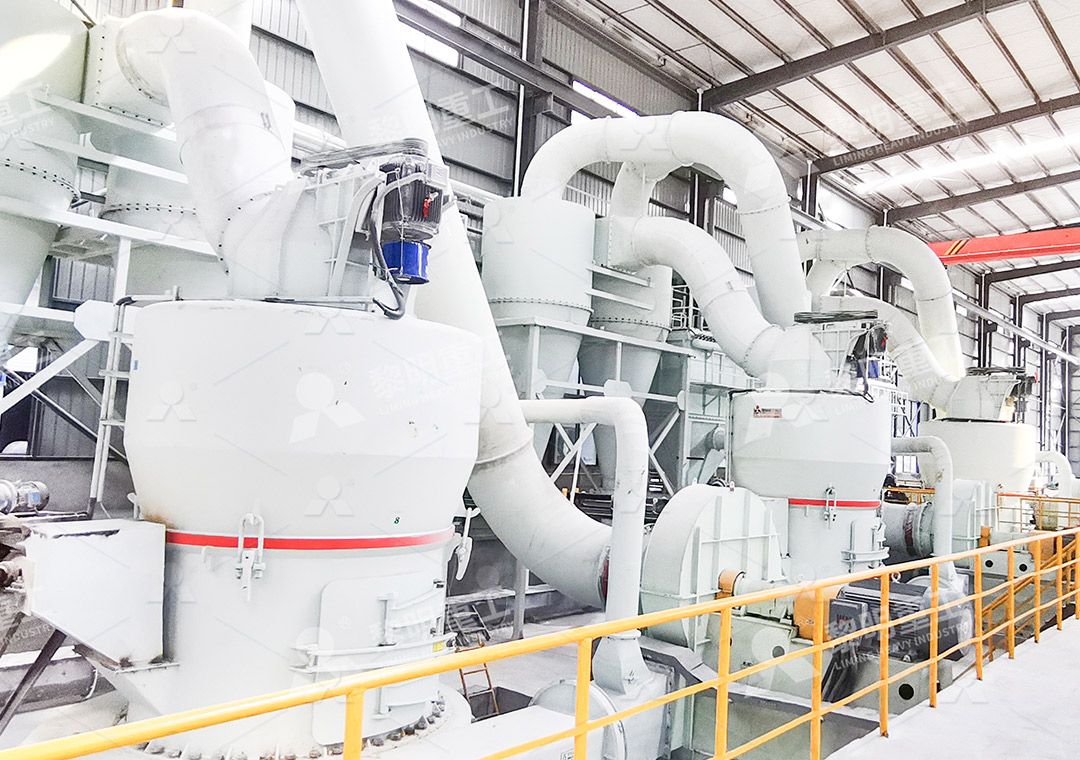
The push for finer liberations and higher-value products has accelerated the adoption of ultrafine grinding technologies. Traditional ball mills, while reliable, often fall short in energy efficiency and precision for producing ultra-fine powders below 10 microns. This is where advanced mills like our MW Ultrafine Grinding Mill excel. Designed for customers requiring ultra-fine powder between 325-2500 meshes, this machine is a game-changer. It boasts a cage-type powder selector with German technology for precise separation, achieving a screening rate of d97≤5μm in a single pass. Its design eliminates rolling bearings and screws inside the chamber, preventing related failures and allowing for external lubrication without shutdown, enabling true 24/7 continuous production. With an input size of 0-20 mm and a capacity range of 0.5-25 tph, it offers higher yielding at lower energy consumption—40% higher capacity than jet mills and 30% lower system energy consumption.
Vertical Integration and Operational Stability
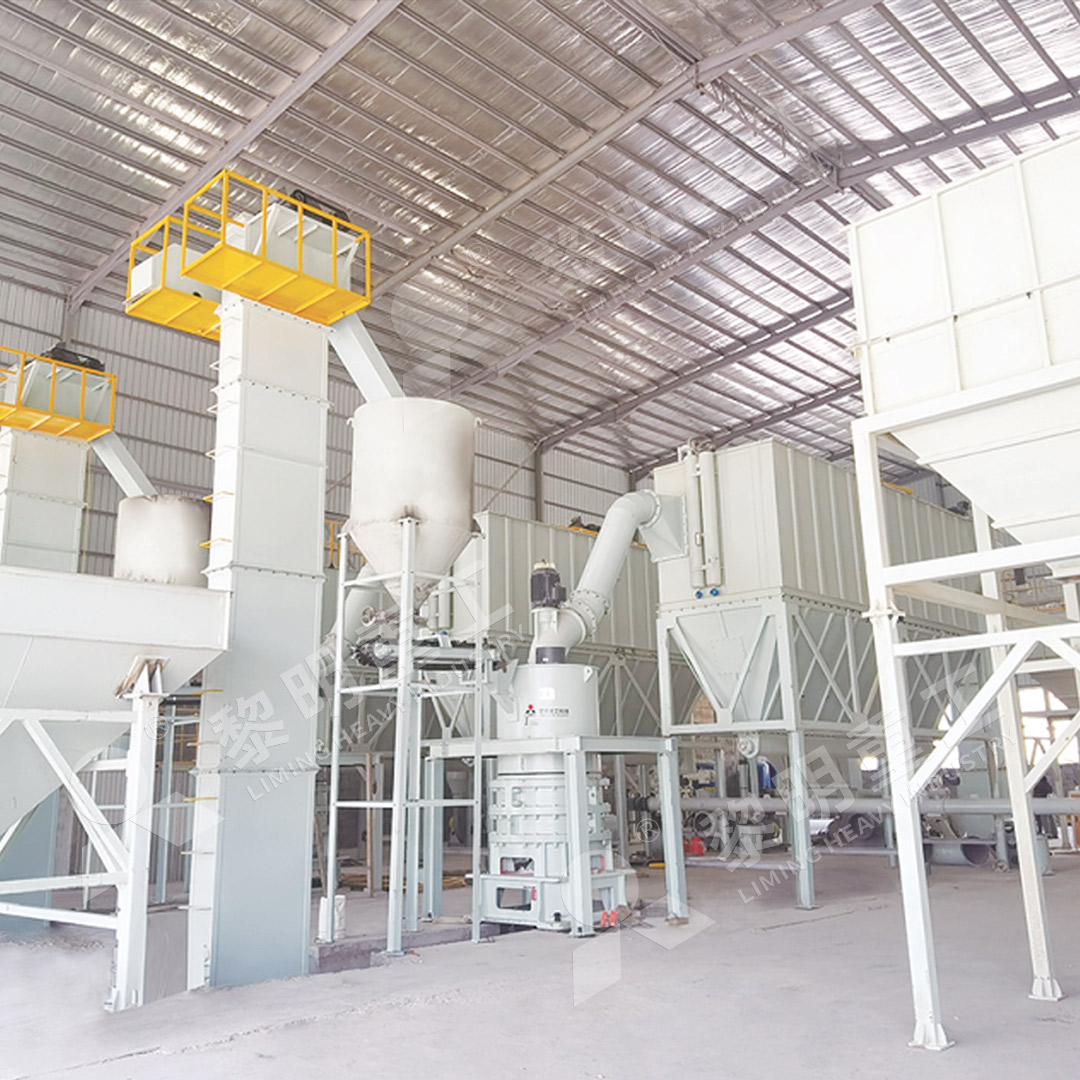
Another significant trend is the move towards vertically oriented grinding mills. These designs integrate multiple processes—drying, grinding, classifying, and conveying—into a single, compact unit, drastically reducing the plant’s footprint and infrastructure costs. A prime example is the LUM Ultrafine Vertical Grinding Mill. It incorporates the latest roller technology and German powder separating technology. Its unique roller shell and lining plate grinding curve promote easier material layer formation and high-rate finished products from a single pass. A key design triumph is its double position-limiting technology, which uses electronic and mechanical limits to prevent destructive impacts from machine vibration, ensuring exceptional operational stability. Furthermore, its reversible structure, considering the heavy grinding rollers, allows operators to easily move the roller out for maintenance, drastically reducing downtime and associated losses.
Conclusion
Choosing the right crusher or mill is not merely about matching feed size to capacity. It’s a holistic decision that impacts capital expenditure, operating costs, product quality, and environmental compliance. Designs that prioritize energy efficiency, minimal maintenance, operational stability, and environmental protection, like our MW and LUM series mills, represent the future of mineral processing. By focusing on these core engineering principles, operations can achieve superior productivity and a stronger bottom line.