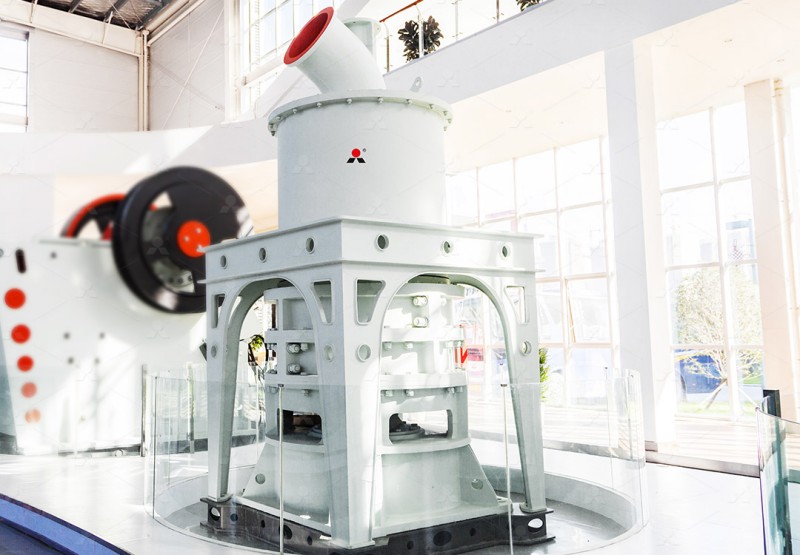
Denver Quartz Mill vs Chilli Mill: Key Differences in Crusher Performance and Applications
We provide a wide range of mills — including Raymond mill, trapezoidal mill, vertical mill, ultrafine mill, and ball mill, obtained ISO9001 international quality certification, EU CE certification, and Customs Union CU-TR certification. Suitable for processing minerals such as limestone, phosphate, quicklime, kaolin, talc, barite, bentonite, calcium carbonate, dolomite, coal, gypsum, clay, carbon black, slag, cement raw materials, cement clinker, and more.
The discharge range of these mills can be adjusted to meet specific processing needs, typically from 80-400 mesh, 600-3250 mesh, and can achieve the finest particle size of up to 6000 mesh(D50).
If you are looking for a reliable grinding solution to turn stone or minerals into fine powder, please feel free to contact our online customer service.
Denver Quartz Mill vs Chilli Mill: Key Differences in Crusher Performance and Applications
When it comes to grinding mills, the Denver Quartz Mill and Chilli Mill are two prominent names in the industry. While both serve the purpose of material grinding, they differ significantly in terms of performance, design, and applications. This article explores these differences to help you make an informed decision for your grinding needs.
1. Design and Structure
The Denver Quartz Mill is known for its robust design, featuring a horizontal configuration with a rotating drum. It is typically used for coarse grinding and is ideal for hard materials like quartz. The mill’s simplicity in design makes it easy to maintain and operate.
On the other hand, the Chilli Mill is designed for finer grinding applications. It often features a vertical structure with multiple grinding rollers, which allows for more precise control over the fineness of the output. This makes it suitable for softer materials like chilli and other spices.
2. Performance and Efficiency
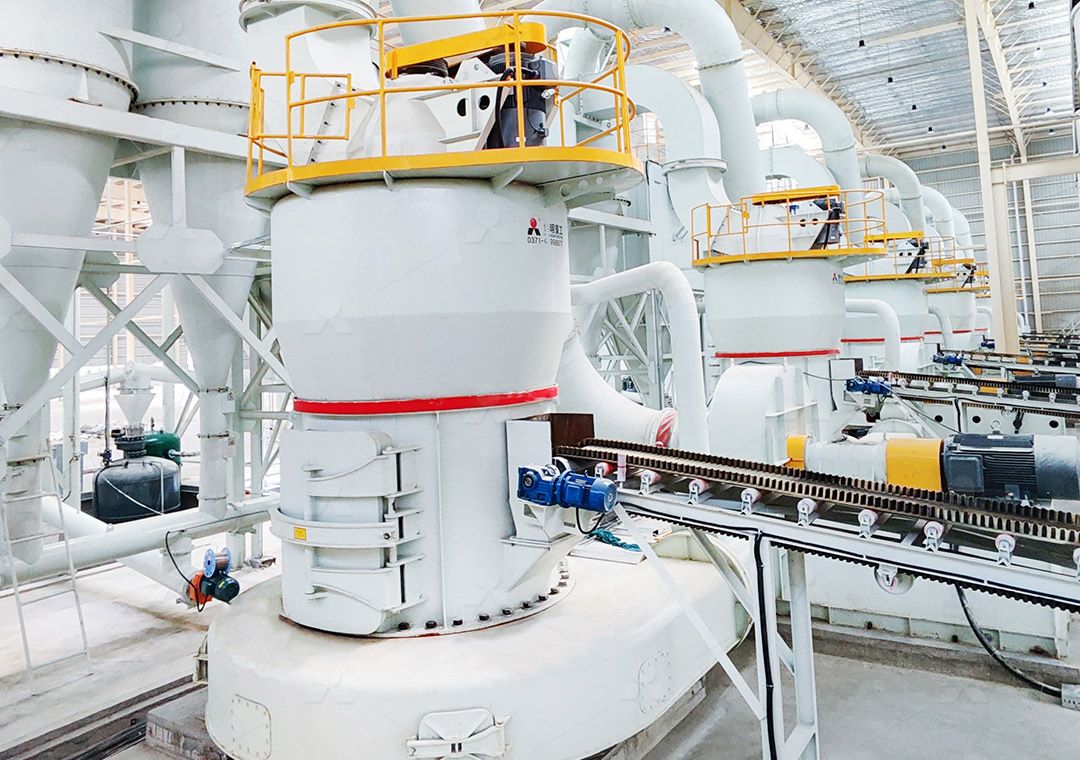
The Denver Quartz Mill excels in handling large volumes of hard materials. Its horizontal drum design ensures even grinding, but it may consume more energy compared to modern vertical mills. It is best suited for industries where coarse grinding is sufficient.
The Chilli Mill, with its vertical design and advanced roller technology, offers higher efficiency and lower energy consumption. It is capable of producing ultra-fine powders, making it a preferred choice for industries requiring high-precision grinding.
3. Applications
Denver Quartz Mill: Primarily used in mining and metallurgy for grinding ores and other hard materials. Its durability makes it suitable for heavy-duty applications.
Chilli Mill: Ideal for food processing, pharmaceuticals, and cosmetics industries where fine and uniform particle size is critical. It is also used in chemical industries for grinding soft materials.
4. Recommended Product: MW Ultrafine Grinding Mill
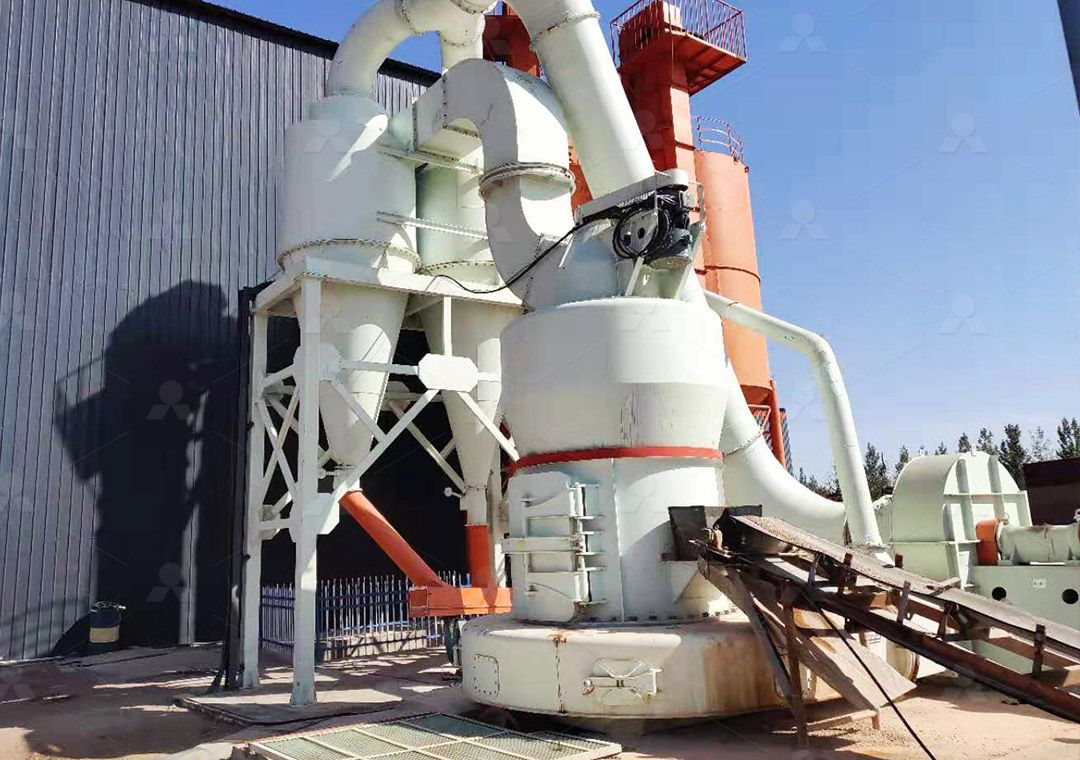
For those seeking a modern solution that combines the best of both worlds, our MW Ultrafine Grinding Mill is an excellent choice. With an input size of 0-20 mm and a capacity of 0.5-25 tph, this mill is designed for ultra-fine powder production. It features higher yielding rates, lower energy consumption, and adjustable fineness between 325-2500 meshes. Perfect for limestone, calcite, dolomite, and other materials, it is a versatile addition to any grinding operation.
5. Conclusion
Choosing between a Denver Quartz Mill and a Chilli Mill depends on your specific grinding needs. While the Denver Quartz Mill is robust and ideal for coarse grinding, the Chilli Mill offers precision and efficiency for finer applications. For a balanced solution, consider our MW Ultrafine Grinding Mill, which delivers high performance across a range of materials and industries.