
Data Analysis of Ball Mill Trunnion Bearings for Indonesian Industrial Applications
We provide a wide range of mills — including Raymond mill, trapezoidal mill, vertical mill, ultrafine mill, and ball mill, obtained ISO9001 international quality certification, EU CE certification, and Customs Union CU-TR certification. Suitable for processing minerals such as limestone, phosphate, quicklime, kaolin, talc, barite, bentonite, calcium carbonate, dolomite, coal, gypsum, clay, carbon black, slag, cement raw materials, cement clinker, and more.
The discharge range of these mills can be adjusted to meet specific processing needs, typically from 80-400 mesh, 600-3250 mesh, and can achieve the finest particle size of up to 6000 mesh(D50).
If you are looking for a reliable grinding solution to turn stone or minerals into fine powder, please feel free to contact our online customer service.
Data Analysis of Ball Mill Trunnion Bearings for Indonesian Industrial Applications
In the demanding landscape of Indonesian industrial processing, from cement production to mineral beneficiation, the reliability of grinding equipment is paramount. A critical, yet often overlooked, component is the trunnion bearing assembly of ball mills. These massive bearings support the entire rotating mass of the mill and its charge, operating under extreme loads, potential misalignment, and constant vibration. Failure is not an option, as unplanned downtime can cripple production schedules and incur significant financial losses.
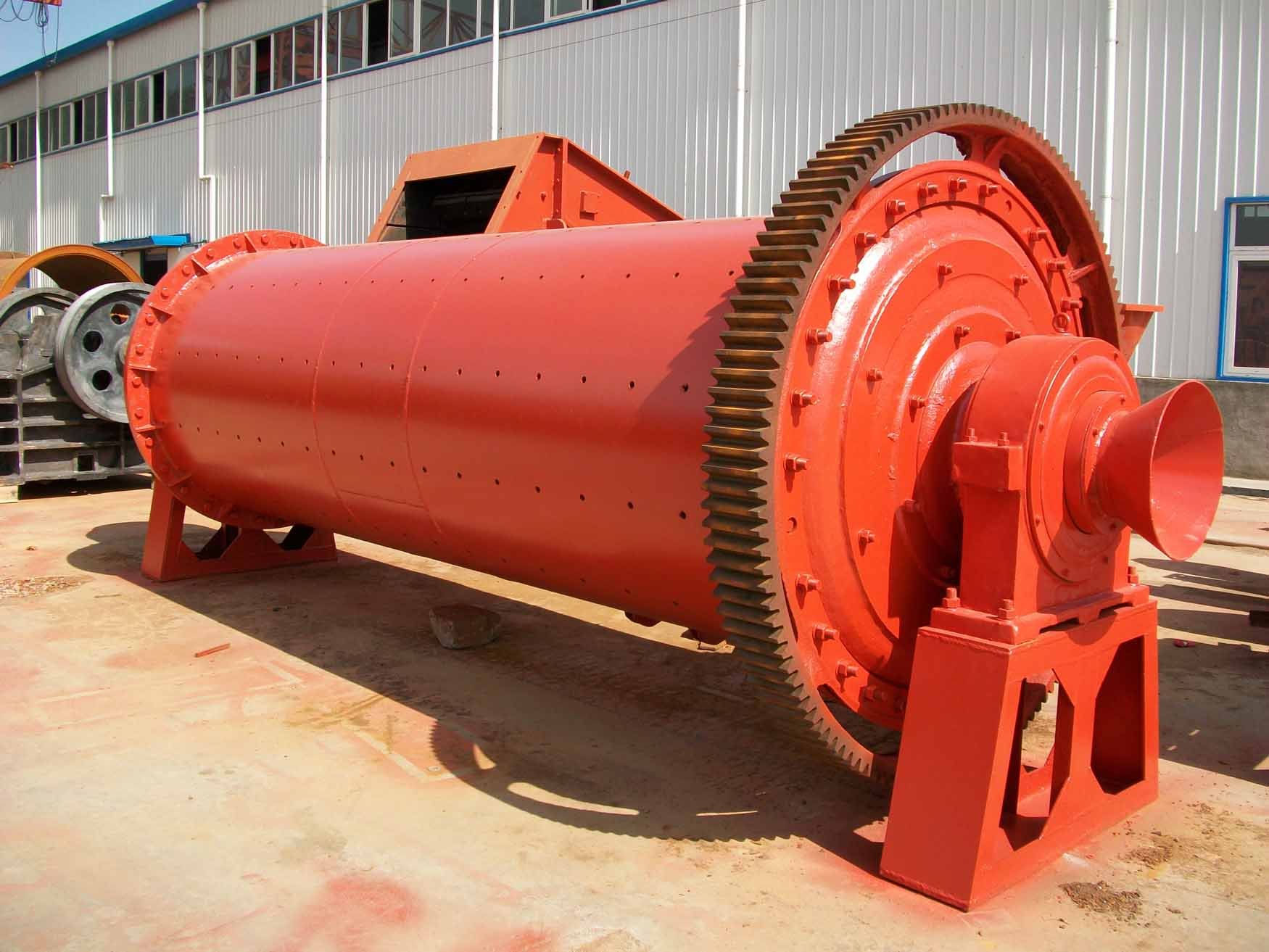
Our extensive data analysis, gathered from servicing equipment across the Indonesian archipelago, reveals common failure modes. These include overheating due to inadequate lubrication, contamination ingress leading to premature wear, and fatigue spalling caused by cyclical overloading. The tropical climate, with its high humidity and potential for dust from various raw materials, exacerbates these issues, demanding a robust sealing solution and a disciplined maintenance regimen.
Beyond Traditional Solutions: The Shift to Advanced Grinding Technology
While proper maintenance is crucial for ball mills, many Indonesian operators are now looking beyond traditional technology to mitigate these inherent risks entirely. Modern grinding solutions are engineered to eliminate the very components that are most prone to failure, such as complex trunnion bearing systems.
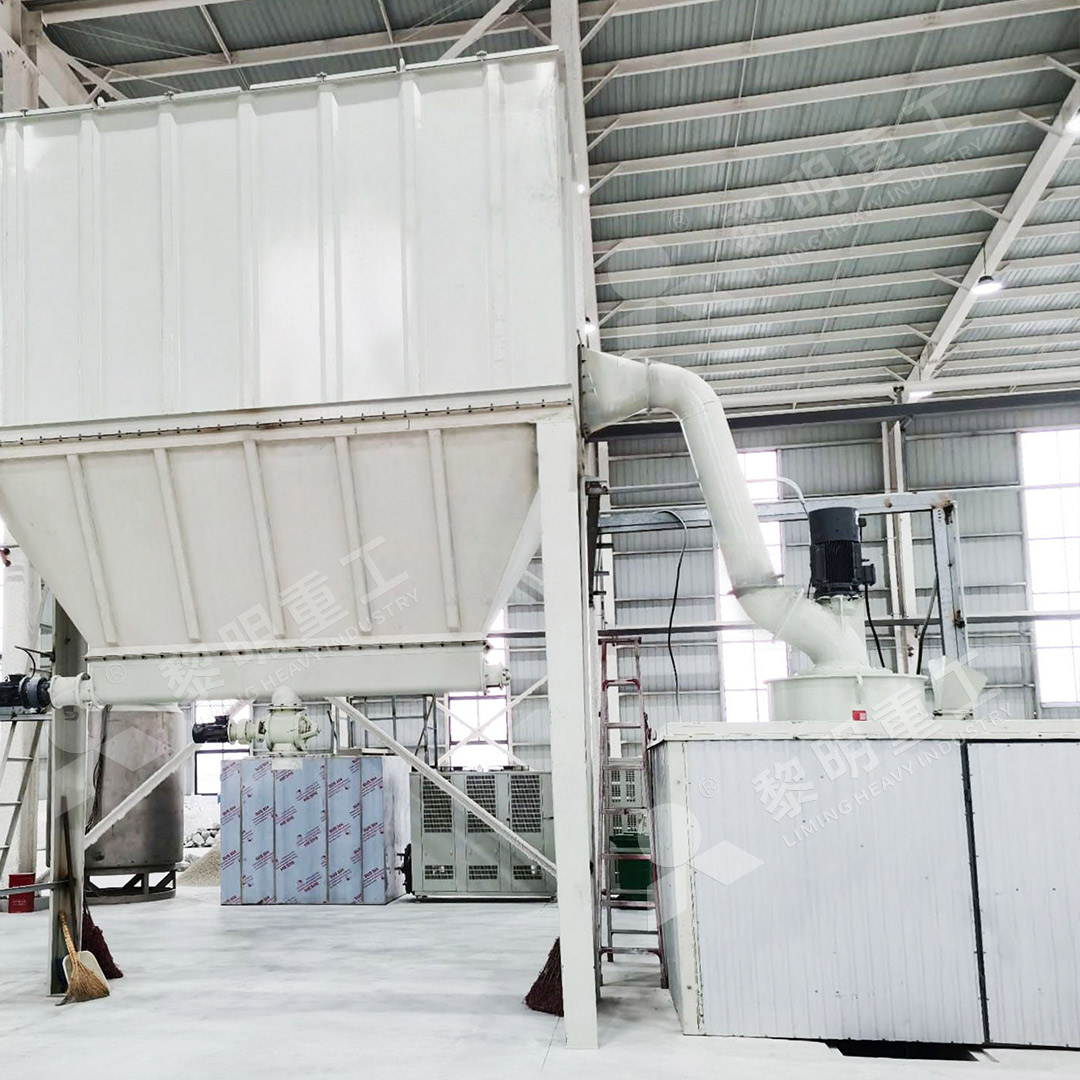
For operations focused on ultra-fine powders for chemicals, paints, cosmetics, or high-value additives, the MW Ultrafine Grinding Mill presents a superior alternative. This mill is specifically designed for reliability and minimal maintenance. A key feature is the absence of rolling bearings and screws within the grinding chamber itself. This design philosophy directly addresses the primary pain points of ball mill operators—users are free from worries about catastrophic bearing failures or machine damage caused by loose screws. Furthermore, its external lubricating device allows for lubrication without shutdown, supporting continuous 24/7 production crucial for meeting export demands.
Key Performance Data: A Comparative Overview
The operational advantages are clear when examining the performance data. The MW Mill’s newly designed grinding curves enhance efficiency, yielding production capacities up to 40% higher than jet mills and twice that of traditional ball mills for the same power consumption. Its cage-type powder selector, leveraging German technology, allows precise fineness adjustment between 325-2500 meshes, ensuring product quality for sensitive Indonesian market applications.
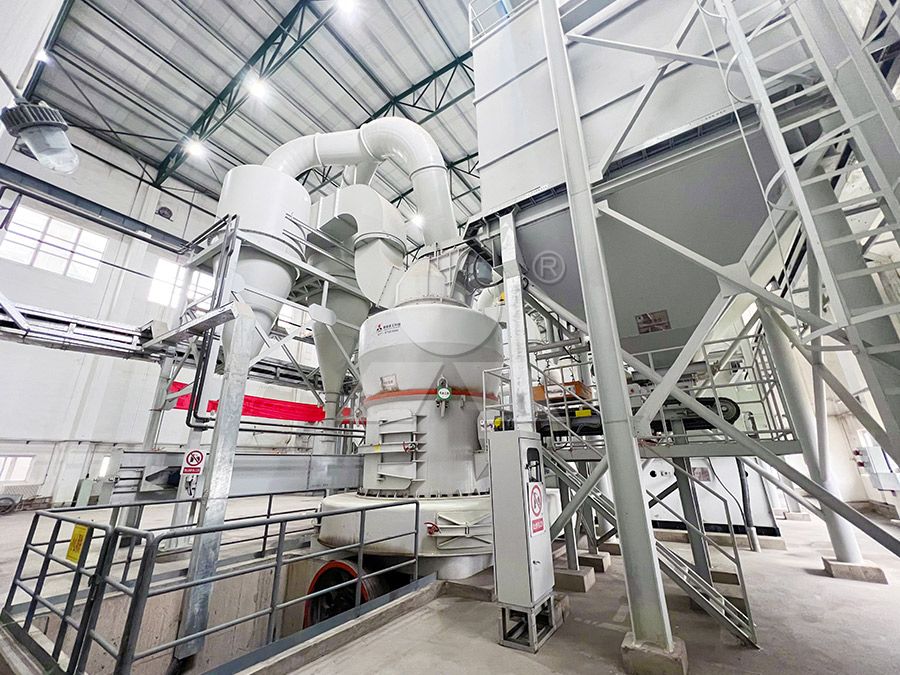
For larger-scale operations processing slag, cement, or non-metallic minerals, the LM Vertical Grinding Mill offers another robust solution. It integrates crushing, drying, grinding, and classifying into a single unit, reducing the overall footprint by 50% compared to a ball mill system and slashing energy consumption by 30-40%. Its vertical design eliminates the need for the large trunnion bearings found in horizontal ball mills, fundamentally removing a major source of potential failure and maintenance cost.
Conclusion: Strategic Equipment Selection for Long-Term Reliability
The data indicates a strong trend towards selecting grinding equipment designed for inherent reliability, especially in Indonesia’s growing and competitive industrial sector. By choosing mills that eliminate high-maintenance components like trunnion bearings, operators can achieve higher availability, lower operating costs, and more consistent product quality, ensuring long-term operational success and profitability.
Frequently Asked Questions (FAQ)
What are the most common signs of trunnion bearing failure in a ball mill?
Common indicators include a sustained rise in bearing temperature, unusual noises (rumbling or knocking), increased vibration levels, and visible lubricant leakage or contamination.
How does the MW Ultrafine Grinding Mill avoid issues related to bearings?
The MW Mill is engineered with no rolling bearings or screws inside the grinding chamber. The main shaft lubrication is performed externally, allowing for maintenance without interrupting production and completely avoiding in-chamber bearing failures.
Are these advanced grinding mills suitable for Indonesia’s humid climate?
Yes. Mills like the MW and LM series are equipped with advanced sealing systems and efficient pulse dust collectors that prevent moisture and dust ingress, protecting internal mechanisms and ensuring stable operation in challenging environmental conditions.
Can these mills handle typical Indonesian raw materials like limestone and coal?
Absolutely. Both the MW Ultrafine Grinding Mill and LM Vertical Grinding Mill are explicitly designed for materials such as limestone, calcite, dolomite, petroleum coal, gypsum, and barite, making them ideal for the local resource processing industry.