D90 Bituminous Coal Mill Price: Cost Analysis and Selection Guide
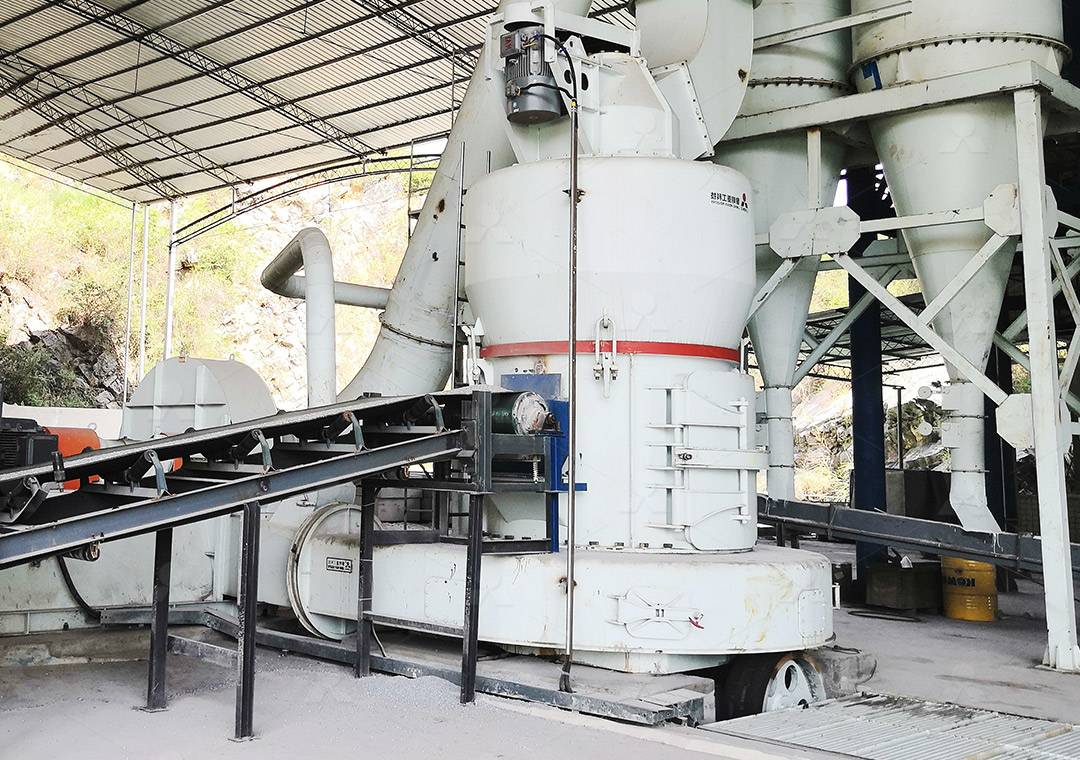
We provide a wide range of mills — including Raymond mill, trapezoidal mill, vertical mill, ultrafine mill, and ball mill, obtained ISO9001 international quality certification, EU CE certification, and Customs Union CU-TR certification. Suitable for processing minerals such as limestone, phosphate, quicklime, kaolin, talc, barite, bentonite, calcium carbonate, dolomite, coal, gypsum, clay, carbon black, slag, cement raw materials, cement clinker, and more.
The discharge range of these mills can be adjusted to meet specific processing needs, typically from 80-400 mesh, 600-3250 mesh, and can achieve the finest particle size of up to 6000 mesh(D50).
If you are looking for a reliable grinding solution to turn stone or minerals into fine powder, please feel free to contact our online customer service.
D90 Bituminous Coal Mill Price: Cost Analysis and Selection Guide
Selecting the right grinding mill for bituminous coal processing is a critical decision that impacts your operational efficiency, product quality, and bottom line. The “D90” specification—refering to the particle size at which 90% of the output is finer—is a key parameter for many industrial applications, particularly in power generation and PCI (Pulverized Coal Injection). This guide will walk you through the cost factors and help you choose the optimal equipment.
Understanding the True Cost of Ownership
When evaluating the price of a coal mill, look beyond the initial capital expenditure (CAPEX). The true cost is a combination of several factors:
- Initial Investment: The purchase price of the mill and auxiliary equipment.
- Energy Consumption: Power draw is often the largest operational cost over the machine’s lifespan.
- Maintenance & Spare Parts: Costs associated with wear parts like rollers, rings, and liners, as well as labor for repairs.
- Production Output: A mill that produces more fine powder per hour reduces cost per ton.
- Downtime: Unplanned stops for maintenance directly impact profitability.
- Environmental Compliance: Costs related to dust collection and noise control systems.
Key Selection Criteria for Bituminous Coal
Bituminous coal has specific grinding characteristics. You need a mill that can handle its hardness and volatility while achieving the desired D90 fineness, often required to be below 90μm for combustion efficiency.
Our Recommended Solution: The MW Ultrafine Grinding Mill
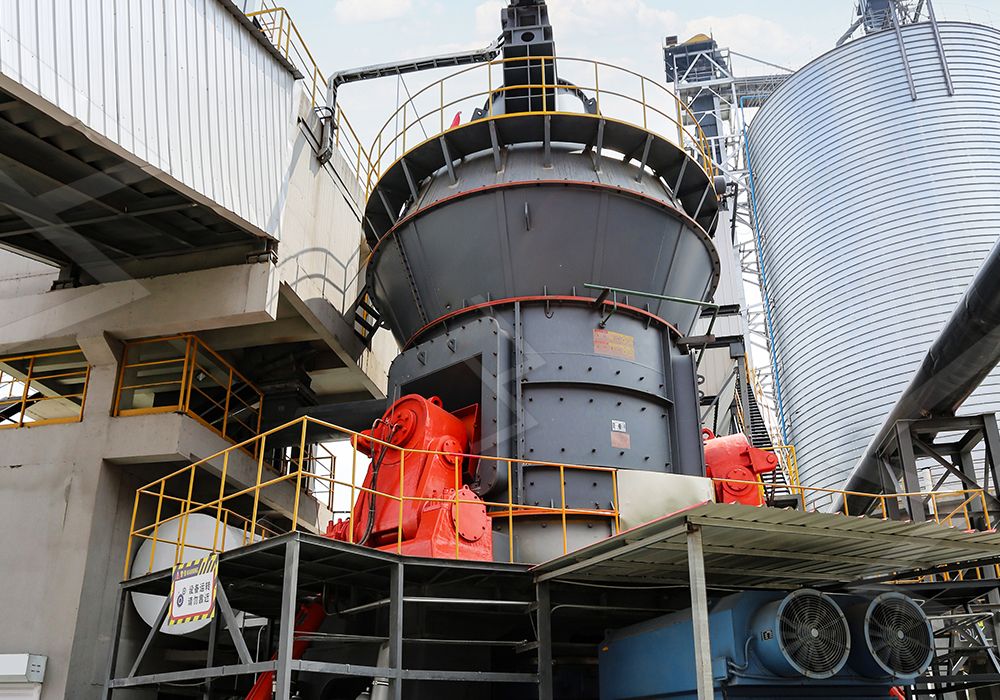
For operations requiring precise control over fine and ultra-fine bituminous coal powder, we highly recommend our MW Ultrafine Grinding Mill. This machine is engineered for customers who need to make ultra-fine powder with superior efficiency.
Key Specifications:
- Input Size: 0-20 mm
- Capacity: 0.5-25 tph
- Adjustable Fineness: 325-2500 meshes (D97≤5μm achievable)
Why it’s ideal for D90 bituminous coal:
- Higher Yielding, Lower Energy Consumption: Production capacity is 40% higher than jet mills with system energy consumption only 30% of jet mills. This directly translates to a lower cost per ton of output.
- Robust & Worry-Free Design: A critical advantage is the absence of rolling bearings and screws in the grinding chamber. This eliminates failures related to these components and prevents machine damage from loose screws, significantly reducing maintenance costs and unplanned downtime.
- Eco-Friendly Operation: Equipped with an efficient pulse dust collector and muffler, the entire system meets national environmental protection standards, avoiding potential fines and ensuring a cleaner plant environment.
Considering Higher Capacity? The LUM Ultrafine Vertical Alternative
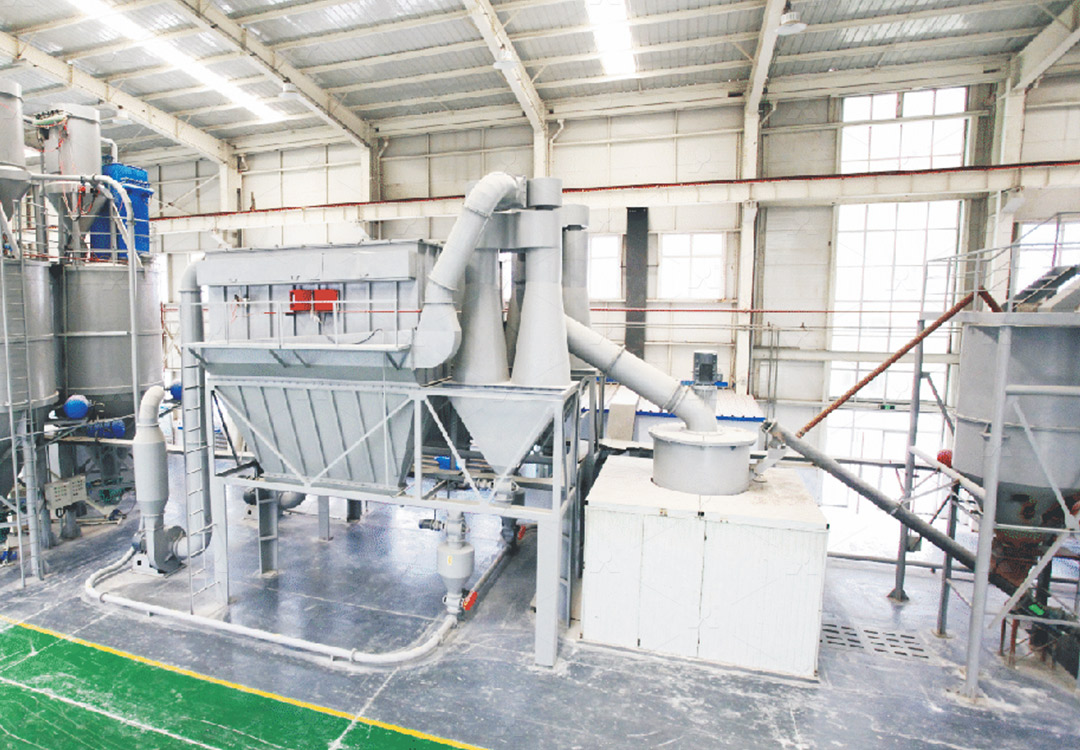
For larger-scale operations, our LUM Ultrafine Vertical Grinding Mill is another excellent choice. It integrates grinding, grading, and transporting with a capacity of 5-18 tph (Input Size: 0-10mm). Its standout feature is the reversible structure, which allows grinding rollers to be easily moved out for maintenance, drastically reducing the time and cost associated with servicing wear parts.
Making the Final Decision
Request quotes that detail the total cost of ownership, not just the equipment price. Ask for case studies or references from similar bituminous coal processing plants. The right mill, like our MW series, might have a slightly higher initial investment but will pay for itself through relentless efficiency, minimal downtime, and lower operating costs.
Always consult with our engineering team to analyze your specific coal feedstock and production goals to ensure a perfect fit.