
D90 Bituminous Coal Mill Models: A Guide to Selecting the Right Grinding Equipment
We provide a wide range of mills — including Raymond mill, trapezoidal mill, vertical mill, ultrafine mill, and ball mill, obtained ISO9001 international quality certification, EU CE certification, and Customs Union CU-TR certification. Suitable for processing minerals such as limestone, phosphate, quicklime, kaolin, talc, barite, bentonite, calcium carbonate, dolomite, coal, gypsum, clay, carbon black, slag, cement raw materials, cement clinker, and more.
The discharge range of these mills can be adjusted to meet specific processing needs, typically from 80-400 mesh, 600-3250 mesh, and can achieve the finest particle size of up to 6000 mesh(D50).
If you are looking for a reliable grinding solution to turn stone or minerals into fine powder, please feel free to contact our online customer service.
D90 Bituminous Coal Mill Models: A Guide to Selecting the Right Grinding Equipment
Selecting the optimal grinding equipment for bituminous coal processing is a critical decision that directly impacts operational efficiency, product quality, and overall profitability. The D90 particle size, a key indicator where 90% of the particles are finer than a specified diameter, is a fundamental target for pulverized coal used in applications like power generation and industrial heating. This guide will walk you through the essential considerations and highlight advanced solutions tailored for bituminous coal.
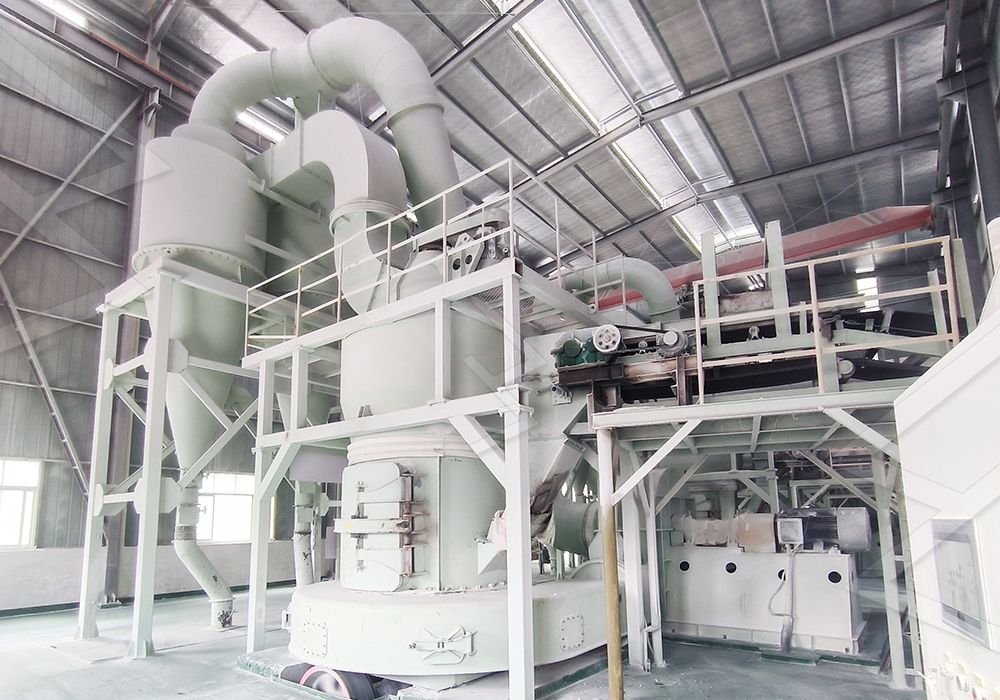
Key Factors in Coal Mill Selection
When evaluating mills for bituminous coal, several factors must be prioritized. The volatile nature and specific grindability of bituminous coal demand equipment that ensures safety, consistency, and energy efficiency.
- Grinding Efficiency & Energy Consumption: The primary goal is to achieve the desired fineness (typically 75-85% passing 200 mesh for combustion) with minimal energy expenditure. Mills that offer integrated drying capabilities are particularly advantageous for coal with inherent moisture.
- System Reliability & Maintenance: Downtime is costly. Equipment designed for easy access to wear parts, robust construction, and stable operation under variable feed conditions is essential.
- Environmental Compliance: Modern operations must control dust emissions and noise. A mill system with an integrated, efficient dust collection system is no longer optional but a standard requirement.
- Product Fineness Control: The ability to precisely and consistently control the final product’s particle size distribution is crucial for optimizing combustion efficiency.
Advanced Mill Technologies for Superior Performance
While traditional ball mills and Raymond mills have been workhorses in the industry, newer technologies offer significant advancements in efficiency and control. For operations seeking to maximize their output and minimize their operational footprint, vertical roller mills and ultra-fine grinding systems represent the next generation of coal preparation.
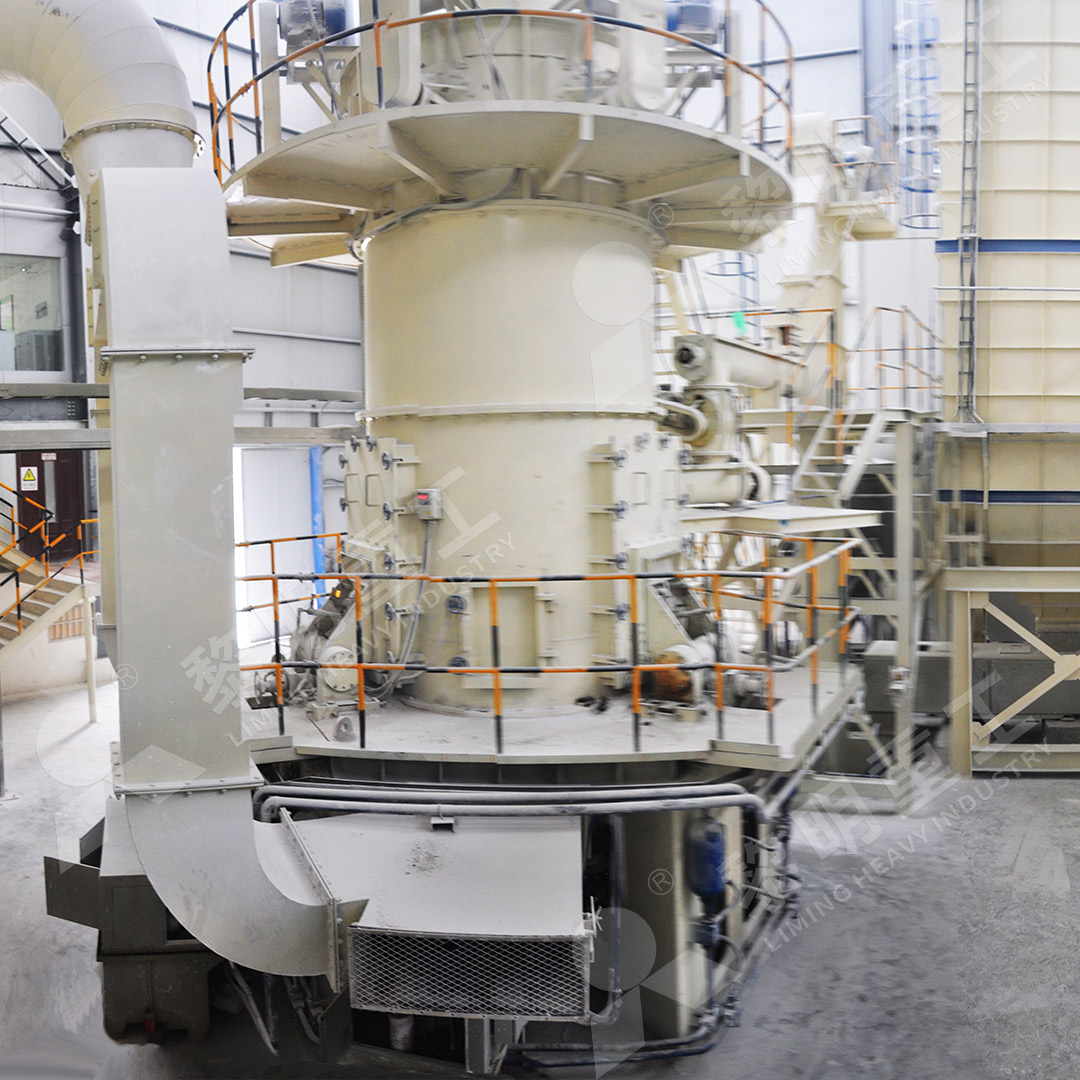
Among the leading options, our MW Ultrafine Grinding Mill stands out for operations requiring very fine or consistent pulverization of bituminous coal. With an input size of 0-20 mm and a capacity range of 0.5-25 tph, it is engineered for high performance. Its design eliminates rolling bearings and screws within the grinding chamber, a feature that drastically reduces maintenance concerns and the risk of mechanical failure. The mill’s cage-type powder selector, incorporating German technology, allows for precise fineness adjustment between 325-2500 meshes. Furthermore, its higher yielding and lower energy consumption—up to 40% higher capacity than jet mills with system energy consumption only 30% of jet mills—make it an economically and environmentally sound choice. The inclusion of an efficient pulse dust collector ensures the entire process meets stringent environmental standards.
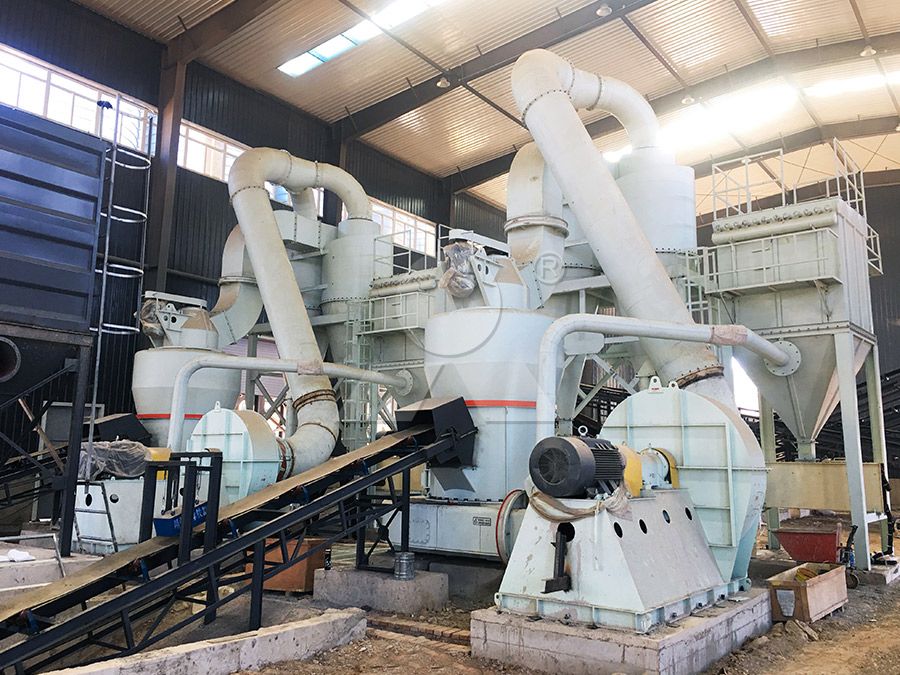
For high-capacity applications involving bituminous coal, the LM Vertical Coal Mill is another exceptional solution. It integrates crushing, drying, grinding, and classifying in a single unit, significantly reducing the overall footprint. Its special grinding roller and table design provide high grinding efficiency, saving 40%-50% power compared to traditional ball mills. The system operates under negative pressure, preventing dust spillage and ensuring a clean working environment.
Making the Informed Choice
The final selection should be based on a comprehensive analysis of your specific feedstock characteristics, desired throughput, product specifications, and site constraints. Partnering with a manufacturer that offers robust technical support and a reliable supply of genuine spare parts is as important as the hardware itself.
Frequently Asked Questions (FAQ)
What is the primary advantage of a vertical roller mill over a ball mill for coal grinding?
Vertical roller mills offer significantly higher energy efficiency (30-50% less power consumption), integrated drying capability for moist coal, a smaller physical footprint, and more precise control over product fineness compared to traditional ball mills.
How important is the drying capacity when milling bituminous coal?
It is critically important. Bituminous coal often contains surface moisture that must be removed for efficient grinding and combustion. Mills with integrated hot air sources simplify the process, eliminating the need for a separate dryer and reducing overall system complexity and cost.
Can the MW Ultrafine Grinding Mill handle the abrasiveness of bituminous coal?
Yes. The MW Mill is designed with wear-resistant materials and an innovative chamber design that avoids critical failure points like internal bearings and screws. This makes it highly suitable for the abrasive nature of bituminous coal, ensuring longer service life and reduced maintenance.
What environmental features should I look for in a modern coal mill?
Look for a fully enclosed system that operates under negative pressure to prevent dust leakage, an integrated high-efficiency pulse jet dust collector, and noise reduction measures like mufflers and soundproofing rooms to comply with environmental regulations.