
Cyanide Gold Processing Mini Plant Grinding Mill China: Cost & Supplier Guide
We provide a wide range of mills — including Raymond mill, trapezoidal mill, vertical mill, ultrafine mill, and ball mill, obtained ISO9001 international quality certification, EU CE certification, and Customs Union CU-TR certification. Suitable for processing minerals such as limestone, phosphate, quicklime, kaolin, talc, barite, bentonite, calcium carbonate, dolomite, coal, gypsum, clay, carbon black, slag, cement raw materials, cement clinker, and more.
The discharge range of these mills can be adjusted to meet specific processing needs, typically from 80-400 mesh, 600-3250 mesh, and can achieve the finest particle size of up to 6000 mesh(D50).
If you are looking for a reliable grinding solution to turn stone or minerals into fine powder, please feel free to contact our online customer service.
Cyanide Gold Processing Mini Plant Grinding Mill China: Cost & Supplier Guide
For small to medium scale mining operations, setting up an efficient and cost-effective cyanide gold processing plant requires careful consideration of the grinding mill – the heart of the liberation process. The right mill directly impacts leach recovery rates, operational costs, and overall profitability. This guide explores key factors for selecting a grinding mill for your mini plant in the Chinese market.
The Critical Role of Grinding in Cyanidation
Optimal gold recovery via cyanide leaching hinges on achieving the perfect particle size. Over-grinding consumes excessive energy and can create slimes that hinder percolation or filtration. Under-grinding leaves gold locked inside host rock, preventing contact with the leaching solution. A reliable, efficient grinding mill is non-negotiable.
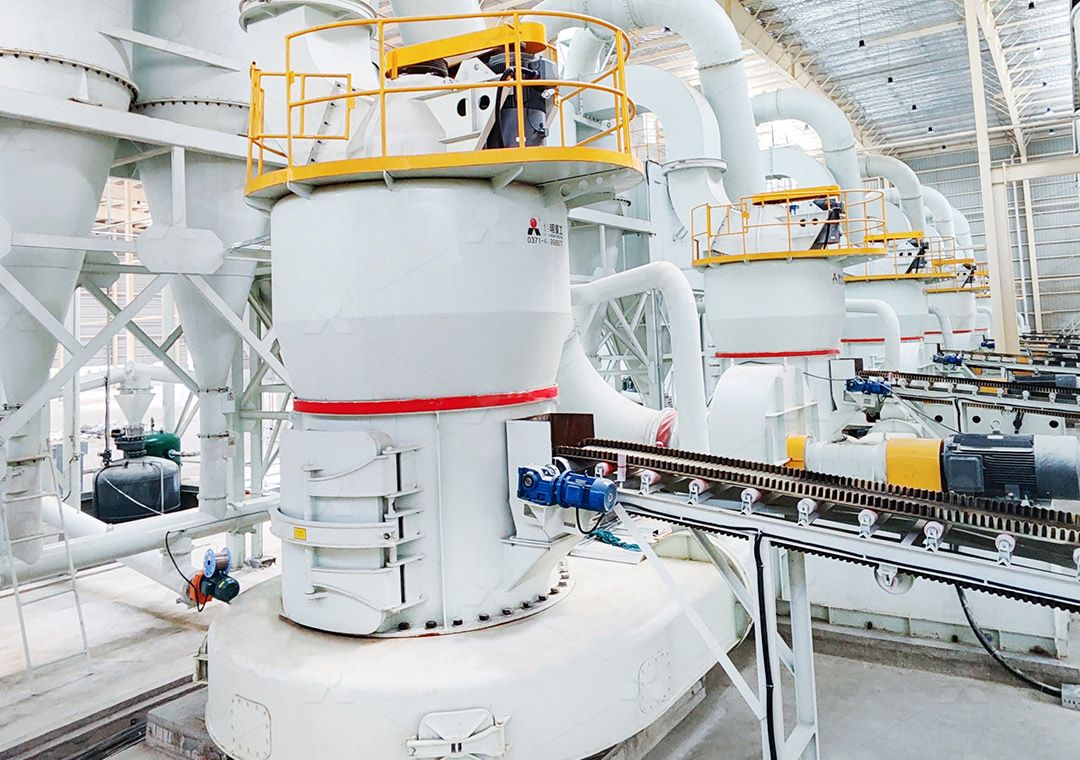
Key Considerations When Choosing a Mill
For a mini plant, your mill selection should balance capacity, energy consumption, footprint, and maintenance needs. Key questions to ask:
- Feed Size & Capacity: Match the mill’s input size (e.g., 0-20mm) and throughput (e.g., 0.5-25 tph) to your crusher output and daily production goals.
- Power Consumption: Energy is a major ongoing cost. Look for modern designs that offer significantly lower kWh/t than traditional ball mills.
- Fineness Control: The ability to precisely adjust the final product fineness (e.g., between 325-2500 meshes) is crucial for optimizing leach kinetics.
- Dust & Noise: Mini plants are often closer to communities. Choose a mill with integrated dust collection and noise reduction features for better environmental compliance.
- Maintenance & Spares: Simpler designs with external lubrication and easy access to wear parts reduce downtime, which is critical for continuous operations.
Featured Mill for Mini Gold Plants: MW Ultrafine Grinding Mill
Based on the typical needs of a compact cyanidation circuit, we highly recommend considering our MW Ultrafine Grinding Mill. It’s engineered specifically for operations that need to produce ultra-fine powder efficiently and reliably.
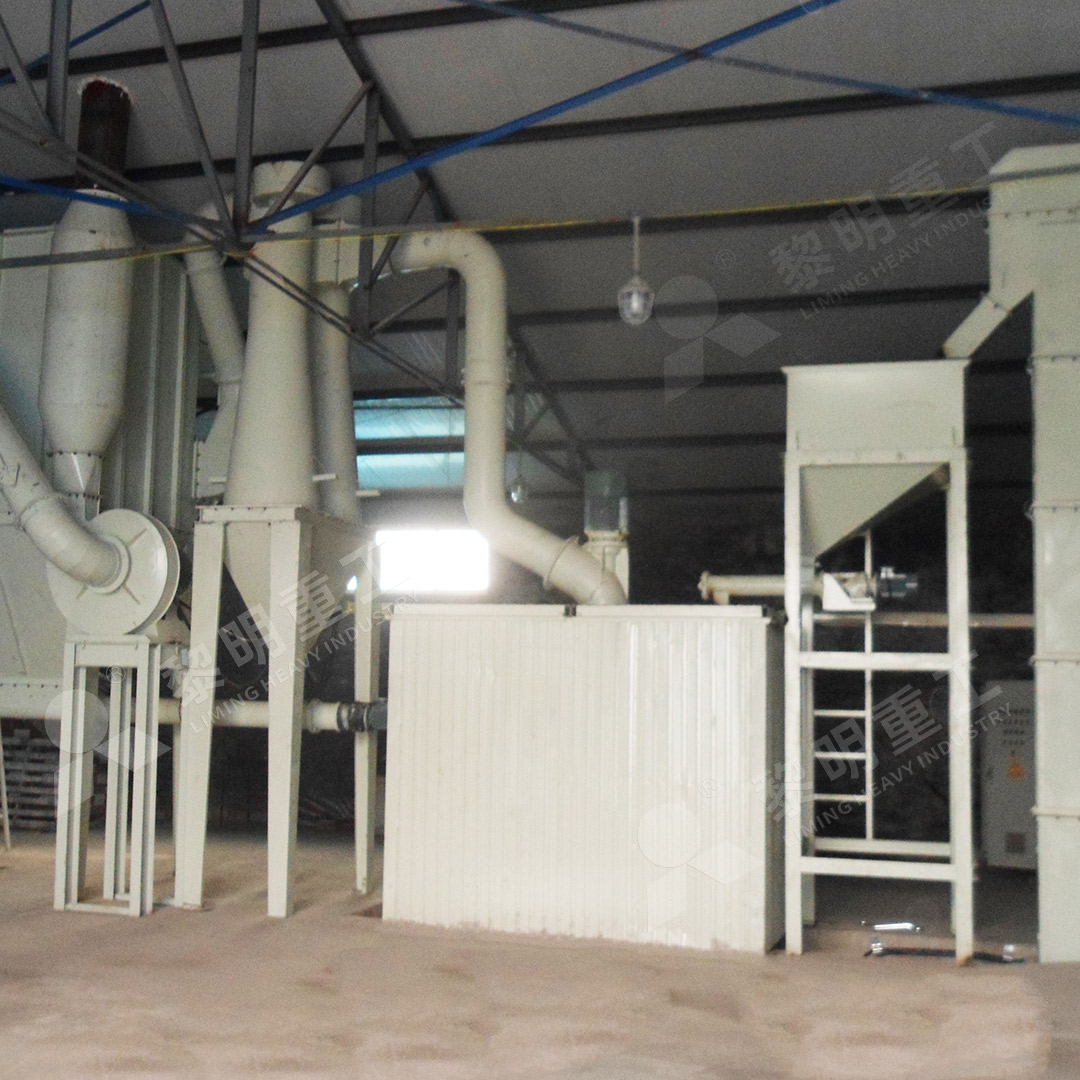
Why it’s a strong fit for gold processing:
- Higher Yielding, Lower Energy: Its innovative grinding curve design delivers 40% higher capacity than jet mills and double the yield of ball mills, while slashing energy use by up to 70%. This directly translates to lower cost per ton of ore ground.
- Precise Fineness Adjustment (325-2500 meshes): The German-tech cage-type powder selector allows you to dial in the exact fineness needed to maximize gold liberation without over-grinding, a key to efficient cyanide consumption.
- Robust & Simple Design: A standout feature is the absence of rolling bearings and screws inside the grinding chamber. This eliminates common failure points and machine damage from loose parts, ensuring much greater operational reliability for remote sites.
- Eco-Friendly Operation: The integrated pulse dust collector ensures no dust pollution, while the silencer keeps noise levels low – making it easier to get permitting and maintain good community relations.
With an input size of 0-20 mm and a capacity range of 0.5-25 tph, the MW series is perfectly scaled for mini-plants processing a variety of gold ores.
Understanding Costs & Selecting a Supplier
The initial mill cost is just one part of the equation. Focus on the Total Cost of Ownership (TCO), which includes energy, liner and roller consumption, maintenance labor, and downtime.
When evaluating Chinese suppliers, look for:
- In-House Manufacturing: Companies that control production can guarantee quality and provide genuine, readily available spare parts.
- Test Facilities: Reputable suppliers often offer to test your ore sample to prove mill performance before purchase.
- Technical Support: Ensure they provide comprehensive installation guidance, operational training, and after-sales support.
Conclusion
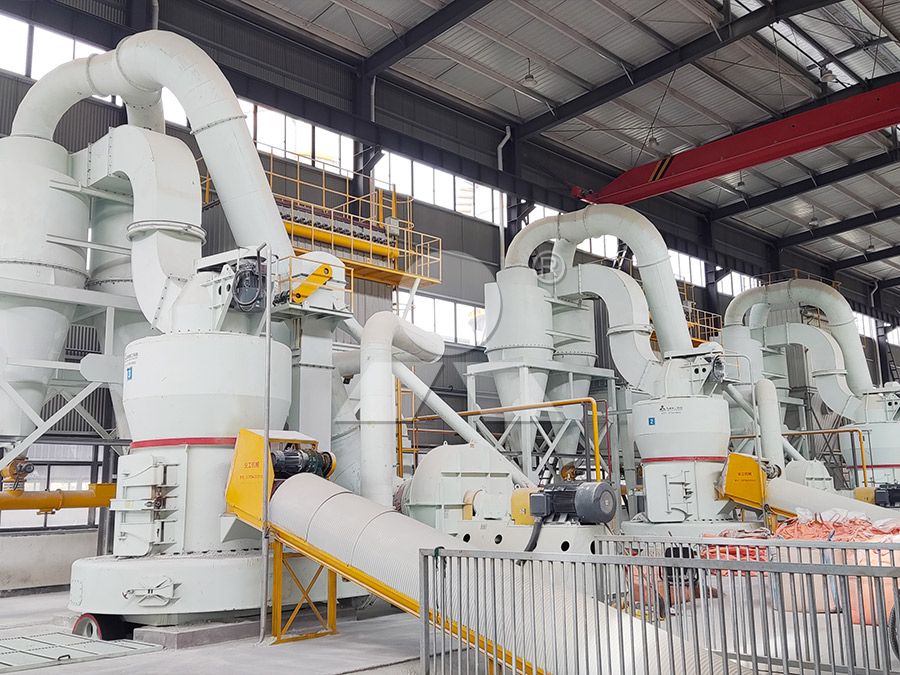
Selecting the right grinding mill is a pivotal decision for the economics of your cyanide gold mini plant. By prioritizing energy efficiency, maintenance simplicity, and precise fineness control—exemplified by mills like the MW Ultrafine Grinding Mill—you can build a foundation for high recovery rates and sustainable, profitable operation. Partner with a supplier that offers robust equipment and reliable support to ensure your project’s long-term success.