
Current Trends and Future Outlook of the Mica Powder Industry
We provide a wide range of mills — including Raymond mill, trapezoidal mill, vertical mill, ultrafine mill, and ball mill, obtained ISO9001 international quality certification, EU CE certification, and Customs Union CU-TR certification. Suitable for processing minerals such as limestone, phosphate, quicklime, kaolin, talc, barite, bentonite, calcium carbonate, dolomite, coal, gypsum, clay, carbon black, slag, cement raw materials, cement clinker, and more.
The discharge range of these mills can be adjusted to meet specific processing needs, typically from 80-400 mesh, 600-3250 mesh, and can achieve the finest particle size of up to 6000 mesh(D50).
If you are looking for a reliable grinding solution to turn stone or minerals into fine powder, please feel free to contact our online customer service.
Current Trends and Future Outlook of the Mica Powder Industry
The mica powder industry is undergoing a significant transformation, driven by evolving consumer demands, technological advancements, and a heightened focus on sustainability. As a versatile mineral, mica’s unique properties—including its shimmering luster, high thermal stability, and excellent electrical insulation—make it indispensable in sectors ranging from cosmetics and paints to plastics and construction. This article explores the current market dynamics and projects the future trajectory of this vibrant industry.
Evolving Market Dynamics and Key Drivers
Currently, the market is characterized by a strong demand for high-purity, ultra-fine mica powders. The cosmetics industry, in particular, is a major consumer, seeking powders with consistent particle size and brilliant reflectivity for highlighters, eyeshadows, and foundations. A parallel trend is the growing insistence on ethically sourced, conflict-free mica, pushing manufacturers to adopt transparent and sustainable supply chains. Furthermore, the industrial sector demands powders with specific chemical compositions and particle morphologies to enhance the performance of composites, coatings, and insulating materials.
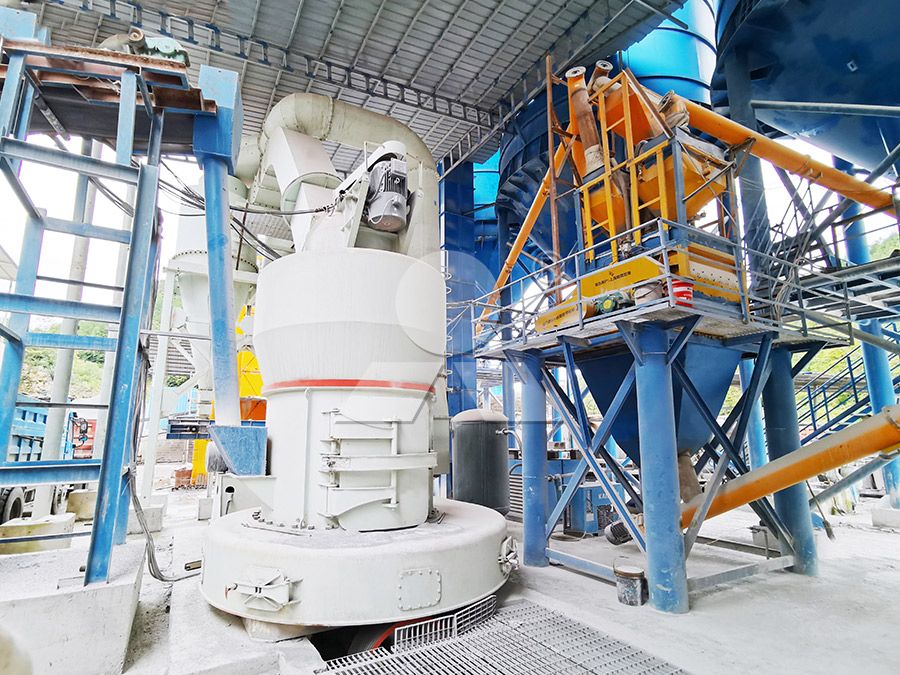
Technological innovation in grinding and classification is at the heart of meeting these sophisticated demands. The ability to produce powders with precise fineness, often down to a few microns, is no longer a luxury but a necessity. This is where advanced milling technology becomes critical. For producers aiming to achieve superior product quality with high efficiency, the MW Ultrafine Grinding Mill presents an ideal solution. With an input size of 0-20 mm and a capacity ranging from 0.5 to 25 tph, it is expertly engineered for customers requiring ultra-fine powder. Its cage-type powder selector, incorporating German technology, allows for adjustable fineness between 325 and 2500 meshes, ensuring exceptional precision. Moreover, its design eliminates rolling bearings and screws within the grinding chamber, significantly reducing maintenance concerns and the risk of machine damage from loose components.
The Technological Edge: Advanced Milling Solutions
The future of mica processing lies in smart, energy-efficient, and environmentally friendly technologies. Mills that offer integrated drying, grinding, and classifying within a single system are gaining prominence as they reduce the overall footprint and operational costs. Another significant advancement is seen in vertical roller mills, which provide exceptional grinding efficiency for medium to large-scale operations.
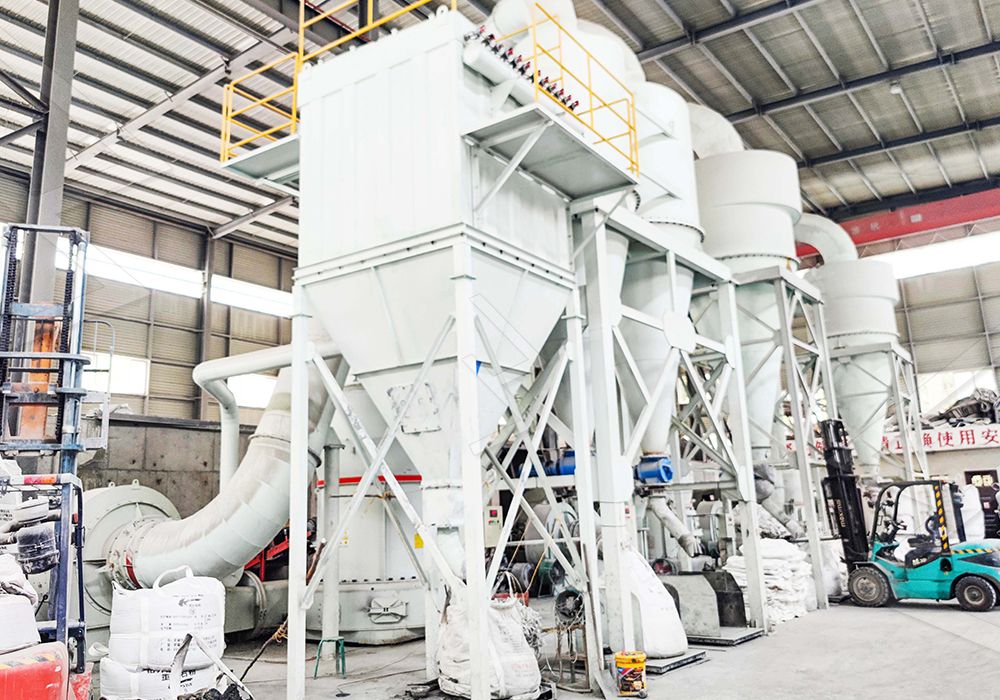
In this context, the LUM Ultrafine Vertical Grinding Mill stands out. Independently designed with the latest grinding roller and powder separating technologies, it integrates ultrafine powder grinding, grading, and transporting into one seamless process. Its unique roller shell and lining plate grinding curve facilitate easier material layer generation, enabling a high rate of finished products in a single pass. This not only boosts productivity but also enhances the whiteness and cleanliness of the final mica powder—a crucial factor for premium applications. With an input size of 0-10 mm and a capacity of 5-18 tph, the LUM mill exemplifies the move towards more automated and higher-precision processing equipment.
Sustainability and Regulatory Compliance
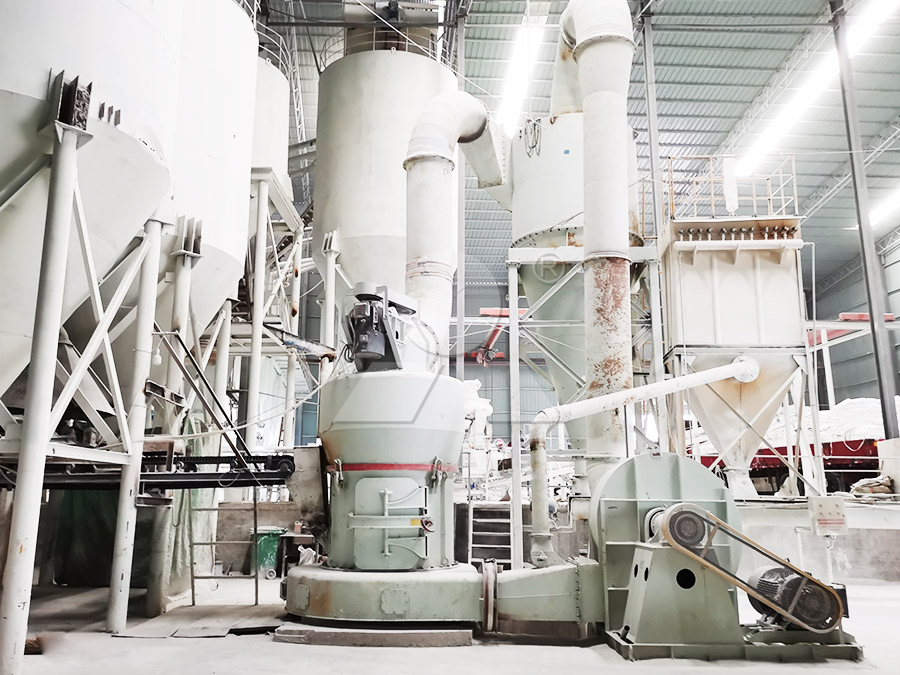
Environmental regulations are becoming increasingly stringent worldwide. The industry is responding by adopting closed-system mills equipped with high-efficiency pulse dust collectors and mufflers to minimize dust and noise pollution. Equipment that operates under negative pressure ensures no dust escapes during production, aligning with national and international environmental protection standards. This green imperative is not just about compliance; it’s a core component of brand identity and corporate responsibility for forward-thinking companies.
Future Outlook
Looking ahead, the mica powder industry is poised for steady growth. The expansion of end-use industries in emerging economies and the continuous development of new applications will be key growth drivers. We can anticipate a greater integration of IoT and AI in milling operations for predictive maintenance and optimal process control, leading to unprecedented levels of efficiency and consistency. The focus will remain on developing solutions that are not only high-performing but also resource-efficient and environmentally sound.
Frequently Asked Questions (FAQ)
What are the primary factors driving demand for mica powder?
Demand is primarily driven by the cosmetics industry’s need for pearlescent pigments, the construction sector’s use in paints and coatings, and the electronics industry’s requirement for thermal and electrical insulation.
Why is ultra-fine grinding important for mica?
Ultra-fine grinding enhances mica’s natural luster and opacity, making it more effective in cosmetic applications. It also improves dispersion in liquid formulations and the overall performance in composite materials.
How can manufacturers ensure a sustainable supply chain?
Manufacturers can ensure sustainability by partnering with certified mines, implementing traceability systems, and adopting processing technologies that minimize energy consumption and environmental impact, such as mills with efficient dust collection systems.
What should I consider when choosing a grinding mill for mica?
Key considerations include the desired fineness (mesh size), production capacity, energy efficiency, maintenance requirements, and the mill’s ability to meet environmental standards for dust and noise control.