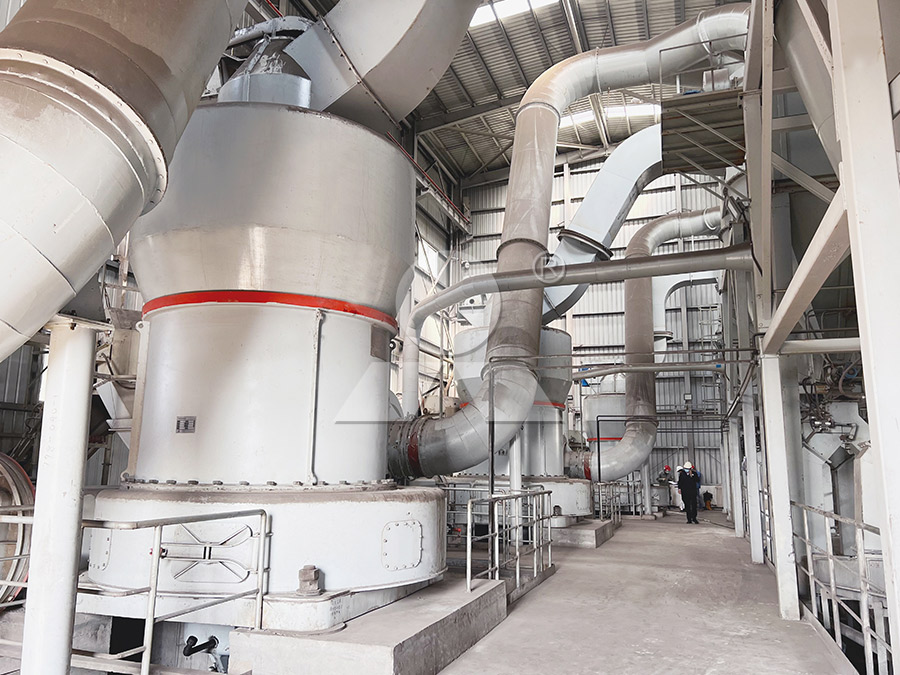
Current Price of German Grinding Mill Models in 2024
We provide a wide range of mills — including Raymond mill, trapezoidal mill, vertical mill, ultrafine mill, and ball mill, obtained ISO9001 international quality certification, EU CE certification, and Customs Union CU-TR certification. Suitable for processing minerals such as limestone, phosphate, quicklime, kaolin, talc, barite, bentonite, calcium carbonate, dolomite, coal, gypsum, clay, carbon black, slag, cement raw materials, cement clinker, and more.
The discharge range of these mills can be adjusted to meet specific processing needs, typically from 80-400 mesh, 600-3250 mesh, and can achieve the finest particle size of up to 6000 mesh(D50).
If you are looking for a reliable grinding solution to turn stone or minerals into fine powder, please feel free to contact our online customer service.
Navigating the 2024 German Grinding Mill Market
The landscape for industrial grinding equipment in 2024 is dynamic, with prices influenced by global supply chains, material costs, and technological advancements. German-engineered mills continue to be a benchmark for precision, reliability, and efficiency in mineral processing and powder production. While providing exact price tags is challenging due to custom configurations and fluctuating raw material markets, we can outline the key value propositions and technological trends that define the current cost structure.
Key Factors Influencing Grinding Mill Prices
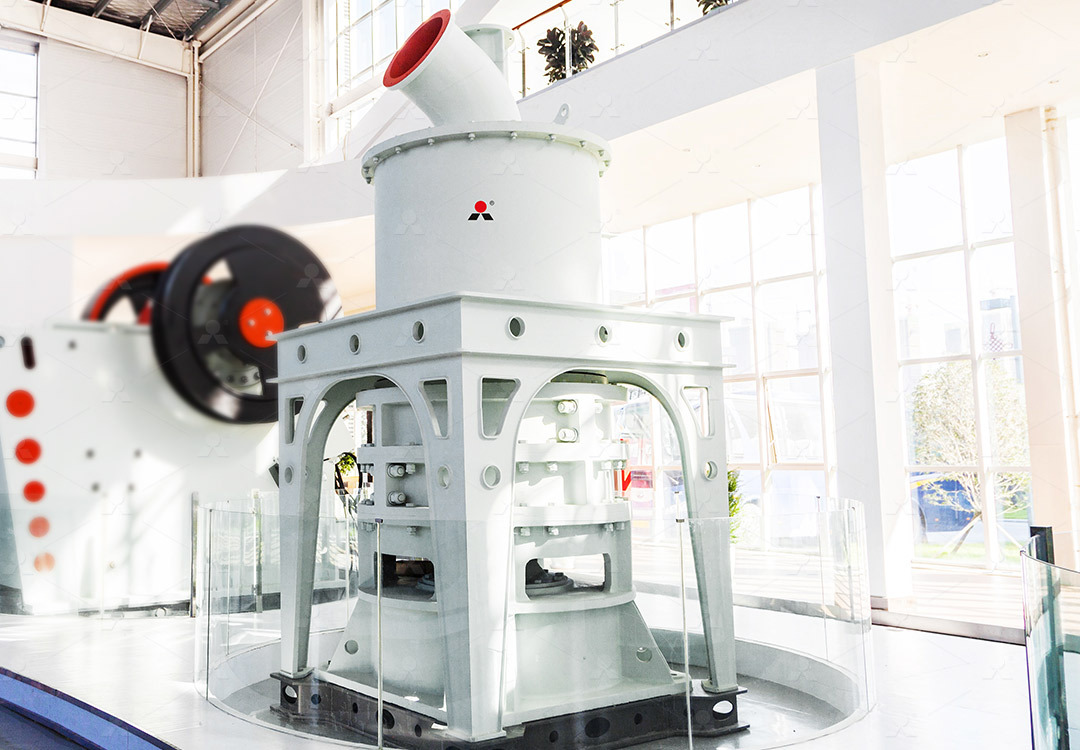
Several core elements directly impact the final investment for a new grinding system. The primary cost drivers include the mill’s capacity (tph), the fineness of the required product, the abrasiveness of the material, and the level of automation and environmental controls integrated. Mills boasting advanced German powder separating technology, like our own MW Ultrafine Grinding Mill, often command a premium due to their superior efficiency and lower long-term operating costs. This model, with an input size of 0-20 mm and a capacity range of 0.5-25 tph, is a prime example of modern engineering designed for ultra-fine powder production with minimal environmental impact.
Beyond the initial purchase price, savvy operators are increasingly focused on Total Cost of Ownership (TCO). This includes energy consumption, maintenance downtime, and spare part availability. A mill that consumes 30-40% less energy, like many modern vertical mills, can offset a higher initial price within a surprisingly short operational period. Furthermore, features such as external lubrication systems and designs that eliminate rolling bearings in the grinding chamber drastically reduce maintenance costs and unplanned shutdowns.
Spotlight on Advanced Models: The LIMING MW Series
For operations requiring exceptional fineness between 325-2500 meshes, the MW Ultrafine Grinding Mill represents a significant technological leap. Its cage-type powder selector, leveraging German tech, ensures high precision in powder separation. A standout feature is the absence of rolling bearings and screws within the grinding chamber, virtually eliminating common failure points and associated repair costs. This design philosophy, combined with an efficient pulse dust collector, ensures the entire production process is not only efficient but also exceptionally clean and compliant with stringent environmental standards.
Beyond Ultrafine: The Versatile LUM Vertical Mill
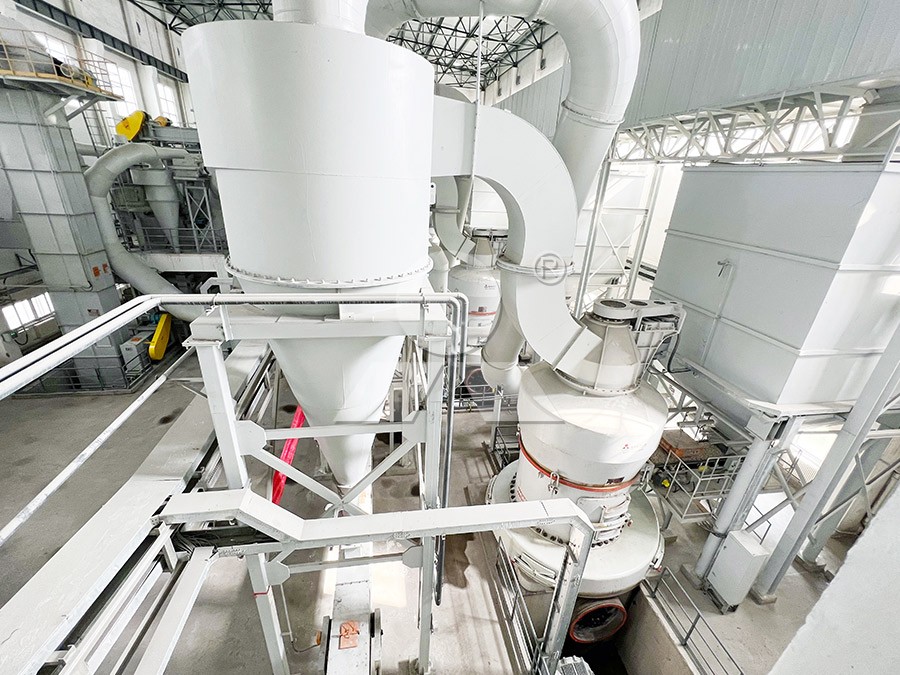
For applications demanding a different approach, the LUM Ultrafine Vertical Grinding Mill offers another compelling option. Integrating the latest grinding roller and powder separating technologies, it excels in processing non-metal ores. Its reversible structure is a game-changer for maintenance, allowing operators to easily move the grinding roller out of the body for inspection and part replacement, significantly reducing downtime and labor costs. This focus on serviceability is a critical factor in its overall value proposition.
In conclusion, while the 2024 market sees a wide range of prices for German-designed grinding mills, the focus has decisively shifted from mere initial cost to long-term value, efficiency, and sustainability. Investing in advanced technology from reputable manufacturers like LIMING, which guarantees sufficient supply of original spare parts and technical support, proves to be the most cost-effective strategy for serious operations aiming for peak performance and minimal operational disruption.