Crushing with Grinder for Gold Equipment: A Complete Guide
We provide a wide range of mills — including Raymond mill, trapezoidal mill, vertical mill, ultrafine mill, and ball mill, obtained ISO9001 international quality certification, EU CE certification, and Customs Union CU-TR certification. Suitable for processing minerals such as limestone, phosphate, quicklime, kaolin, talc, barite, bentonite, calcium carbonate, dolomite, coal, gypsum, clay, carbon black, slag, cement raw materials, cement clinker, and more.
The discharge range of these mills can be adjusted to meet specific processing needs, typically from 80-400 mesh, 600-3250 mesh, and can achieve the finest particle size of up to 6000 mesh(D50).
If you are looking for a reliable grinding solution to turn stone or minerals into fine powder, please feel free to contact our online customer service.
Crushing with Grinder for Gold Equipment: A Complete Guide
When it comes to extracting gold from ore, having the right grinding equipment is absolutly crucial. The process of crushing and grinding gold-bearing material requires machines that are not only efficient but also reliable and capable of producing ultra-fine powders for maximum recovery. In this guide, we’ll walk you through the essentials of selecting and operating grinding mills for gold processing, and highlight some top-tier equipment that can make all the difference.
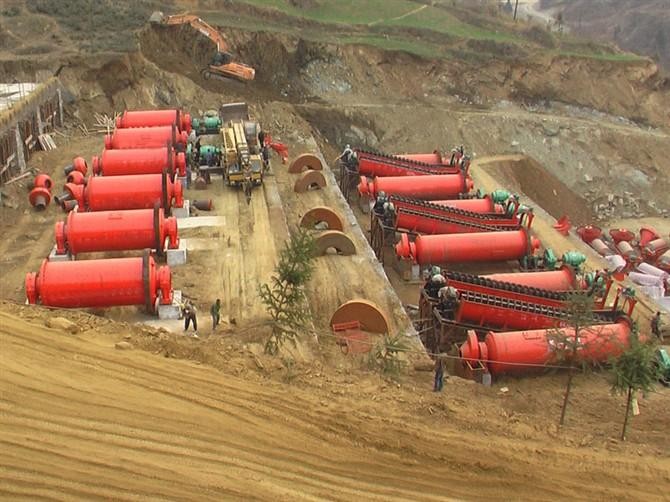
Gold ore often requires fine grinding to liberate the precious metal particles from the surrounding rock. Traditional methods might use ball mills or Raymond mills, but for higher efficiency and finer outputs, advanced grinding solutions are now prefered. The key is to achieve the desired fineness with lower energy consumption and minimal maintenance.
Why Ultrafine Grinding Matters for Gold
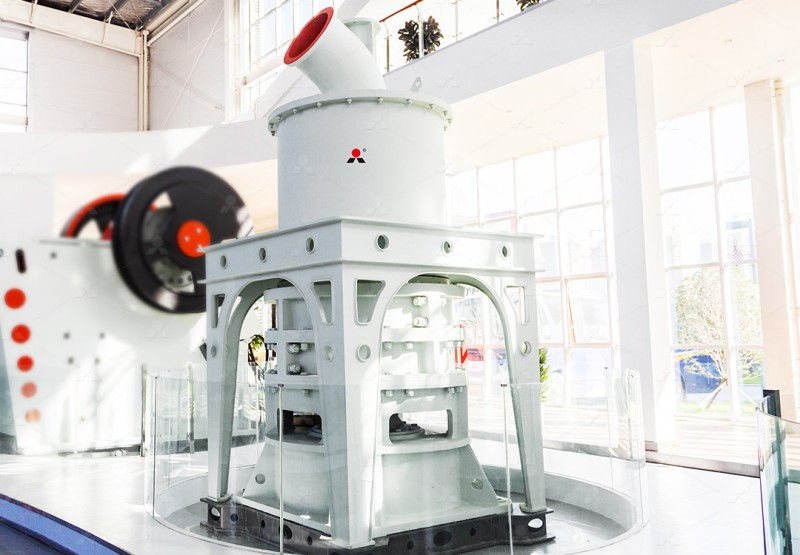
Ultrafine grinding can significantly enhance gold recovery rates. By reducing the ore to very fine particles, you increase the surface area, making it easier for chemical processes like cyanidation to extract the gold. This is where machines like the MW Ultrafine Grinding Mill shine. With an input size of 0-20 mm and a capacity ranging from 0.5 to 25 tph, this mill is designed for customers who need to make ultra-fine powder. It’s equipped with an efficient pulse dust collector and muffler, reducing dust and noise, making the whole production process more environmentally friendly. The fineness can be adjusted between 325-2500 meshes, which is ideal for gold ore processing.
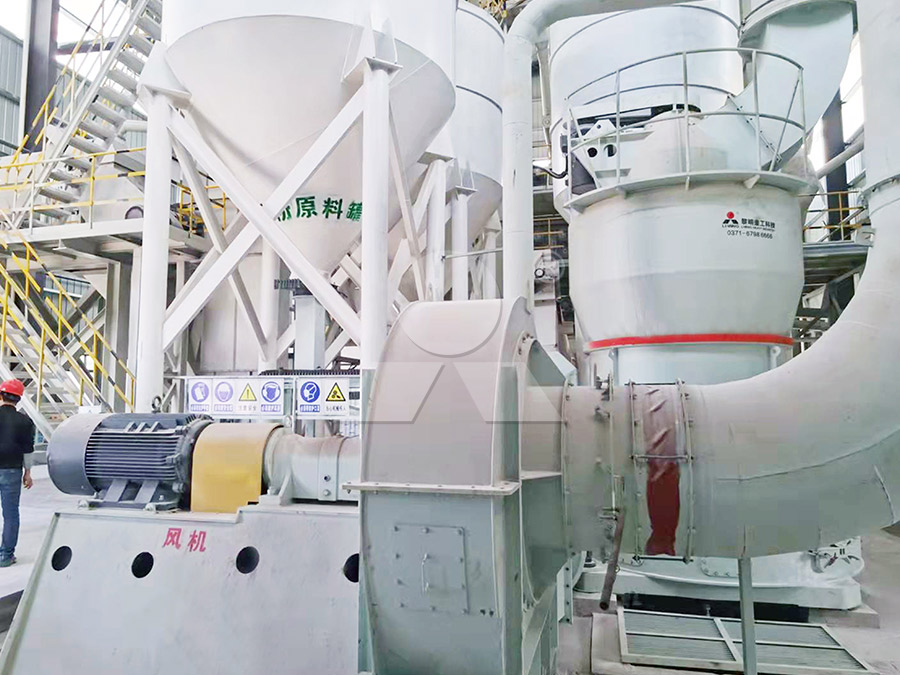
Another excellent choice is the LUM Ultrafine Vertical Grinding Mill. It handles an input size of 0-10 mm with a capacity of 5-18 tph. This mill integrates ultrafine powder grinding, grading, and transporting, and it’s particularly good for superfine dry powder of non-metal ores. Its higher yielding rate and better quality output, thanks to unique roller shell and lining plate grinding curves, make it a standout for gold applications where purity and efficiency are paramount.
Features to Look For in Gold Grinding Equipment
When selecting a grinder for gold, consider energy consumption, fineness control, and operational stability. The MW mill, for instance, offers higher yielding with lower energy consumption—40% higher capacity than jet mills and twice that of ball mills, with system energy consumption only 30% of jet mills. Its no rolling bearing and screw design in the grinding chamber means fewer worries about mechanical failures.
For operations that value automation and ease of maintenance, the LUM mill’s reversible structure allows easy access for checks and replacements, reducing downtime. Both mills are supported by Liming’s extensive technical services and original spare parts, ensuring worry-free operation.
Conclusion
Choosing the right grinding equipment is essential for efficient gold extraction. Whether you opt for the MW Ultrafine Grinding Mill for its adjustable fineness and eco-friendly features, or the LUM Ultrafine Vertical Grinding Mill for its energy-saving multi-head powder separating technology, both are designed to meet the demanding needs of gold processing. Always ensure proper maintenance and leverage the manufacturer’s support for optimal performance.