
Crusher and Mill for Crushing Chalk: Price Guide and Equipment Selection
We provide a wide range of mills — including Raymond mill, trapezoidal mill, vertical mill, ultrafine mill, and ball mill, obtained ISO9001 international quality certification, EU CE certification, and Customs Union CU-TR certification. Suitable for processing minerals such as limestone, phosphate, quicklime, kaolin, talc, barite, bentonite, calcium carbonate, dolomite, coal, gypsum, clay, carbon black, slag, cement raw materials, cement clinker, and more.
The discharge range of these mills can be adjusted to meet specific processing needs, typically from 80-400 mesh, 600-3250 mesh, and can achieve the finest particle size of up to 6000 mesh(D50).
If you are looking for a reliable grinding solution to turn stone or minerals into fine powder, please feel free to contact our online customer service.
Crusher and Mill for Crushing Chalk: Price Guide and Equipment Selection
Chalk, a soft, white, porous sedimentary rock, is a form of limestone composed primarily of calcite. Its primary use is in manufacturing plaster, cement, and quicklime, but it’s also widely used in education and arts. For industrial applications, chalk must be crushed and ground into a fine powder. Selecting the right crushing and milling equipment is crucial for efficiency, product quality, and operational cost. This guide will walk you through the key considerations and introduce a premier solution for ultra-fine chalk powder production.
Understanding the Chalk Processing Workflow
The processing of chalk typically involves two main stages: primary crushing and fine grinding. Primary crushers, like jaw crushers, break down large chunks of raw chalk into smaller, manageable pieces (usually below 20-25mm). The second stage, fine grinding, is where the material is reduced to its final powder form. The choice of mill depends heavily on the desired fineness (mesh size) and the required capacity (tons per hour).
Key Factors in Equipment Selection
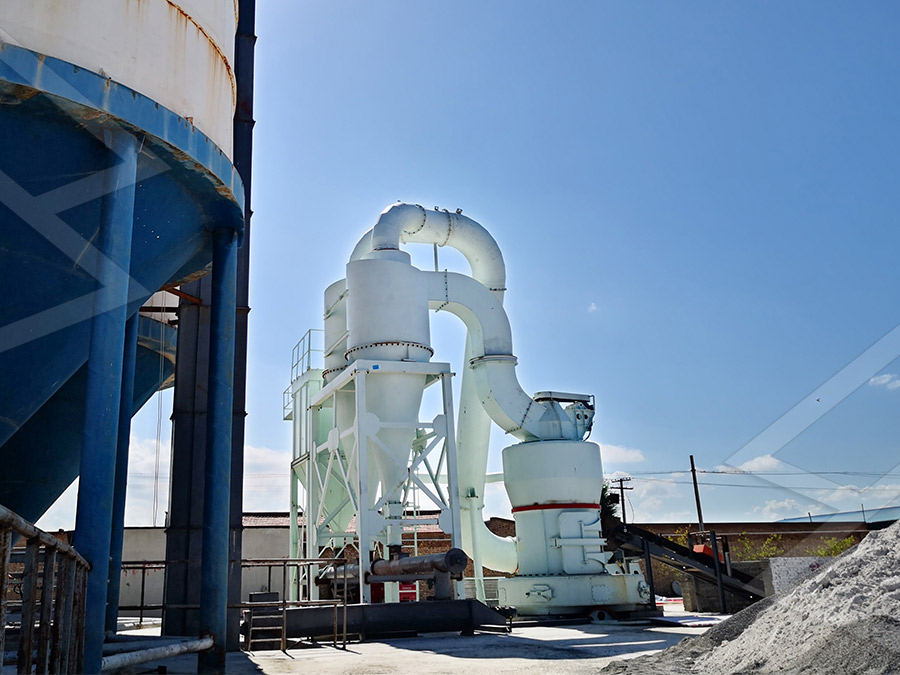
When selecting machinery for chalk, several factors come into play. First is the input size and desired output fineness. Chalk is soft, so extremely high-pressure grinding isn’t always necessary, but achieving a consistent, ultra-fine powder requires precision. Second is capacity; you need a machine that can handle your production volume. Third, and increasingly important, are environmental considerations like dust and noise pollution. Finally, operational costs, including energy consumption and maintenance, directly impact your bottom line.
Recommended Solution: MW Ultrafine Grinding Mill
For operations requiring high-quality, ultra-fine chalk powder, the MW Ultrafine Grinding Mill stands out as an exceptional choice. This machine is specifically engineered for customers who need to make 325-2500 mesh powders efficiently and cleanly.
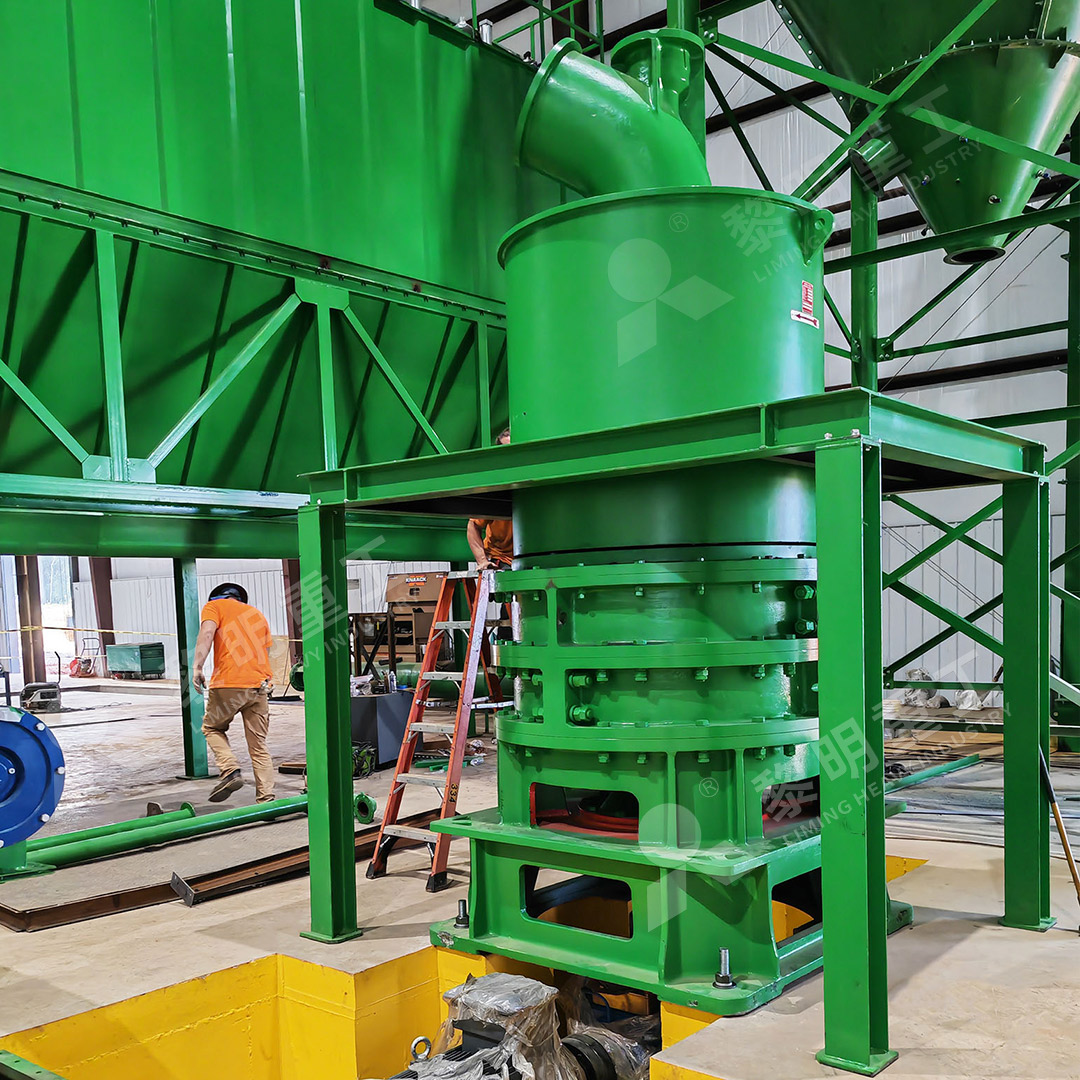
Here’s why it’s ideal for chalk:
- Superior Efficiency: Its newly designed grinding curves enhance efficiency, offering production capacity 40% higher than jet mills and twice that of ball mills, while consuming 30% less energy. With an input size of 0-20mm and a capacity range of 0.5-25 tph, it’s versatile for various project scales.
- Precise Fineness Control: A German-technology, cage-type powder selector allows you to accurately adjust the product fineness between 325 and 2500 meshes, achieving a superb screening rate of d97≤5μm in a single pass.
- Robust and Low-Maintenance Design: A significant advantage is the absence of rolling bearings and screws in the grinding chamber. This eliminates common failure points and worries about loose screws causing damage. External lubrication allows for maintenance without shutdowns.
- Eco-Friendly Operation: Chalk processing can be dusty. The MW Mill is equipped with an efficient pulse dust collector and muffler, ensuring no dust pollution and significantly reducing noise, making the entire process compliant with national environmental standards.
Pricing Considerations
It’s difficult to quote an exact price as it varies based on model size, configuration, and market factors. Generally, advanced mills like the MW series represent a higher initial investment compared to simpler Raymond or ball mills. However, this cost is quickly offset by dramatically lower energy consumption, reduced maintenance downtime, and higher output quality, leading to a better long-term return on investment (ROI). Always request a formal quotation based on your specific capacity and fineness requirements.
Conclusion
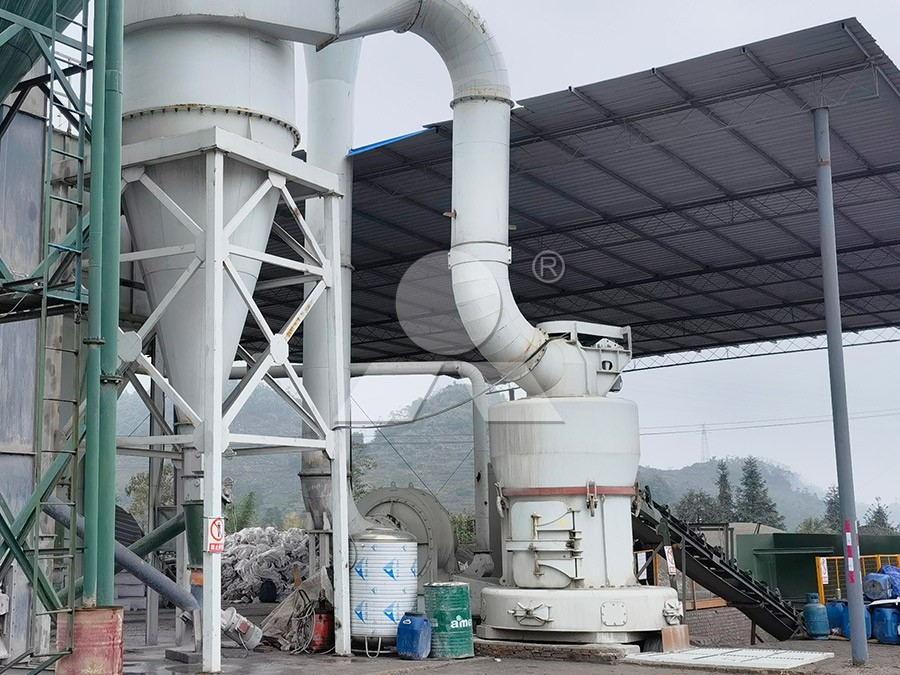
Choosing the right equipment for crushing and grinding chalk is a balance between technical requirements, operational costs, and environmental responsibility. While several mills can handle the task, the MW Ultrafine Grinding Mill provides a technologically advanced, efficient, and clean solution for producing high-value ultra-fine chalk powder. Its design prioritizes productivity, precision, and worry-free operation, making it a smart investment for serious producers looking to optimize their chalk processing line.