Cost Structure Analysis of Dolomite Powder Production: Key Factors and Breakdown
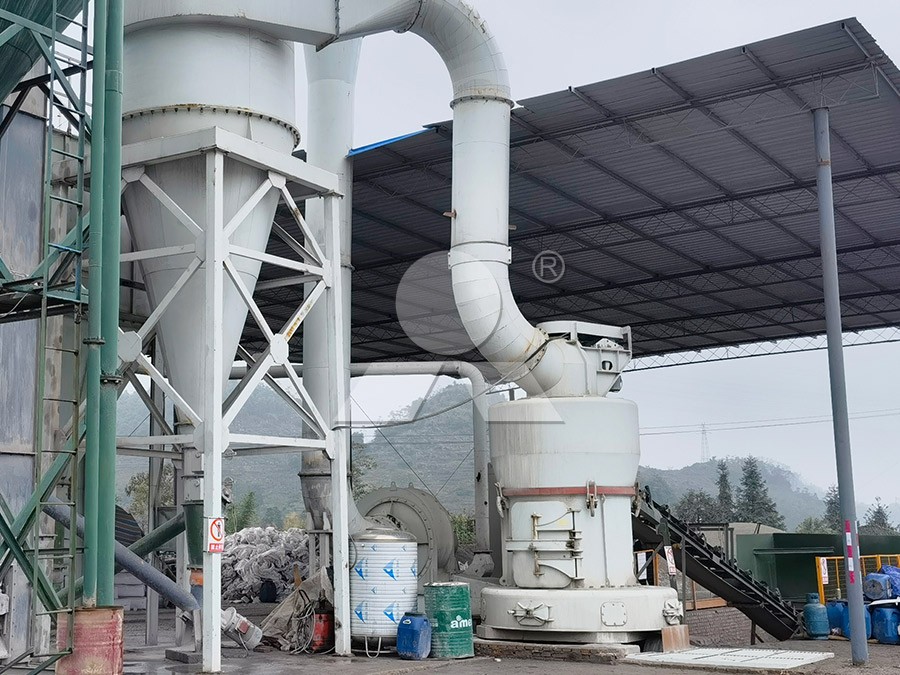
We provide a wide range of mills — including Raymond mill, trapezoidal mill, vertical mill, ultrafine mill, and ball mill, obtained ISO9001 international quality certification, EU CE certification, and Customs Union CU-TR certification. Suitable for processing minerals such as limestone, phosphate, quicklime, kaolin, talc, barite, bentonite, calcium carbonate, dolomite, coal, gypsum, clay, carbon black, slag, cement raw materials, cement clinker, and more.
The discharge range of these mills can be adjusted to meet specific processing needs, typically from 80-400 mesh, 600-3250 mesh, and can achieve the finest particle size of up to 6000 mesh(D50).
If you are looking for a reliable grinding solution to turn stone or minerals into fine powder, please feel free to contact our online customer service.
Cost Structure Analysis of Dolomite Powder Production: Key Factors and Breakdown
Producing high-quality dolomite powder is a complex industrial process where understanding the cost structure is paramount for profitability. The primary cost components include raw material acquisition, energy consumption, equipment investment, labor, maintenance, and environmental compliance. A deep dive into these factors reveals that the choice of grinding technology is perhaps the single most critical decision impacting the operational expenditure (OPEX).
Energy consumption typically constitutes 40-60% of the total operating cost in mineral grinding operations. Inefficient mills, such as traditional ball mills, can be incredibly power-hungry, significantly driving up electricity bills. Furthermore, maintenance downtime and the cost of replacing worn-out parts like rollers and rings in conventional systems create substantial variable costs that are often underestimated in initial feasibility studies.
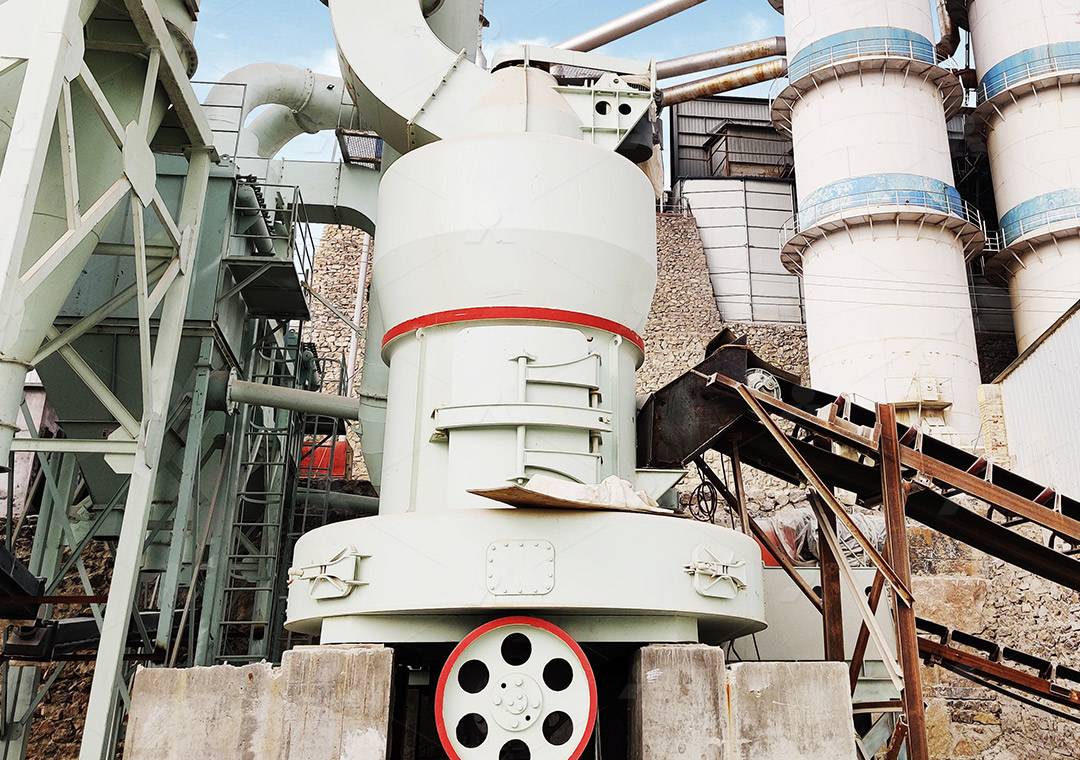
This is where advanced milling technology becomes a game-changer. For operations focused on ultra-fine dolomite powder (325-2500 meshes), the MW Ultrafine Grinding Mill presents a compelling solution. Its design directly adresses key cost drivers. It boasts a 40% higher production capacity compared to jet mills and stirred mills at the same power level, effectively slashing energy costs per ton. Its unique feature of having no rolling bearings or screws in the grinding chamber drastically reduces maintenance concerns and associated downtime costs, a common financial drain in other systems. The integrated efficient pulse dust collector also ensures compliance with environmental standards, avoiding potential fines and ensuring a sustainable operation.
Beyond Energy: The Hidden Costs of Production
Labor costs, though smaller than energy, are persistent. Automated, digitally controlled systems minimize the need for constant manual oversight. The precision offered by numerical control in machines like the MW series ensures consistent product quality, reducing waste and rejects. Another often overlooked factor is the value of product purity. For dolomite used in cosmetics or food additives, iron contamination from mechanical wear is a major concern. Equipment designed to minimize this, either through non-contact grinding principles or superior material selection, protects the premium value of the end product.
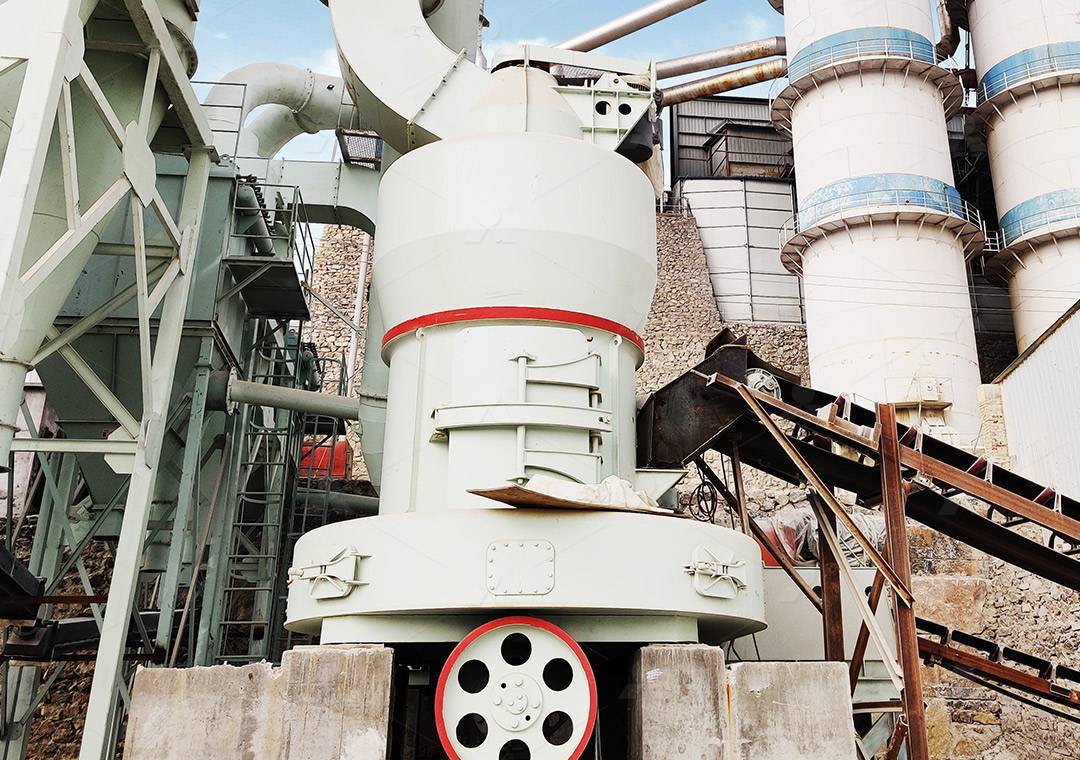
For larger feed sizes (up to 70mm) and massive production requirements up to 340 tph, the LM Vertical Grinding Mill is another excellent option from our portfolio. It integrates crushing, drying, grinding, and classifying into a single unit, reducing the comprehensive investment in auxiliary equipment. Its compact design reduces the occupational area by 50%, lowering construction and facility costs. The short grinding time and low iron content inherent in its design further protect the product quality and reduce purification costs downstream.
Conclusion: Strategic Investment for Long-Term Savings
In conclusion, a thorough cost structure analysis for dolomite powder production must look beyond the initial purchase price of equipment. The real financial advantage lies in selecting technology that optimizes the largest cost centers: energy and maintenance. Investing in high-efficiency, low-maintenance mills like the MW Ultrafine Grinding Mill or the LM Vertical Mill translates to a significantly lower cost per ton over the equipment’s lifespan, ensuring long-term competitiveness and profitability in the demanding minerals market.