
Cost of Semi Auto Rice Mill Machinery in Bangladesh: Price List & Supplier Guide 2024
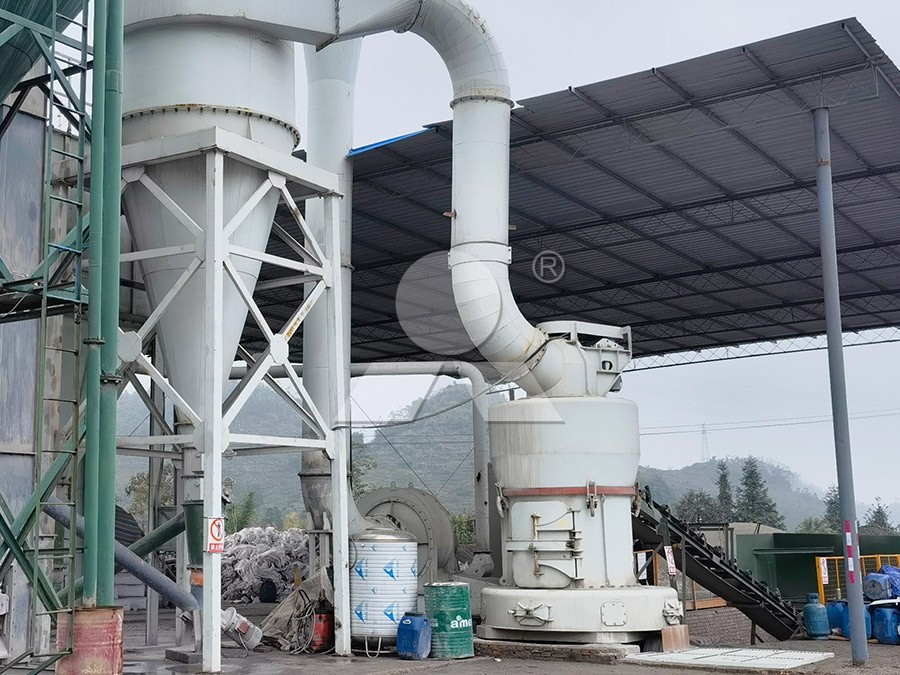
We provide a wide range of mills — including Raymond mill, trapezoidal mill, vertical mill, ultrafine mill, and ball mill, obtained ISO9001 international quality certification, EU CE certification, and Customs Union CU-TR certification. Suitable for processing minerals such as limestone, phosphate, quicklime, kaolin, talc, barite, bentonite, calcium carbonate, dolomite, coal, gypsum, clay, carbon black, slag, cement raw materials, cement clinker, and more.
The discharge range of these mills can be adjusted to meet specific processing needs, typically from 80-400 mesh, 600-3250 mesh, and can achieve the finest particle size of up to 6000 mesh(D50).
If you are looking for a reliable grinding solution to turn stone or minerals into fine powder, please feel free to contact our online customer service.
Cost of Semi Auto Rice Mill Machinery in Bangladesh: Price List & Supplier Guide 2024
The rice milling industry in Bangladesh continues to be a cornerstone of the nation’s agricultural economy. With increasing demand for higher quality rice and improved operational efficiency, selecting the right semi-automatic rice mill machinery has never been more critical. This comprehensive guide examines current market prices, key considerations, and reputable suppliers to help you make an informed investment decision.
Understanding Semi-Automatic Rice Mill Machinery
Semi-automatic rice mills represent the perfect balance between traditional manual operations and fully automated systems. These machines typically handle paddy cleaning, dehusking, polishing, and grading with minimal human intervention while maintaining affordability. The typical price range for a complete semi-automatic rice mill setup in Bangladesh varies between BDT 800,000 to BDT 2,500,000 depending on capacity and configuration.
Key components include paddy cleaners, rubber roll huskers, paddy separators, whitening cones, polishers, and graders. Modern semi-automatic systems often incorporate digital controls for critical parameters like moisture content and milling duration, ensuring consistent output quality.
Factors Influencing Machinery Costs
Several elements significantly impact the final price of semi-automatic rice mill equipment:
- Capacity: Machines processing 1-2 tons per hour typically cost BDT 800,000-1,200,000, while 2-4 TPH systems range from BDT 1,500,000-2,500,000
- Brand Origin: Japanese and European brands command premium prices (15-25% higher) compared to quality Chinese or Indian manufacturers
- Automation Level: Advanced sensors and PLC controls add 10-20% to the base price
- After-Sales Service: Comprehensive warranty and maintenance packages affect initial investment
- Power Requirements: Electric motors versus diesel engines create different cost structures
Recommended Equipment for Enhanced Processing
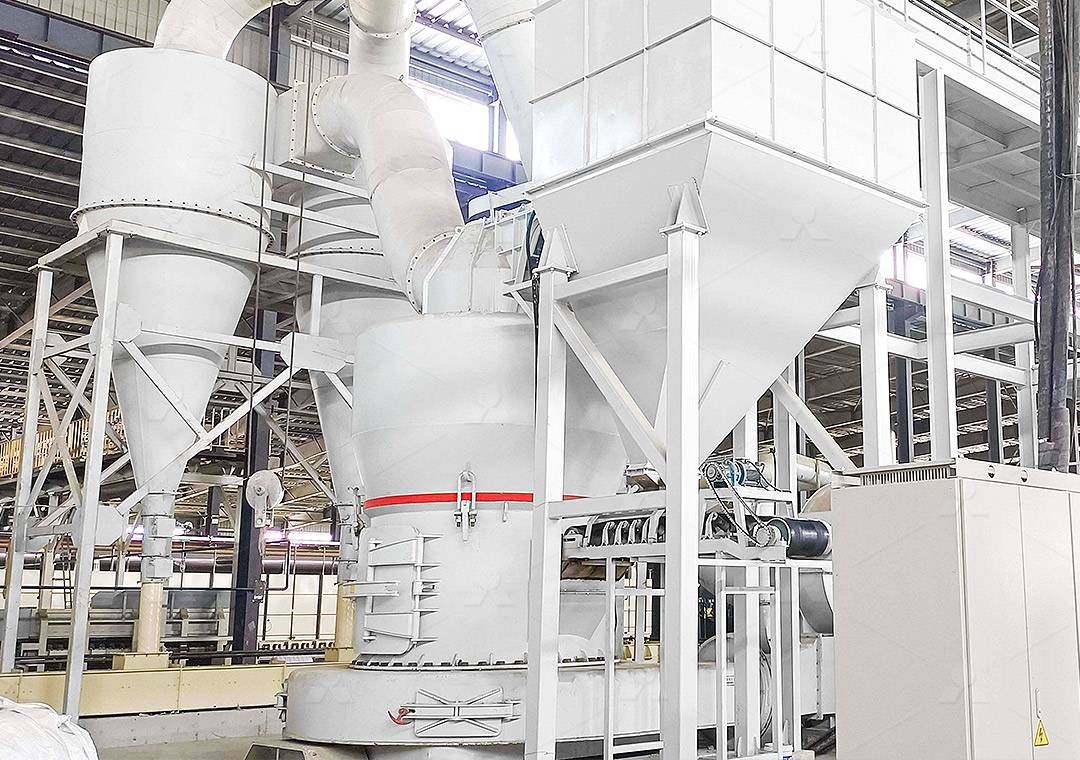
While focusing on rice milling, many operators are diversifying into value-added products. For businesses considering expansion into powder processing, the MW Ultrafine Grinding Mill presents an excellent opportunity. This versatile machine handles materials from limestone to food additives with an impressive capacity of 0.5-25 tph. Its innovative design features higher yielding with lower energy consumption – achieving 40% higher production capacity compared to jet grinding mills while using only 30% of the energy.
The MW Ultrafine Grinding Mill’s adjustable fineness between 325-2500 meshes makes it ideal for producing premium rice flour or processing agricultural byproducts. The absence of rolling bearings in the grinding chamber eliminates common failure points, ensuring reliable operation crucial for Bangladesh’s agricultural processing sector.
Supplier Landscape in Bangladesh
Dhaka, Chittagong, and Bogura host the country’s primary machinery markets. Established suppliers like Brothers Machinery, Al-Hera Engineering, and Taher Engineering offer various international brands alongside local manufacturing options. When evaluating suppliers, consider:
- Availability of spare parts and technical support
- Installation and commissioning services
- Training programs for operators
- Payment terms and financing options
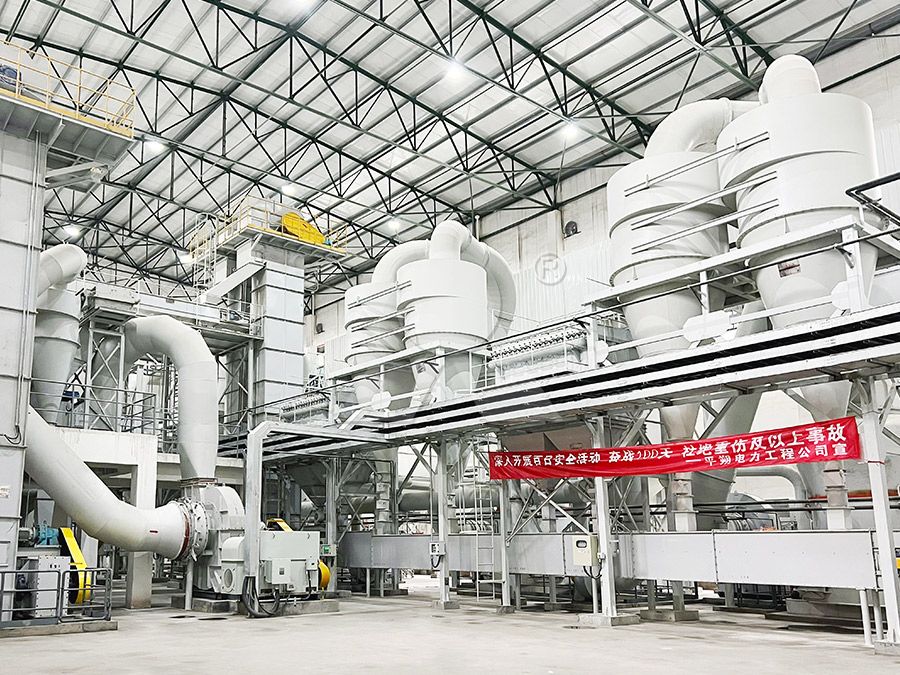
For businesses requiring precision grinding capabilities, the LUM Ultrafine Vertical Grinding Mill represents another sophisticated option. With its advanced powder separating technology and energy-saving multi-head powder separating technology, it reduces energy consumption by 30%-50% compared to conventional mills. The reversible structure simplifies maintenance – a significant advantage in regions where technical expertise may be limited.
Investment Analysis and Return Projections
A medium-capacity semi-automatic rice mill (2 TPH) typically requires 12-18 months to recover the initial investment under normal operating conditions. Factors improving ROI include:
- Strategic location near paddy sources
- Diversified product portfolio (including broken rice and bran)
- Energy-efficient equipment selection
- Government subsidies and agricultural loans
Frequently Asked Questions
What is the average maintenance cost for semi-automatic rice mills?
Annual maintenance typically costs 3-5% of the initial machinery investment, covering routine servicing, part replacements, and consumables like rubber rolls.
Are there government incentives for purchasing rice mill machinery?
Yes, Bangladesh Bank offers agricultural credit programs with reduced interest rates, and the Ministry of Agriculture provides various subsidies for modernizing agricultural processing equipment.
What power connection is required for a 2 TPH semi-automatic rice mill?
Most 2 TPH systems require a 3-phase connection with 15-25 KVA capacity, though specific requirements vary by manufacturer and configuration.
How does semi-automatic compare to fully automatic rice mills?
Semi-automatic mills offer 60-70% of the automation at 40-50% of the cost, making them ideal for medium-scale operations prioritizing cost-effectiveness over maximum output.
What is the typical lifespan of semi-automatic rice mill machinery?
With proper maintenance, quality semi-automatic rice mills can operate efficiently for 15-20 years, though some components like rubber rolls require replacement every 1-2 years depending on usage.