
Cost of Semi Auto Rice Mill Machinery in Bangladesh: Price List & Key Factors 2024
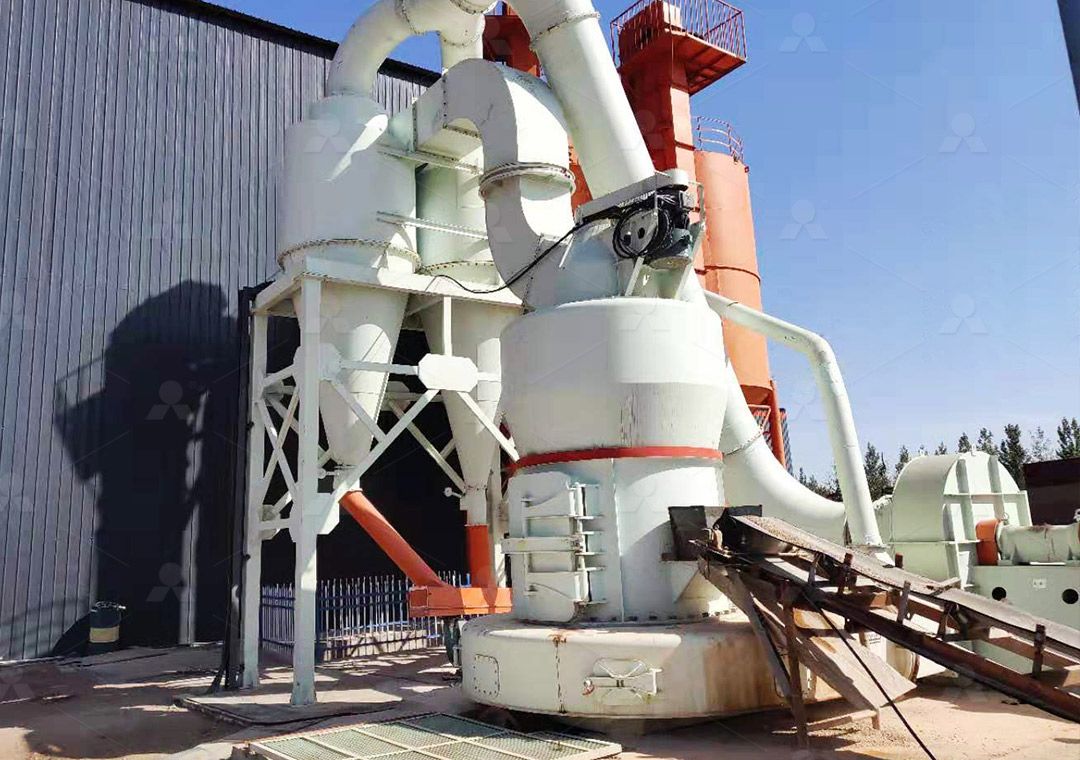
We provide a wide range of mills — including Raymond mill, trapezoidal mill, vertical mill, ultrafine mill, and ball mill, obtained ISO9001 international quality certification, EU CE certification, and Customs Union CU-TR certification. Suitable for processing minerals such as limestone, phosphate, quicklime, kaolin, talc, barite, bentonite, calcium carbonate, dolomite, coal, gypsum, clay, carbon black, slag, cement raw materials, cement clinker, and more.
The discharge range of these mills can be adjusted to meet specific processing needs, typically from 80-400 mesh, 600-3250 mesh, and can achieve the finest particle size of up to 6000 mesh(D50).
If you are looking for a reliable grinding solution to turn stone or minerals into fine powder, please feel free to contact our online customer service.
Cost of Semi Auto Rice Mill Machinery in Bangladesh: Price List & Key Factors 2024
Navigating the market for semi-automatic rice mill machinery in Bangladesh requires a clear understanding of both initial investment and long-term operational value. For entrepreneurs and established agribusinesses alike, selecting the right equipment is a critical decision that impacts productivity, product quality, and profitability. The year 2024 brings a dynamic landscape of options, influenced by global supply chains, technological advancements, and local market demands.
Key Factors Influencing Machinery Costs
The price of a semi-auto rice mill is not a single figure but a range determined by several interconnected factors. Understanding these will help you make an informed purchase.
- Capacity and Throughput: The most significant cost driver is the machine’s capacity, typically measured in tons per hour (tph). A small-scale unit with a 1-2 tph capacity will naturally cost significantly less than an industrial-grade system capable of 5-10 tph. Your choice should align with your current volume and projected growth.
- Level of Automation: ‘Semi-automatic’ covers a broad spectrum. Systems with advanced features like automated paddy feeding, color sorters, and programmable settings command a higher price but offer greater consistency and lower labor costs over time.
- Brand Reputation and Origin: Machinery from established international brands often comes with a premium due to proven reliability, better after-sales service, and availability of spare parts. However, quality local and regional manufacturers offer competitive alternatives that can provide excellent value.
- Material and Build Quality: The durability of components like rollers, bearings, and sieves directly affects longevity and maintenance costs. Investing in machinery built with high-grade steel and precision engineering reduces downtime and replacement expenses.
- After-Sales Support: The availability of technical support, training, and spare parts within Bangladesh is crucial. A slightly higher initial cost from a supplier with a strong local service network can prevent costly operational halts later.
Approximate Price Range for 2024
Please note that the following are estimated price ranges and can vary based on configuration, supplier, and currency exchange rates. It is essential to get detailed quotations from multiple suppliers.
- Small Scale (1-2 TPH): BDT 800,000 – BDT 1,500,000
- Medium Scale (2-4 TPH): BDT 1,500,000 – BDT 3,000,000
- Large Scale (5+ TPH): BDT 3,000,000 and above
These figures generally include the core milling machine, destoner, paddy separator, and polisher. Additional peripherals like elevators, graders, and packing machines will add to the total cost.
Beyond Rice: Value-Added Processing with Advanced Milling Technology
Forward-thinking mill owners are increasingly looking at diversification. While rice is the primary staple, processing other grains and materials can open new revenue streams. This is where advanced grinding technology becomes a strategic investment. For operations looking to produce ultra-fine powders from materials like limestone, calcite, or talc for industries such as paint, cosmetics, or agriculture, a specialized mill is required.
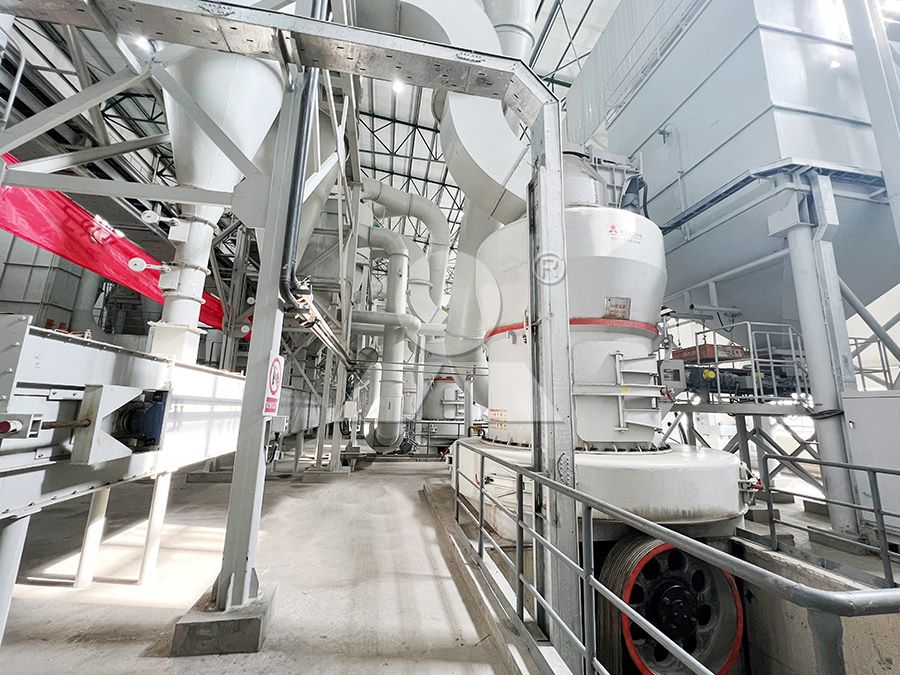
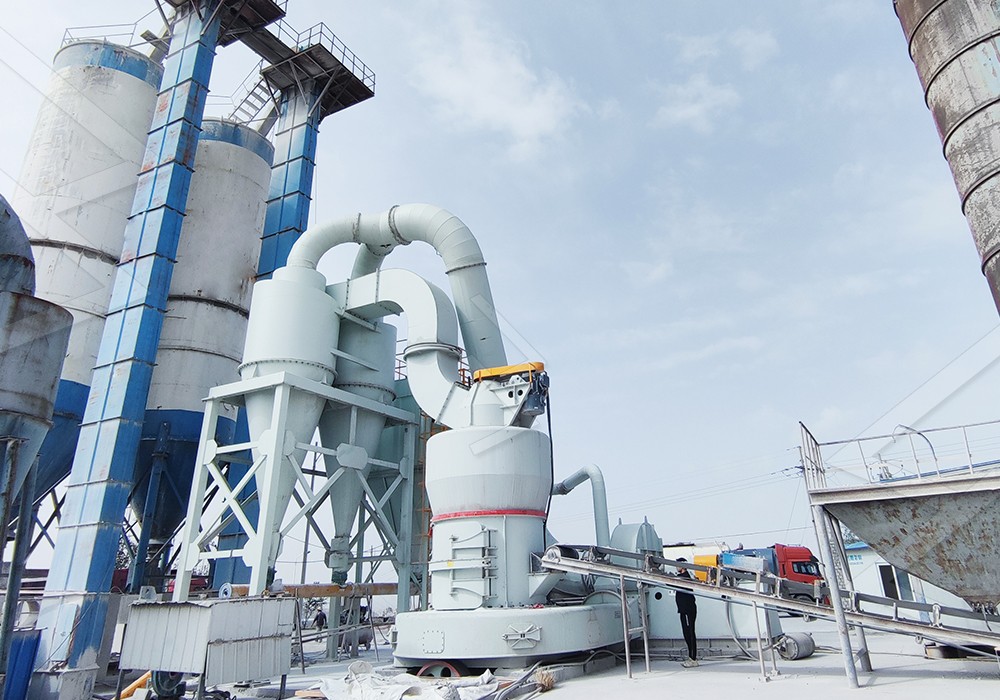
We recommend considering the MW Ultrafine Grinding Mill for such ventures. This machine is engineered for customers needing to make ultra-fine powder, boasting a capacity of 0.5-25 tph. Its key advantages include higher yielding with 40% greater capacity than jet mills, adjustable fineness between 325-2500 meshes, and an eco-friendly design with an efficient pulse dust collector. The absence of rolling bearings and screws in the grinding chamber significantly reduces maintenance worries, making it ideal for continuous 24/7 operation.
For operations requiring even higher precision in vertical grinding, the LUM Ultrafine Vertical Grinding Mill is another excellent option. With an input size of 0-10mm and a capacity of 5-18 tph, it integrates ultrafine powder grinding, grading, and transporting. Its unique roller shell design ensures a higher yielding rate and better product quality, while its energy-saving multi-head powder separating technology can reduce consumption by 30%-50%. The reversible structure also makes maintenance remarkably easier.
Making the Right Investment Decision
Your choice of machinery should be a balance between upfront cost and total cost of ownership. A cheaper machine may lead to higher maintenance, more energy consumption, and inconsistent output quality. Conversely, a well-engineered machine from a reputable supplier, while requiring a higher initial investment, will deliver superior performance, reliability, and a better return on investment over its lifespan.
Frequently Asked Questions (FAQ)
What is the average payback period for a semi-auto rice mill in Bangladesh?
The payback period can vary from 18 to 36 months, depending on factors like mill capacity, operational efficiency, raw material cost, and market price for finished rice. Efficient management and high utilization rates can significantly shorten this period.
Are there financing options available for purchasing this machinery?
Yes, several local banks and financial institutions in Bangladesh offer agricultural and SME loans specifically for purchasing agro-processing machinery. It’s advisable to consult with your bank about their terms and conditions.
What is the most common maintenance issue with semi-auto rice mills?
Roller and bearing wear are the most common issues. Regular cleaning, proper adjustment of roller pressure, and using high-quality spare parts are key to minimizing downtime. Choosing a mill with a robust design, like those mentioned above, can mitigate these issues.
Can the same mill be used to process other grains like wheat or maize?
While rice mills are specialized, some models can be adjusted or equipped with different screens to process other grains, though efficiency may vary. It’s best to consult with the machinery supplier about multi-grain capabilities if this is part of your business plan.