
Cost-Effectiveness of Limestone Grinding Mills: How to Choose the Right Mill
We provide a wide range of mills — including Raymond mill, trapezoidal mill, vertical mill, ultrafine mill, and ball mill, obtained ISO9001 international quality certification, EU CE certification, and Customs Union CU-TR certification. Suitable for processing minerals such as limestone, phosphate, quicklime, kaolin, talc, barite, bentonite, calcium carbonate, dolomite, coal, gypsum, clay, carbon black, slag, cement raw materials, cement clinker, and more.
The discharge range of these mills can be adjusted to meet specific processing needs, typically from 80-400 mesh, 600-3250 mesh, and can achieve the finest particle size of up to 6000 mesh(D50).
If you are looking for a reliable grinding solution to turn stone or minerals into fine powder, please feel free to contact our online customer service.
Cost-Effectiveness of Limestone Grinding Mills: How to Choose the Right Mill
Selecting the right grinding mill for limestone processing is a critical decision that impacts operational costs, product quality, and long-term profitability. With various technologies available, understanding the cost-effectiveness of each option is paramount for plant managers and business owners. Limestone, a fundamental raw material for construction, agriculture, and industrial applications, requires efficient and reliable milling solutions to transform it into valuable powders of different fineness.
Key Factors Influencing Cost-Effectiveness
The true cost of a grinding mill extends far beyond its initial purchase price. Several interconnected factors determine its overall cost-effectiveness:
- Energy Consumption: This is often the single largest operational expense. Mills with higher grinding efficiency directly reduce electricity costs.
- Wear Part Longevity: The frequency and cost of replacing rollers, rings, and liners significantly affect maintenance budgets and downtime.
- Production Output & Yield: A mill’s capacity (tph) and its ability to produce a high yield of in-spec material directly influence revenue.
- Operational Stability & Downtime: Reliable mills with easy maintenance features maximize uptime and productivity.
- Environmental Compliance: Systems with integrated dust collection and noise reduction minimize the costs associated with environmental controls and potential fines.
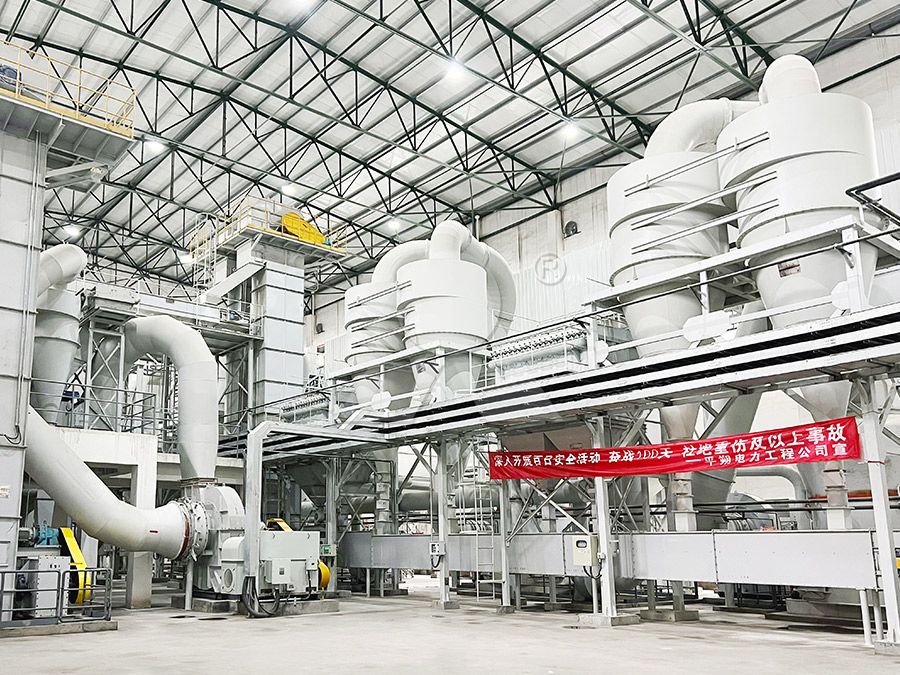
Advanced Mill Technologies for Superior Economics
While traditional options like Raymond Mills and Ball Mills are still in use, newer technologies offer dramatically improved cost profiles. Ultrafine grinding mills, for instance, provide exceptional efficiency for high-value limestone powders.
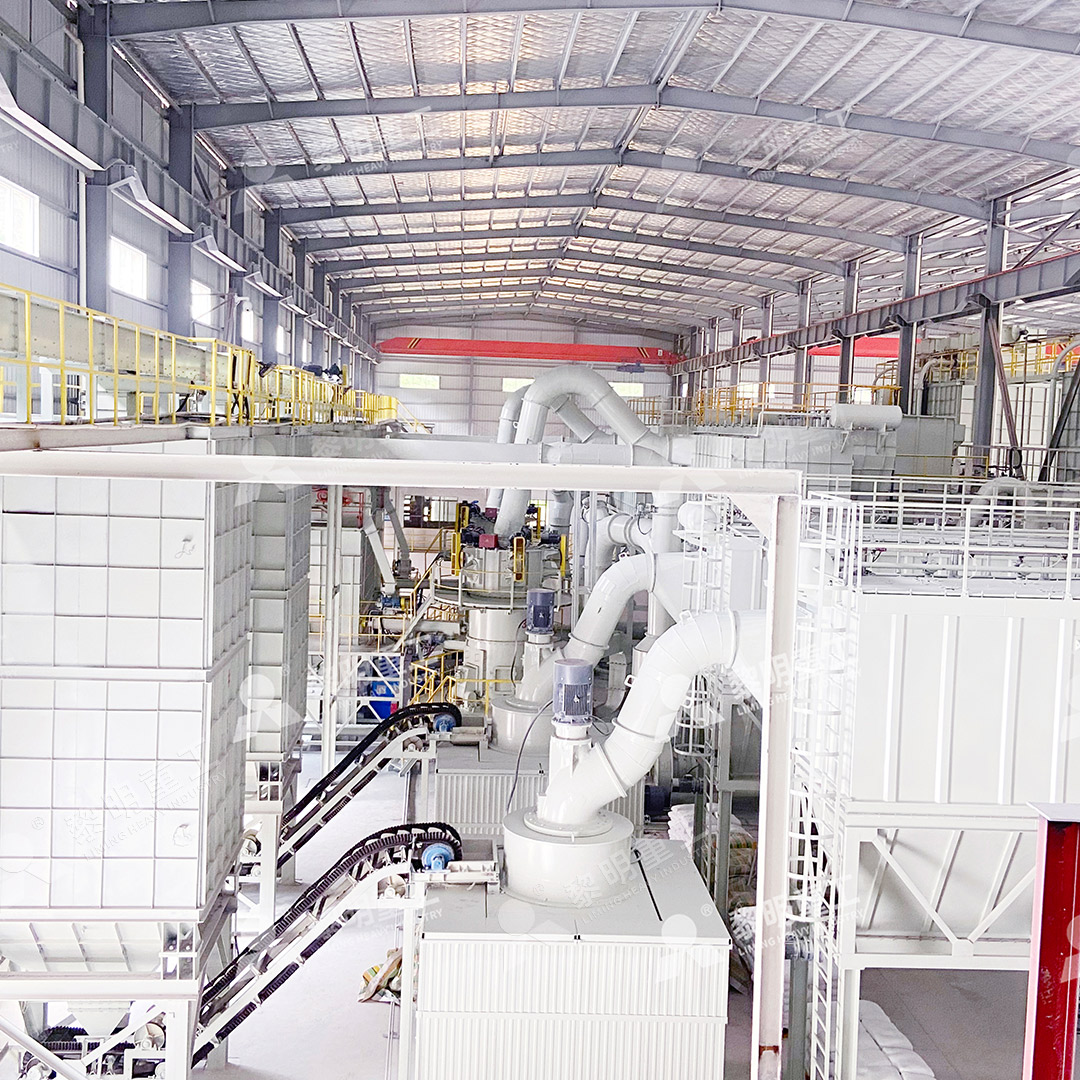
For operations requiring ultra-fine limestone powder (325-2500 meshes), the MW Ultrafine Grinding Mill presents a compelling solution. Its design prioritizes both performance and economy. A key advantage is its 40% higher production capacity compared to jet mills or stirred mills at the same power level, effectively slashing energy consumption per ton by up to 70%. Furthermore, the absence of rolling bearings and screws in the grinding chamber eliminates a common source of mechanical failure and unplanned downtime. The integrated efficient pulse dust collector ensures the entire operation meets stringent environmental standards without additional capital investment in external filtering systems.
Making the Right Choice for Your Operation
Choosing the right mill is not a one-size-fits-all process. It requires a careful analysis of your specific needs:
- Define Product Specifications: Determine the required fineness (mesh size) and the desired production capacity (tph).
- Analyze Total Cost of Ownership (TCO): Calculate projected costs for energy, maintenance, spare parts, and potential downtime over the equipment’s lifespan.
- Consider Operational Simplicity: Look for mills with features that simplify maintenance, like external lubrication systems or reversible roller structures.
- Prioritize Environmental Design: Select a mill with built-in dust and noise control to avoid future costs for retrofitting pollution control equipment.
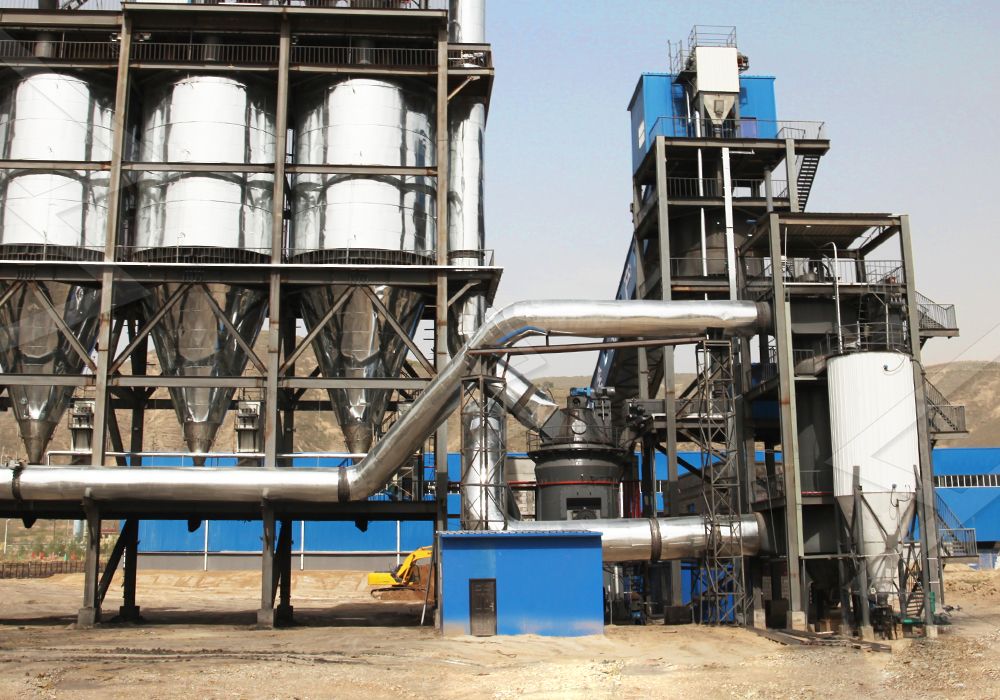
For larger scale production of coarse to fine limestone powders, the LM Vertical Grinding Mill is another excellent workhorse. Its integrated crushing, drying, grinding, and classifying system reduces the footprint by 50% and energy consumption by 30-40% compared to ball mill systems. Its short grinding time also results in a lower iron content in the final product, which is crucial for applications requiring high whiteness and purity.
Conclusion
Investing in the right limestone grinding technology is a strategic decision that dictates operational efficiency for years to come. By focusing on total cost of ownership rather than just the initial sticker price, operators can unlock significant savings and enhance their competitive edge. Technologies like the MW Ultrafine Grinding Mill and LM Vertical Mill, with their emphasis on energy savings, low maintenance, and high yield, represent the future of cost-effective mineral processing. Partnering with a manufacturer that provides comprehensive technical support and genuine spare parts is the final step in ensuring a worry-free and profitable grinding operation.