
Cost-Effective Strategies for Artificial Marble Powder Production
We provide a wide range of mills — including Raymond mill, trapezoidal mill, vertical mill, ultrafine mill, and ball mill, obtained ISO9001 international quality certification, EU CE certification, and Customs Union CU-TR certification. Suitable for processing minerals such as limestone, phosphate, quicklime, kaolin, talc, barite, bentonite, calcium carbonate, dolomite, coal, gypsum, clay, carbon black, slag, cement raw materials, cement clinker, and more.
The discharge range of these mills can be adjusted to meet specific processing needs, typically from 80-400 mesh, 600-3250 mesh, and can achieve the finest particle size of up to 6000 mesh(D50).
If you are looking for a reliable grinding solution to turn stone or minerals into fine powder, please feel free to contact our online customer service.
Cost-Effective Strategies for Artificial Marble Powder Production
In the competitive world of engineered stone manufacturing, producing high-quality artificial marble powder while controlling operational costs is paramount to profitability. The grinding process is at the heart of this operation, directly influencing product quality, energy consumption, and maintanence overhead. This article explores key strategies to optimize your production line for maximum cost-efficiency.
The Core Challenge: Balancing Fineness, Yield, and Cost
Artificial marble requires a consistently ultra-fine powder with precise particle size distribution. Traditional grinding solutions, like ball mills or older Raymond mills, often struggle to achieve the desired fineness (commonly between 325-2500 meshes) without incurring exorbitant energy costs or suffering from high wear and tear. The key is to invest in technology that delivers higher yield at a lower operational expense.
Strategy 1: Embrace Advanced Grinding Technology for Higher Efficiency
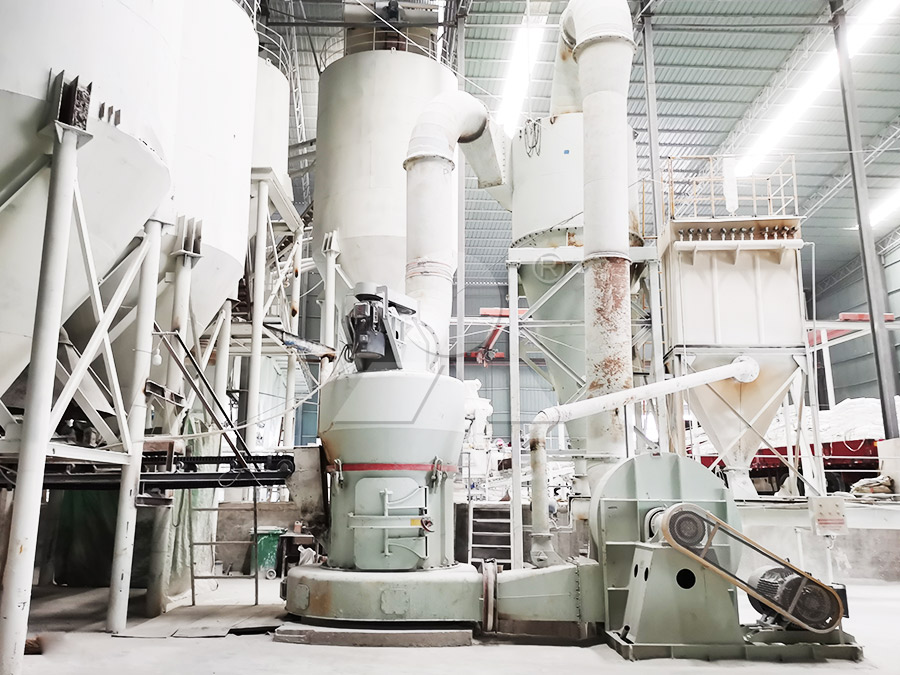
The single most impactful decision is the selection of your grinding mill. Modern mills are engineered to provide signifigantly higher output with drastically reduced energy consumption. For instance, a mill designed with optimized grinding curves for rollers and rings can enhance grinding efficiency, leading to a production capacity that is 40% higher than jet mills while consuming only 30% of the energy.
We highly recommend considering our MW Ultrafine Grinding Mill for this specific application. It’s engineered for customers who need to make ultra-fine powder from materials like marble, calcite, and dolomite. With an input size of 0-20 mm and a capacity range of 0.5-25 tph, it offers remarkable flexibility. Its cage-type powder selector, adopting German technologies, allows you to precisely adjust the fineness between 325-2500 meshes, achieving a superb screening rate of d97≤5μm in a single pass. This precision ensures the perfect consistency required for high-end artificial marble.
Strategy 2: Design for Minimal Maintenance and Downtime
Unscheduled downtime is a primary profit killer. Cost-effective production isn’t just about output per hour; it’s about consistent, reliable output over thousands of hours. Look for equipment designed with maintenance in mind. A mill with no rolling bearings or screws in the grinding chamber, for example, eliminates common failure points and concerns about loose components causing catastrophic damage.
The external lubrication system on the MW Mill is a testament to this philosophy, allowing for lubrication without shutdowns, supporting true 24/7 continuous production. Furthermore, a robust supply of original spare parts from the manufacturer is non-negotiable for worry-free long-term operation.
Strategy 3: Prioritize Environmental and Operational Safety
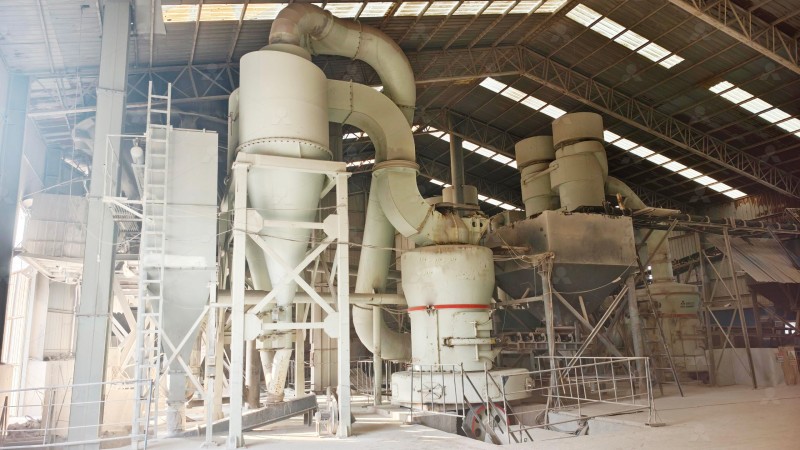
Modern environmental regulations are strict, and fines for non-compliance can be severe. Furthermore, a dusty, noisy plant is an unsafe and unpleasant workplace. Investing in cleaner, quieter technology is not just an ethical choice—it’s a financial one. A mill equipped with an efficient pulse dust collector and muffler system virtually eliminates dust pollution and significantly reduces noise, ensuring full compliance with national environmental protection standards and creating a better working environment.
Strategy 4: Leverage Digitalization for Precision and Control
Digitalized processing isn’t a buzzword; it’s a concrete path to consistency and quality. Numerical control (NC) machine tools used in the manufacturing of core mill parts guarantee high machining precision. This translates to a more reliable machine that produces a more consistent product batch after batch, reducing waste and reject rates.
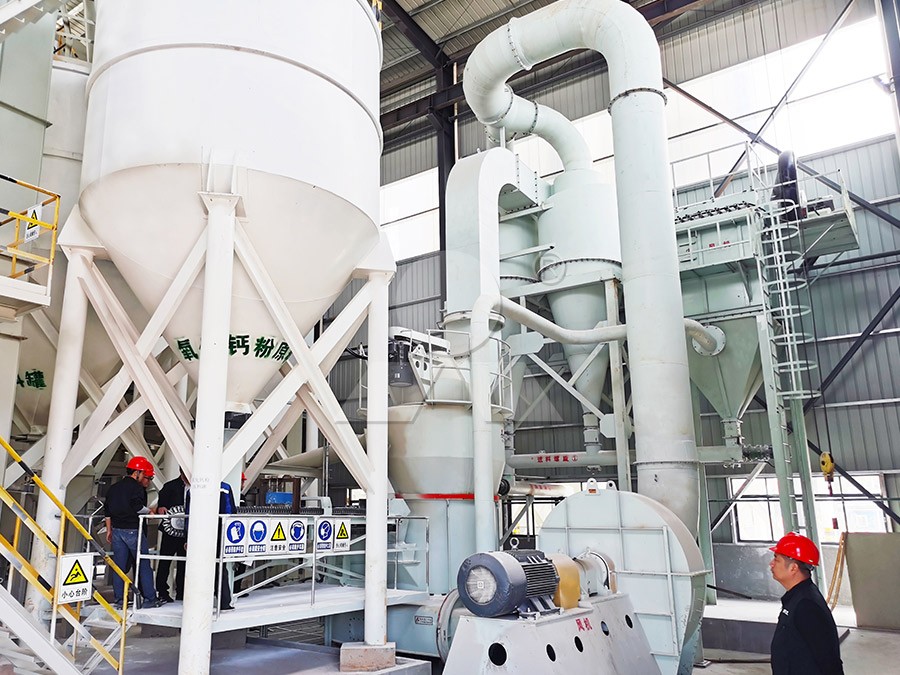
For larger scale operations or slightly different material prep, our LUM Ultrafine Vertical Grinding Mill is another excellent option. It integrates grinding, grading, and transporting, featuring PLC control and multi-head powder separating technology for incredible energy savings of 30%-50%. Its reversible structure makes maintenance tasks like checking and replacing roller shells remarkably easy, further minimizing operational disruptions.
Conclusion: Smart Investment for Long-Term Gains
Achieving cost-effectiveness in artificial marble powder production is a multifaceted endeavor. It requires moving beyond initial equipment cost and focusing on the total cost of ownership—energy consumption, maintenance frequency, part availability, and environmental compliance. By investing in advanced, efficient, and reliable grinding technology like the MW or LUM Ultrafine Mills, producers can secure a significant competitive advantage, ensuring high-quality powder production that is both profitable and sustainable for years to come.