
Cost Analysis of 5TPH 100-Mesh Quicklime Grinding Mill for CFB Applications
We provide a wide range of mills — including Raymond mill, trapezoidal mill, vertical mill, ultrafine mill, and ball mill, obtained ISO9001 international quality certification, EU CE certification, and Customs Union CU-TR certification. Suitable for processing minerals such as limestone, phosphate, quicklime, kaolin, talc, barite, bentonite, calcium carbonate, dolomite, coal, gypsum, clay, carbon black, slag, cement raw materials, cement clinker, and more.
The discharge range of these mills can be adjusted to meet specific processing needs, typically from 80-400 mesh, 600-3250 mesh, and can achieve the finest particle size of up to 6000 mesh(D50).
If you are looking for a reliable grinding solution to turn stone or minerals into fine powder, please feel free to contact our online customer service.
Cost Analysis of 5TPH 100-Mesh Quicklime Grinding Mill for CFB Applications
Selecting the optimal grinding mill for quicklime preparation in Circulating Fluidized Bed (CFB) systems is a critical decision that directly impacts operational efficiency, product quality, and long-term profitability. For a target capacity of 5 tons per hour (TPH) at a fineness of 100 mesh, a comprehensive cost analysis must extend beyond the initial purchase price to encompass energy consumption, maintenance, spare parts, and system integration. This article provides a detailed breakdown of the total cost of ownership (TCO) for such an application, highlighting key factors that influence financial and operational outcomes.
Understanding the Core Requirements: Capacity and Fineness
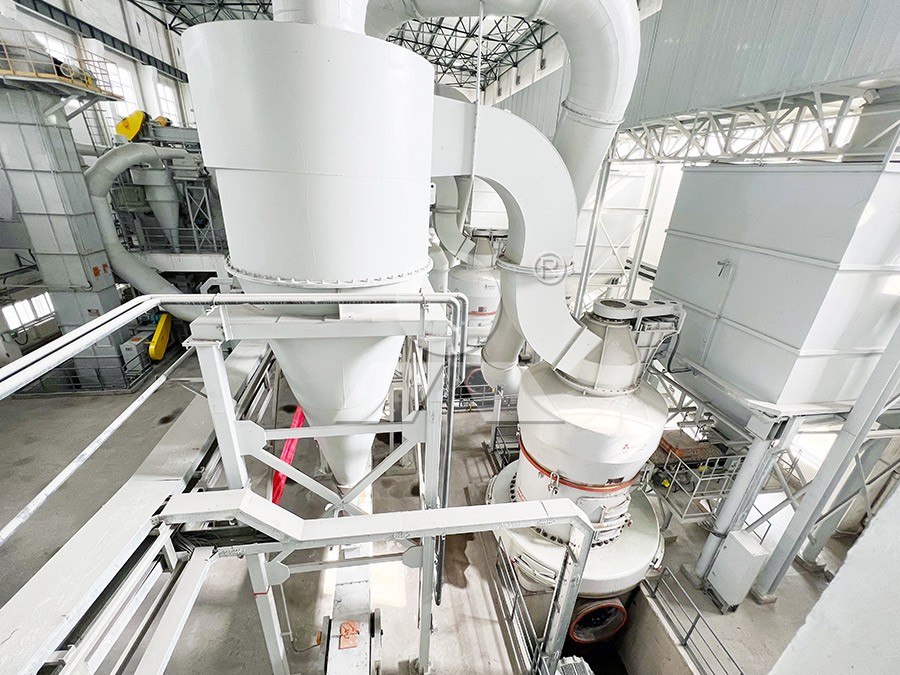
The specification of 5 TPH at 100 mesh defines the baseline. Quicklime (Calcium Oxide) for CFB boilers, often used in flue gas desulfurization, requires consistent particle size distribution to ensure proper reactivity and fluidization. A mill that struggles to maintain stable output or produces excessive fines can lead to process inefficiencies, higher reagent consumption, and potential slagging issues. Therefore, the chosen equipment must demonstrate reliable performance within this specific window.
Breaking Down the Total Cost of Ownership (TCO)
A holistic TCO model for a 5TPH grinding line includes several major components:
1. Capital Expenditure (CAPEX)
This is the upfront cost for the complete grinding system, including the mill, feeder, classifier, dust collector, silos, and electrical controls. While vertical roller mills and advanced Raymond-type mills may have a higher initial price tag than basic ball mills, their superior layout efficiency often reduces civil engineering and installation costs. A compact system with integrated drying (if handling hydrated lime) can offer significant CAPEX savings on auxiliary equipment and building space.
2. Operational Expenditure (OPEX)
OPEX is where the most significant cost differentiation between mill technologies occurs.
- Energy Consumption: This is typically the largest ongoing cost. Grinding efficiency, measured in kWh/ton, varies dramatically. Traditional ball mills are notoriously energy-intensive for fine grinding. In contrast, modern vertical roller mills and advanced pendulum mills utilize grinding mechanisms that consume significantly less power. For a 5TPH operation running 24/7, a difference of even 5 kWh/ton translates to substantial annual savings.
- Wear Parts & Maintenance: The abrasiveness of quicklime necessitates robust wear protection. Costs include grinding rolls/tires, rings, liners, and classifier blades. Mills designed for easy maintenance with features like hydraulic roller-out systems drastically reduce downtime and labor costs during part replacement. The frequency of replacement and the cost of original spare parts are crucial factors.
- System Availability & Downtime: Unplanned stoppages are extremely costly. Reliability features such as no rolling bearings in the grinding chamber (eliminating a common failure point) and reversible roller structures for extended wear life directly contribute to higher availability and lower maintenance OPEX.
3. Product Quality & Environmental Compliance
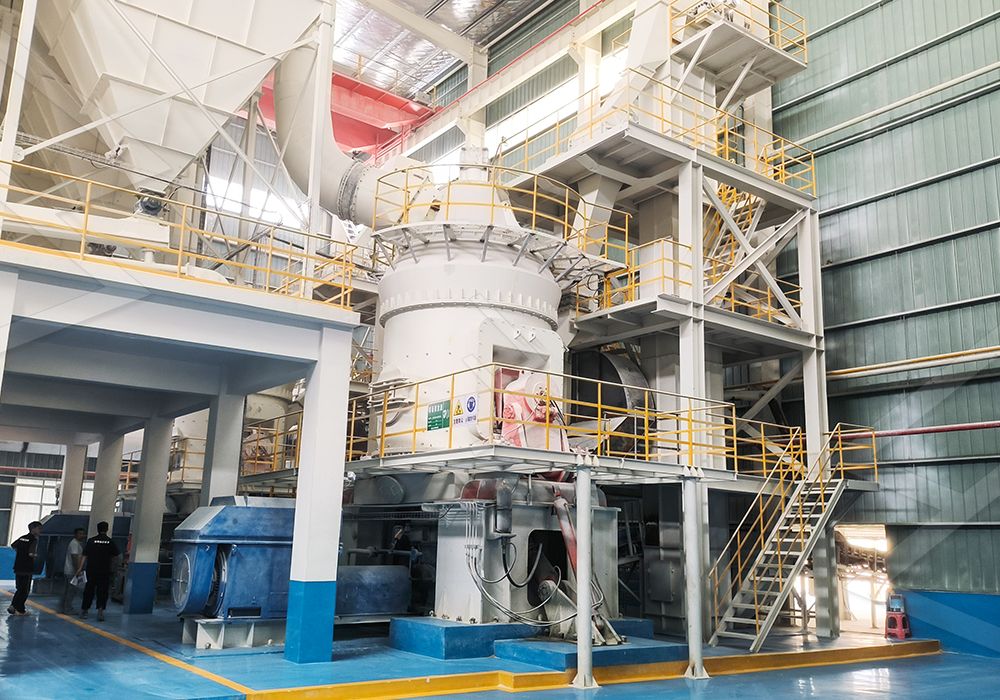
Indirect costs are also vital. A mill with poor classification may produce off-spec material, leading to waste or reduced effectiveness in the CFB process. Furthermore, environmental regulations mandate dust control. A system with an integrated, high-efficiency pulse jet dust collector ensures compliance without requiring additional, costly filtration investments and avoids potential fines.
Technology Comparison and Recommended Solution
For the 5TPH 100-mesh quicklime application, two of our technologies stand out for their optimal balance of performance and TCO:
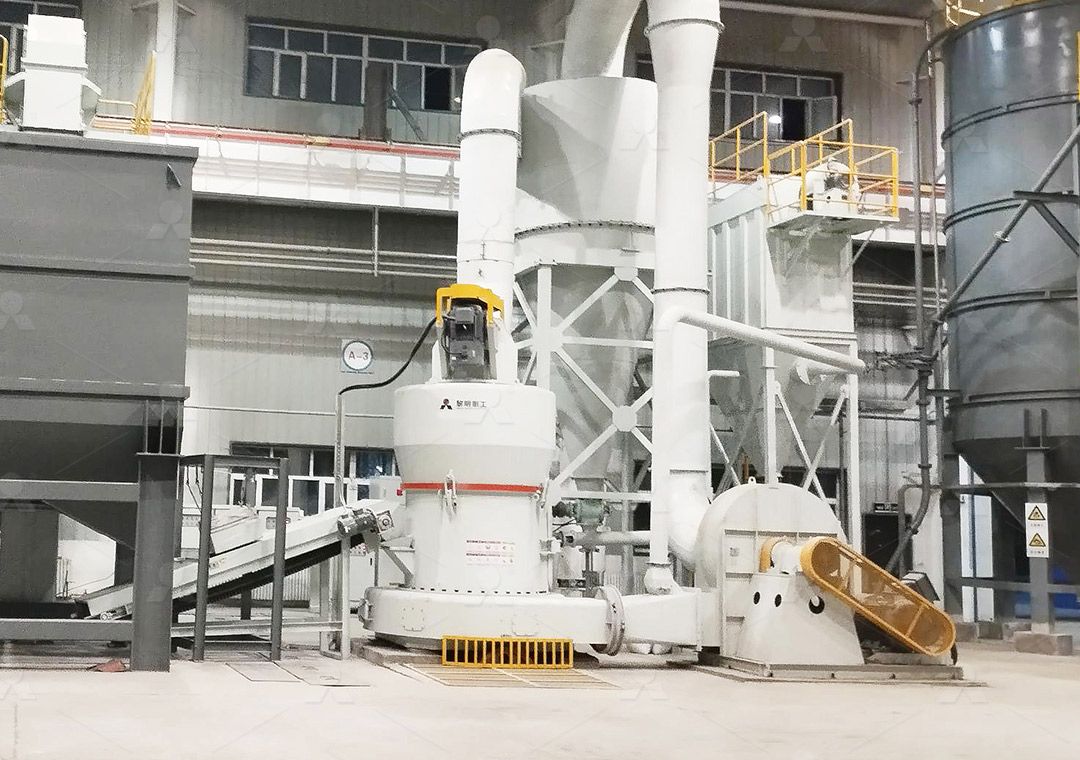
Primary Recommendation: The MTW Series European Trapezium Grinding Mill is exceptionally well-suited for this duty. Its advanced features directly address the cost centers outlined above. The bevel gear integral transmission ensures stable, efficient power delivery with lower energy loss compared to traditional gearboxes. The curved air duct minimizes flow resistance, reducing fan power consumption. Crucially, its wear-resistant grinding rollers and rings, developed with specialized institutes, offer a service life 1.7-2.5 times longer than standard high-manganese steel, dramatically cutting wear part costs over time. For a 5TPH output at 100 mesh, the MTW mill provides an excellent blend of reliability, energy efficiency, and low maintenance, resulting in a superior TCO.
Advanced Alternative: The LUM Ultrafine Vertical Grinding Mill represents the pinnacle of efficiency for projects where future fineness requirements may increase. Its multi-head powder separating technology with PLC control allows for precise and energy-efficient classification at 100 mesh and beyond. The unique roller and lining plate curve promotes efficient material bed grinding, yielding higher output with lower specific energy consumption—often 30%-50% less than conventional mills. While its CAPEX might be higher, for operations focused on minimizing kWh/ton and maximizing product consistency, the LUM vertical mill offers an unbeatable long-term OPEX advantage.
Conclusion: Investing in Lifecycle Efficiency
The most cost-effective mill for a 5TPH 100-mesh quicklime CFB application is not the one with the lowest sticker price, but the one that minimizes total expenditure over its operational lifespan. By prioritizing technologies that deliver high grinding efficiency, incorporate long-lasting wear parts, enable easy maintenance, and ensure environmental compliance, plant operators can secure a significant return on investment through reduced energy bills, lower downtime, and consistent product quality. A detailed analysis based on these TCO principles is essential for making a sound, profitable capital decision.
Frequently Asked Questions (FAQ)
- Q: Why is energy consumption so critical in selecting a mill for this application?
A: For a continuous 5TPH operation, energy is the single largest recurring cost. A difference of a few kilowatt-hours per ton can amount to tens of thousands of dollars in annual savings. High-efficiency mills like the MTW or LUM series directly translate to lower operating expenses. - Q: How does quicklime’s abrasiveness affect mill selection and cost?
A: Abrasive materials accelerate wear on grinding components. Selecting a mill with specially hardened or alloyed wear parts (like the proprietary rollers in our MTW mill) and a design that allows for easy, fast replacement is crucial to controlling long-term maintenance costs and avoiding excessive downtime. - Q: Can your recommended mills handle variations in feed material moisture?
A> Yes. Both the MTW and LUM series can be equipped with integrated hot air systems. For quicklime with slight surface moisture or if processing hydrated lime, this feature allows for simultaneous drying and grinding, ensuring stable operation and consistent product fineness without a separate dryer. - Q: What kind of particle size distribution can we expect at 100 mesh?
A> Our mills equipped with advanced static and dynamic classifiers, such as the cage-type powder selector in the LUM mill, provide a sharp and consistent cut. You can expect a tight particle size distribution with minimal oversize or excessive super-fines, which is ideal for optimal reactivity in CFB processes. - Q: What support is available for spare parts and technical service?
A> We maintain a comprehensive inventory of original spare parts, including all critical wear components. Our responsibility covers the entire machine lifecycle, and we provide dedicated technical services to ensure worry-free operation, from installation support to preventive maintenance guidance.