
Cost Analysis of 10TPH 90 Mesh Limestone Grinding Mill for Flue Gas Desulfurization Plant
We provide a wide range of mills — including Raymond mill, trapezoidal mill, vertical mill, ultrafine mill, and ball mill, obtained ISO9001 international quality certification, EU CE certification, and Customs Union CU-TR certification. Suitable for processing minerals such as limestone, phosphate, quicklime, kaolin, talc, barite, bentonite, calcium carbonate, dolomite, coal, gypsum, clay, carbon black, slag, cement raw materials, cement clinker, and more.
The discharge range of these mills can be adjusted to meet specific processing needs, typically from 80-400 mesh, 600-3250 mesh, and can achieve the finest particle size of up to 6000 mesh(D50).
If you are looking for a reliable grinding solution to turn stone or minerals into fine powder, please feel free to contact our online customer service.
Cost Analysis of 10TPH 90 Mesh Limestone Grinding Mill for Flue Gas Desulfurization Plant
Selecting the appropriate limestone grinding mill for flue gas desulfurization (FGD) systems represents a critical capital investment decision for power plants and industrial facilities. The operational efficiency, maintenance requirements, and total cost of ownership directly impact the economic viability of environmental compliance efforts. This analysis examines the key factors influencing equipment selection for a 10 tons per hour (TPH) system producing 90 mesh limestone powder.
The grinding fineness requirement of 90 mesh (approximately 170 microns) falls within the medium-fine powder range, making several mill technologies potentially suitable. However, not all solutions offer the same operational economy or reliability. Traditional ball mills, while having lower initial costs, typically demonstrate higher energy consumption per ton and significant wear part replacement expenses over time.
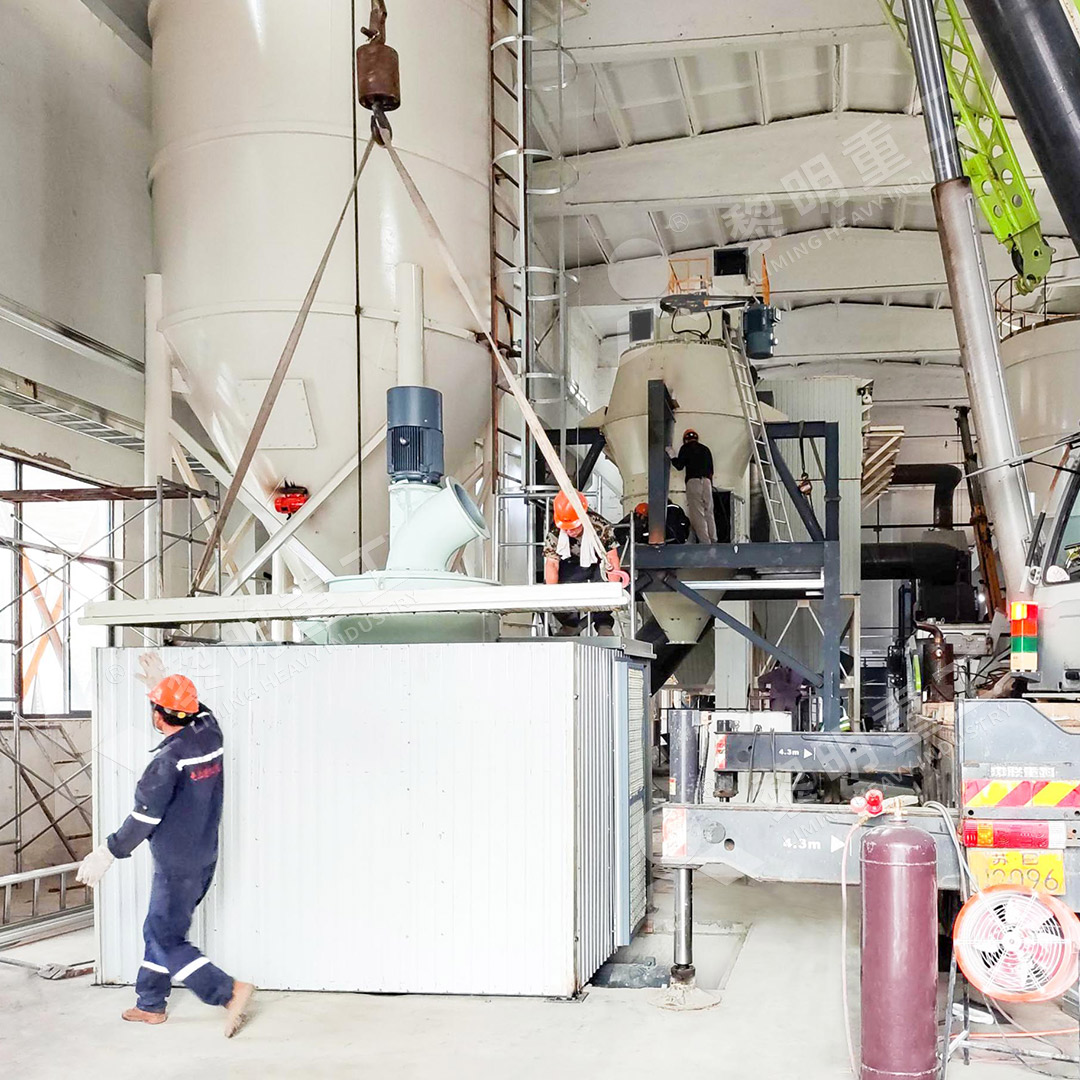
When evaluating grinding solutions for FGD applications, our technical analysis consistently shows that the MW Ultrafine Grinding Mill delivers exceptional value for 90 mesh limestone production. With an operational capacity range of 0.5-25 TPH, it perfectly accommodates the 10 TPH requirement while maintaining reserve capacity for peak demand periods. The mill’s innovative design eliminates rolling bearings and screws within the grinding chamber, dramatically reducing maintenance concerns and unscheduled downtime risks.
The economic advantages become particularly evident when examining energy consumption. The MW Ultrafine Grinding Mill operates at approximately 30% of the energy consumption compared to jet grinding mills, translating to substantial operational cost savings. For a continuous operation FGD system, this efficiency advantage compounds significantly over the equipment lifespan.
Comprehensive Cost Considerations
A thorough cost analysis extends beyond the initial equipment purchase price. Facility managers must account for installation requirements, operational energy consumption, maintenance schedules, wear part replacement costs, and environmental compliance expenses. The compact footprint of modern grinding systems like the MW series reduces structural preparation costs and allows for more flexible plant layout configurations.
Environmental compliance represents another critical cost factor. The integrated pulse dust collector system ensures emissions remain within regulatory standards without requiring additional filtration investments. Similarly, the noise reduction features mitigate potential workplace safety investments that might otherwise be necessary with louder conventional milling equipment.
Operational Reliability in FGD Applications
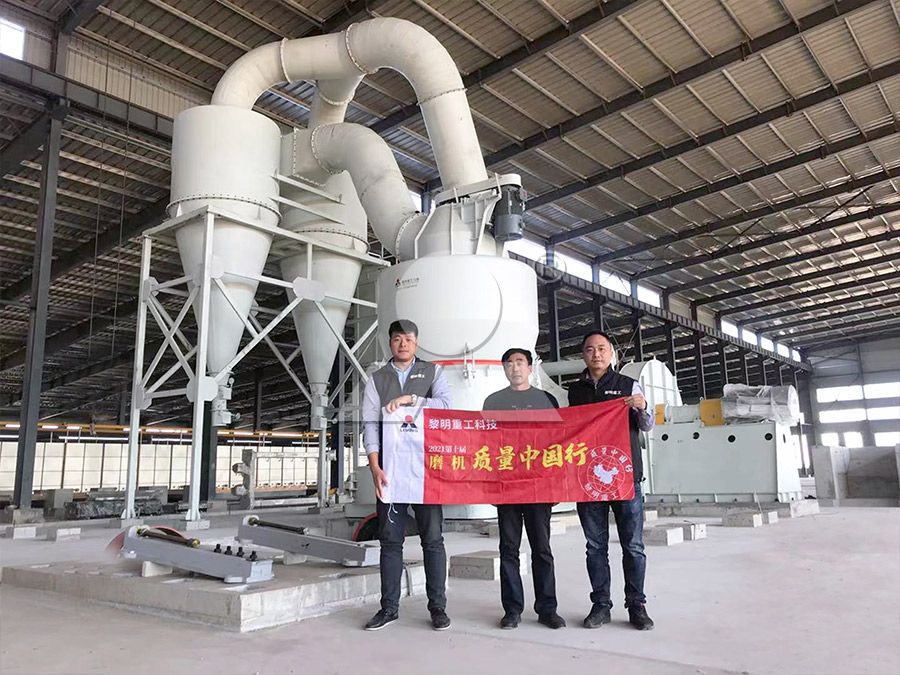
Flue gas desulfurization systems typically operate continuously, making equipment reliability paramount. The MW Ultrafine Grinding Mill’s external lubrication system enables maintenance without production interruption, a significant advantage over technologies requiring shutdown for routine servicing. The cage-type powder selector with German technology ensures consistent product fineness between 325-2500 meshes, providing flexibility should process requirements evolve.
For operations requiring slightly different specifications, the LUM Ultrafine Vertical Grinding Mill presents another technologically advanced option. With its 5-18 TPH capacity range and unique roller shell design, it offers exceptional grinding efficiency for operations that prioritize product whiteness and cleanliness. The reversible structure simplifies maintenance procedures, further reducing lifetime operational costs.
Long-Term Value Assessment
The most economically sound selection for FGD limestone grinding balances initial investment against total cost of ownership. Technologies that appear less expensive initially may incur significantly higher operational and maintenance expenses over their service life. The digitalized processing and high-precision manufacturing of modern grinding mills enhance operational consistency while reducing the frequency of component replacement.
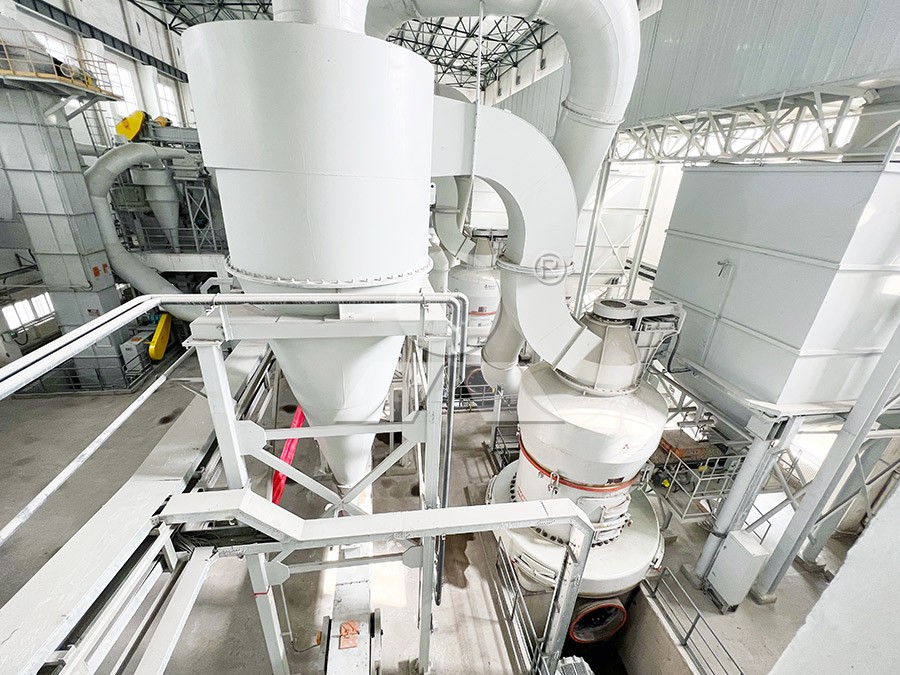
Our analysis indicates that for a 10 TPH, 90 mesh limestone grinding application in FGD systems, the MW Ultrafine Grinding Mill typically delivers the optimal balance of performance, reliability, and economic operation. The combination of higher throughput, lower energy consumption, and reduced maintenance requirements positions this technology as the superior financial choice for most FGD applications.
Frequently Asked Questions
What is the typical energy consumption for a 10 TPH limestone grinding mill producing 90 mesh powder?
The MW Ultrafine Grinding Mill consumes approximately 30-40% less energy compared to traditional jet mills and about 50% less than ball mills for equivalent output. Exact consumption varies based on material characteristics and system configuration.
How often does the grinding mill require maintenance?
The maintenance interval varies by technology. The MW Ultrafine Grinding Mill’s external lubrication system and absence of internal rolling bearings extend service intervals significantly, with many components requiring attention only during planned annual shutdowns.
Can the same mill produce different fineness if FGD requirements change?
Yes, modern mills like the MW series feature adjustable fineness between 325-2500 meshes through simple adjustments to the powder selection system, providing flexibility for future process modifications.
What spare parts inventory should we maintain?
Critical wear parts typically include grinding rollers and rings. The exceptional wear resistance of these components in the MW mill reduces both replacement frequency and necessary inventory levels. Our company provides comprehensive spare parts support to ensure operational continuity.
How does the mill handle variations in limestone hardness?
Advanced grinding mills incorporate hydraulic systems and intelligent controls that automatically adjust grinding pressure to accommodate material hardness variations, maintaining consistent product quality despite feed stock fluctuations.