
Cost Analysis: Factors Affecting Grinding Mill Installation Expenses
We provide a wide range of mills — including Raymond mill, trapezoidal mill, vertical mill, ultrafine mill, and ball mill, obtained ISO9001 international quality certification, EU CE certification, and Customs Union CU-TR certification. Suitable for processing minerals such as limestone, phosphate, quicklime, kaolin, talc, barite, bentonite, calcium carbonate, dolomite, coal, gypsum, clay, carbon black, slag, cement raw materials, cement clinker, and more.
The discharge range of these mills can be adjusted to meet specific processing needs, typically from 80-400 mesh, 600-3250 mesh, and can achieve the finest particle size of up to 6000 mesh(D50).
If you are looking for a reliable grinding solution to turn stone or minerals into fine powder, please feel free to contact our online customer service.
Cost Analysis: Factors Affecting Grinding Mill Installation Expenses
Installing an industrial grinding mill is a significant capital investment. The total expense extends far beyond the initial sticker price of the equipment itself. A comprehensive cost analysis must account for a myriad of factors that influence the final installation bill. Understanding these variables is crucial for accurate budgeting and achieving a satisfactory return on investment.
Key Factors Influencing Installation Costs
1. Foundation and Civil Works: The sheer weight and dynamic forces generated by a large grinding mill necessitate a robust, vibration-dampening foundation. The cost here depends on soil conditions, the size of the mill, and local construction rates. Reinforced concrete work can be a substantial, yet non-negotiable, part of the budget.
2. Auxiliary Equipment and Integration: A mill rarely operates in isolation. Costs escalate with the need for ancillary systems like jaw crushers for primary size reduction, elevators, vibrating feeders, efficient dust collection systems (e.g., pulse jet baghouses), and thermal systems for drying wet feed. The complexity of integrating these components into a seamless process line significantly impacts labor and engineering expenses.
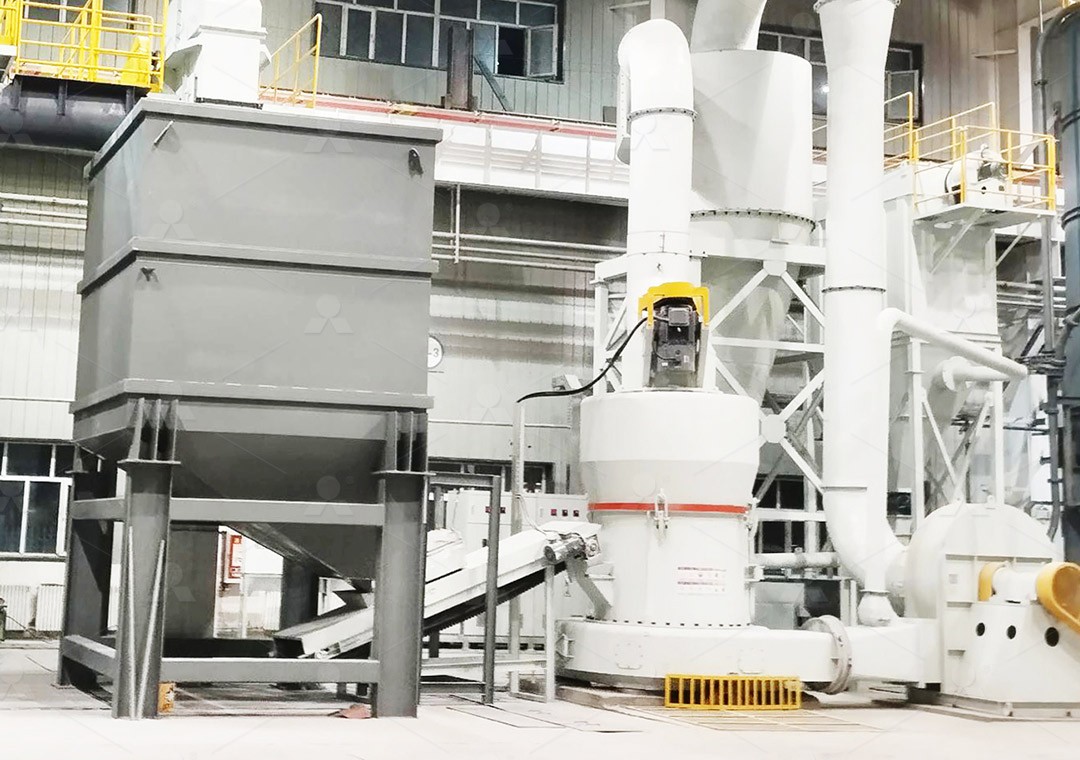
3. Power Supply and Electrical Infrastructure: High-capacity mills are power-hungry. Expenses include not only the cost of the power itself but also the installation of high-voltage switchgear, transformers, motor control centers (MCCs), and extensive cabling. The distance from the main power source to the mill site can add considerable cost.
4. Labor and Expertise: Skilled millwrights, electricians, and engineers are required for a proper installation. Their rates, along with the project’s duration, form a major cost component. Complex installations requiring specialized expertise will command higher labor costs.
Mitigating Costs Through Equipment Selection
Choosing the right mill from the outset is the most effective way to control overall project costs. A mill designed for efficiency, reliability, and easier maintenance can drastically reduce long-term operational and downtime expenses, justifying a potentially higher initial investment.
For operations requiring ultra-fine powders in the range of 325-2500 meshes, the MW Ultrafine Grinding Mill presents a compelling solution. Its design directly addresses several cost-driving factors. Its higher yield and lower energy consumption—reportedly 40% higher capacity than jet mills and 30% lower system energy consumption—translate to lower operating costs from day one. Furthermore, its external lubrication system allows for maintenance without shutdowns, a feature that prevents costly production losses. The integrated efficient pulse dust collector and muffler also mean lower costs for additional environmental mitigation equipment.
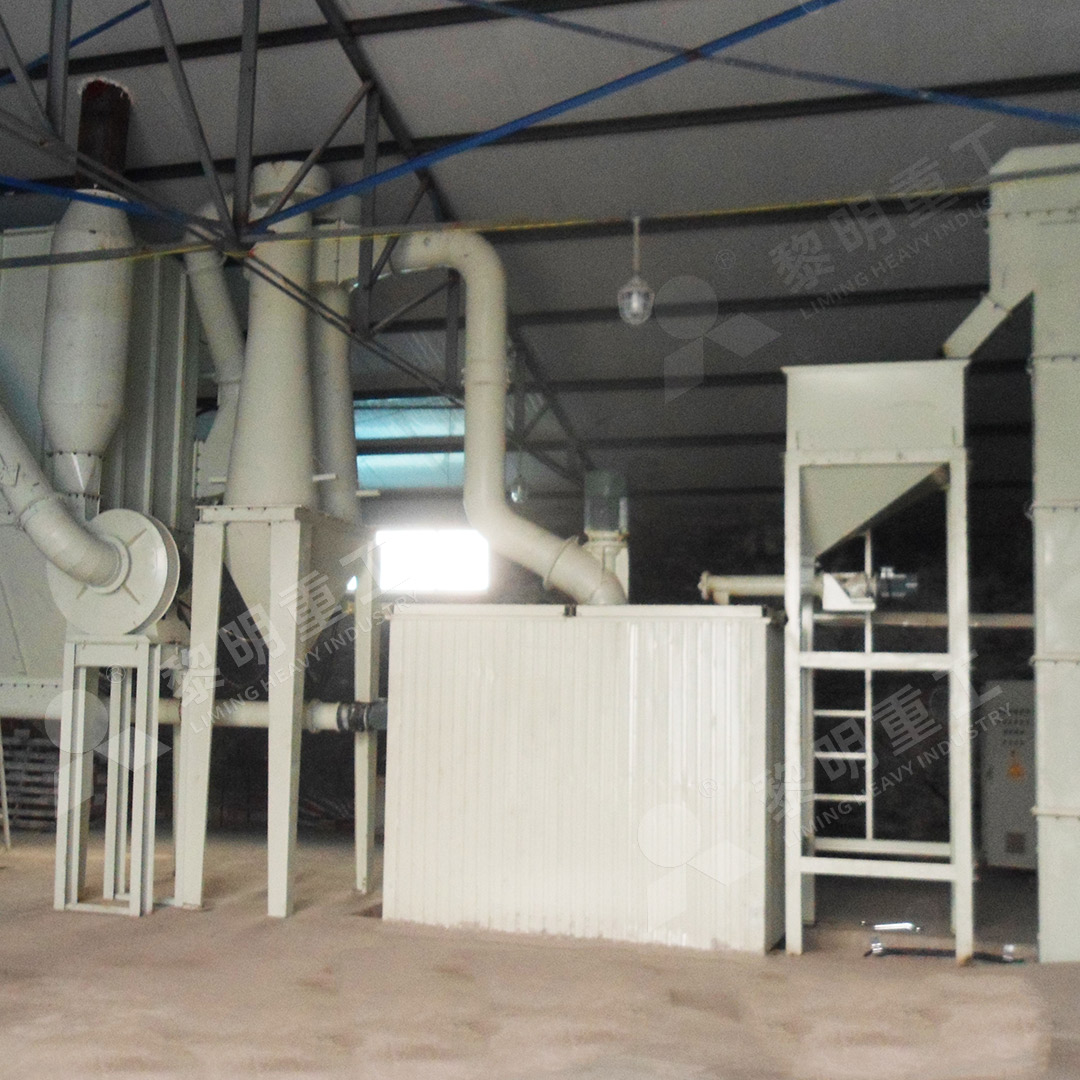
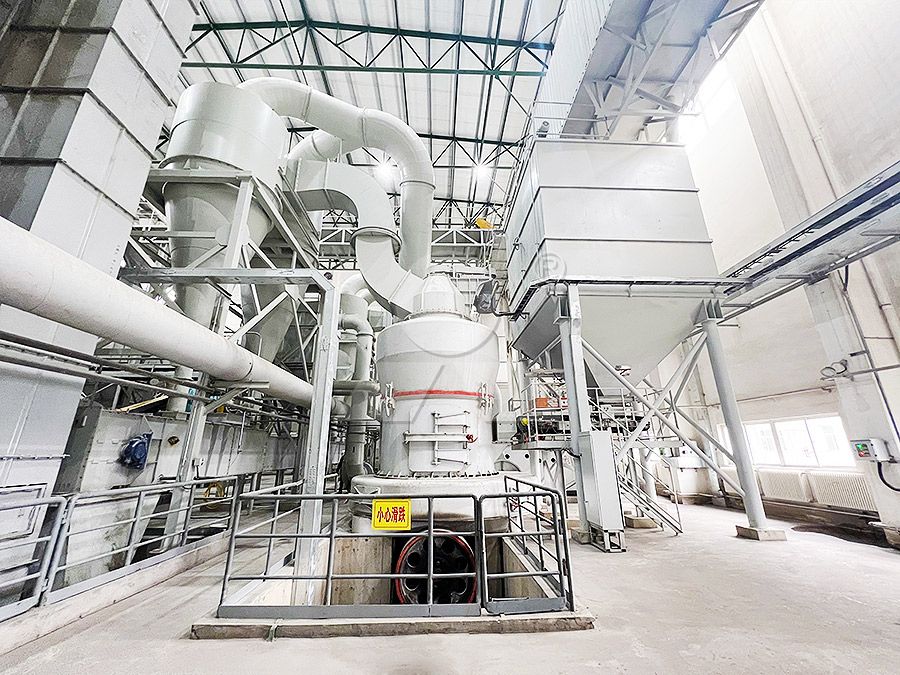
Another excellent option for fine and ultra-fine grinding is the LUM Ultrafine Vertical Grinding Mill. Its vertical footprint is inherently smaller, reducing the required building space and civil engineering costs. Features like its reversible structure, which allows grinding rollers to be easily moved out for maintenance, drastically reduce the time and cost associated with servicing. The PLC control system and multi-head powder separating technology optimize performance and energy use, contributing to a lower total cost of ownership.
Hidden and Long-Term Cost Considerations
Beyond installation, consider spare parts inventory, the availability of technical support, and the expected lifespan of wear parts. Mills with longer-lasting rollers and rings, and those backed by a manufacturer with a strong supply chain for genuine spare parts, provide more predictable budgeting and avoid expensive emergency downtime.
Conclusion
A thorough cost analysis for a grinding mill installation must look at the holistic picture: foundation, auxiliary systems, power, labor, and the long-term operational economics dictated by the mill’s design. Investing in advanced, efficient technology like the MW or LUM series grinding mills is not just a purchase of equipment; it’s a strategic decision that minimizes both initial installation challenges and lifetime operating costs, ensuring a more profitable and sustainable operation.