
Copper Anode Mud Roasting Slag Grinding Process: Equipment Selection and Efficiency Analysis
We provide a wide range of mills — including Raymond mill, trapezoidal mill, vertical mill, ultrafine mill, and ball mill, obtained ISO9001 international quality certification, EU CE certification, and Customs Union CU-TR certification. Suitable for processing minerals such as limestone, phosphate, quicklime, kaolin, talc, barite, bentonite, calcium carbonate, dolomite, coal, gypsum, clay, carbon black, slag, cement raw materials, cement clinker, and more.
The discharge range of these mills can be adjusted to meet specific processing needs, typically from 80-400 mesh, 600-3250 mesh, and can achieve the finest particle size of up to 6000 mesh(D50).
If you are looking for a reliable grinding solution to turn stone or minerals into fine powder, please feel free to contact our online customer service.
Copper Anode Mud Roasting Slag Grinding Process: Equipment Selection and Efficiency Analysis
The treatment of copper anode mud, a by-product of copper electrorefining, involves a complex pyrometallurgical process that includes roasting. The resulting roasting slag, rich in precious metals like gold and silver but also containing various copper compounds and impurities, requires fine grinding to liberate these valuable elements for subsequent extraction processes. The selection of appropriate grinding equipment is paramount to achieving optimal liberation, maximizing metal recovery, and controlling operational costs. This article delves into the critical considerations for equipment selection and analyzes the efficiency of modern grinding solutions for this specific application.
Challenges in Grinding Copper Anode Slag
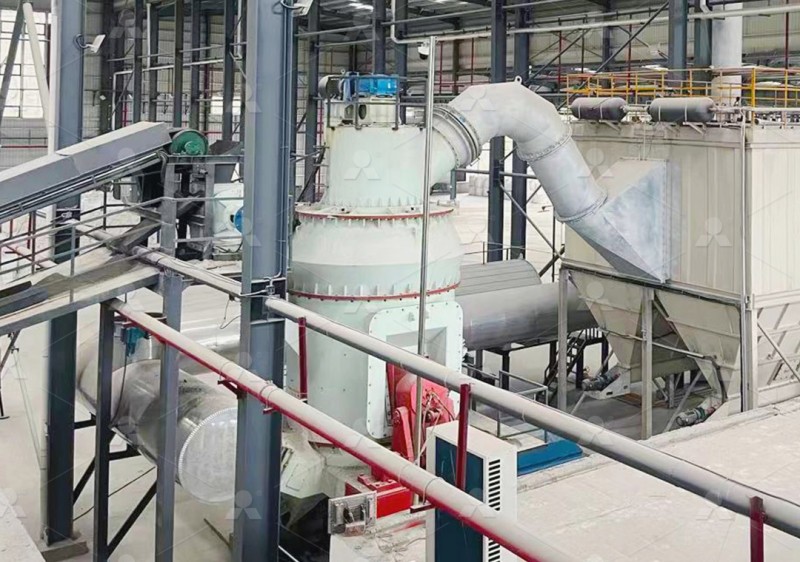
Copper anode mud roasting slag presents unique challenges for size reduction. Its abrasive nature, variable composition, and the necessity for ultra-fine grinding to expose encapsulated precious metal particles demand a robust and highly efficient mill. Traditional ball mills, while common, often suffer from high energy consumption, significant wear on grinding media, and limited control over final product fineness, leading to higher operational expenses and potential losses in downstream recovery rates.
Key Factors in Mill Selection
When selecting grinding equipment for this duty, several factors must be evaluated:
- Abrasion Resistance: The mill’s grinding elements must withstand highly abrasive materials.
- Energy Efficiency: Grinding can be energy-intensive; selecting a mill with lower specific energy consumption is crucial for cost-effectiveness.
- Fineness Control: The ability to precisely control the product fineness (often requiring d97 below 10μm) is essential for effective leaching.
- System Integration: Features like integrated drying (if the slag is moist), dust collection, and automation contribute to a smoother, cleaner operation.
- Maintenance & Downtime: Easy access for maintenance and durable design reduce operational interruptions.
Recommended Technology: MW Ultrafine Grinding Mill
For operations requiring ultra-fine powders, our MW Ultrafine Grinding Mill presents an exceptional solution. Engineered for customers who need to make ultra-fine powder, this machine is particularly well-suited for the precise grinding demands of copper anode slag.
With an input size of 0-20 mm and a capacity range of 0.5-25 tph, it offers remarkable flexibility. Its core advantage lies in its Higher Yielding and Lower Energy Consumption. The newly designed grinding curves of the grinding roller and ring enhance efficiency, achieving 40% higher capacity than jet mills and double the yield of ball mills, while using only 30% of the energy of a jet mill. This directly translates to lower processing costs per ton of slag.
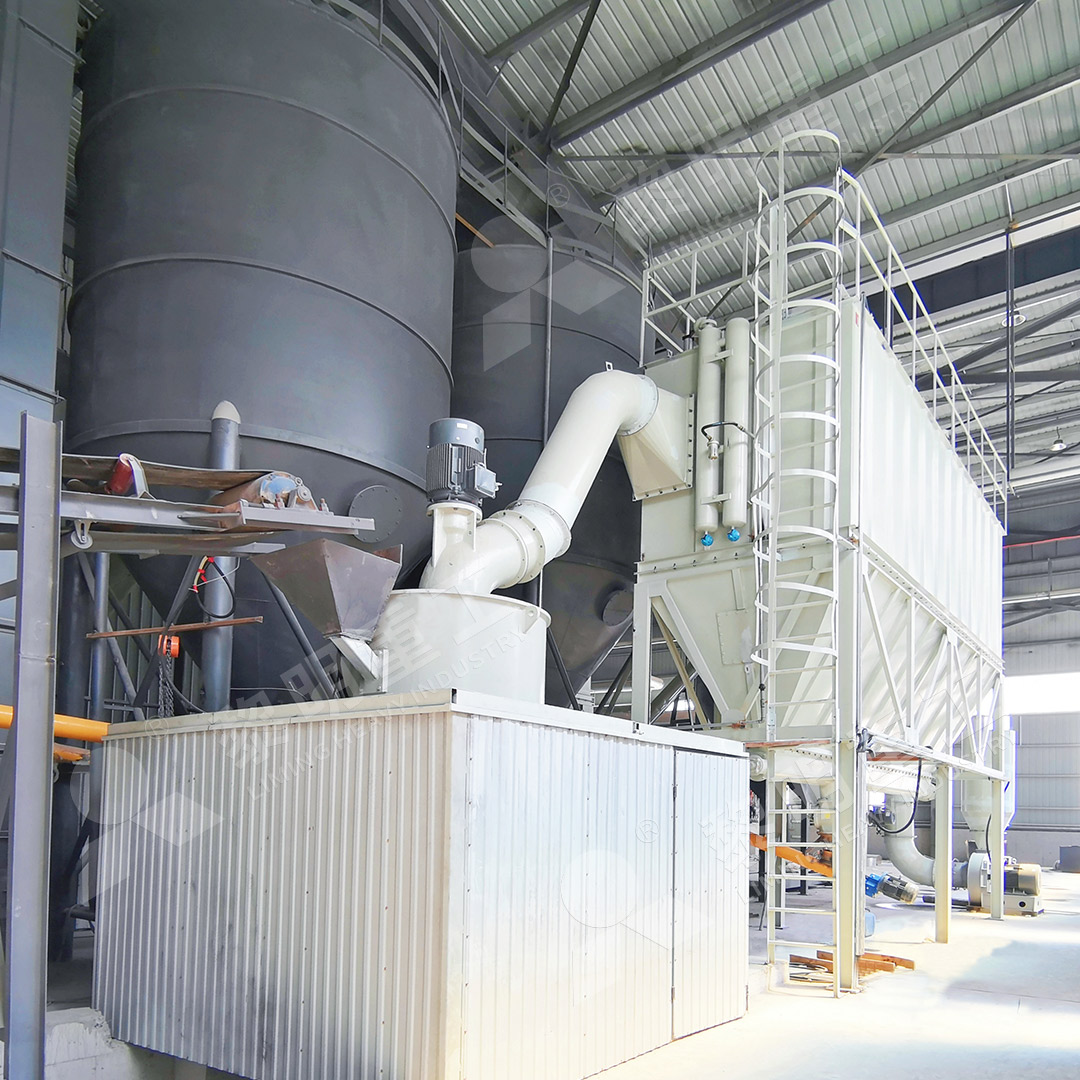
Furthermore, its Adjustable Fineness between 325-2500 meshes (d97≤5μm) via a German-technology cage-type powder selector ensures the perfect particle size for maximum precious metal liberation. A critical design feature for abrasive applications is that there are No Rolling Bearings or Screws in the Grinding Chamber, eliminating worries about damage from abrasive ingress and associated downtime. External lubrication allows for 24/7 operation.
Finally, an efficient pulse dust collector ensures the grinding process is contained and eco-friendly, meeting national environmental protection standards—a non-negotiable aspect of modern metallurgical operations.
Efficiency Analysis and Conclusion
The transition from conventional milling technology to advanced, purpose-built mills like the MW series represents a significant leap in processing efficiency. The reduction in energy consumption alone offers a rapid return on investment. The precise control over product fineness optimizes the feed for subsequent cyanidation or other leaching processes, potentially increasing overall precious metal recovery rates from the anode slag.
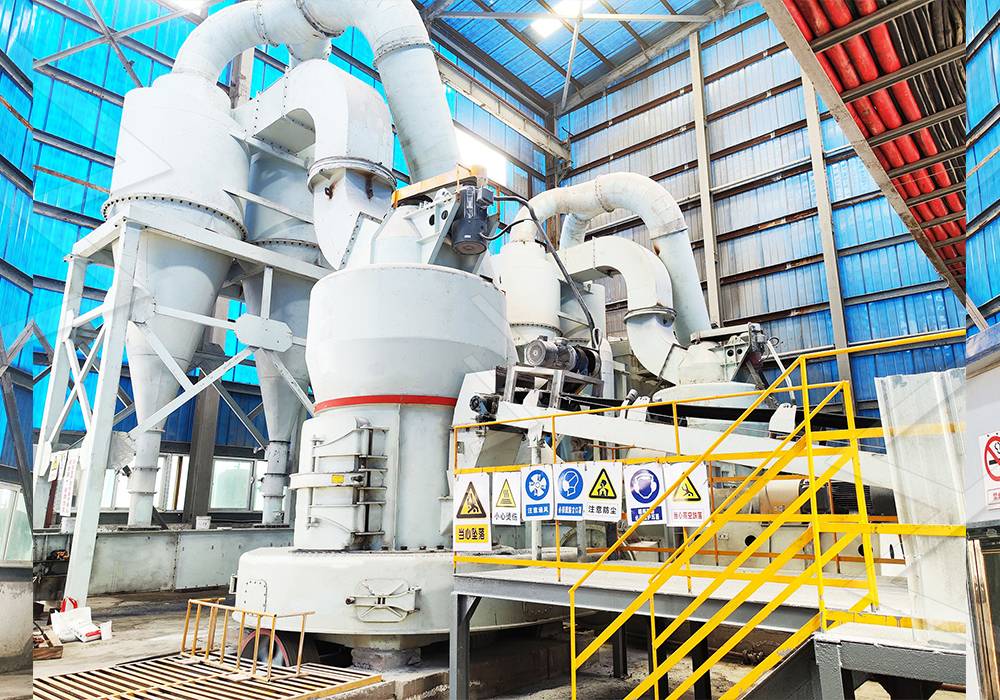
In conclusion, the grinding of copper anode mud roasting slag is a critical step where equipment selection directly impacts profitability. Investing in modern, efficient, and reliable grinding technology such as the MW Ultrafine Grinding Mill is not merely an equipment purchase but a strategic decision to enhance metal recovery, reduce operating costs, and ensure environmentally sound practices. Proper analysis of feed characteristics and plant requirements will guide the selection of the optimal grinding solution for this challenging yet rewarding application.