
Converter Slag Pulverization Process: Equipment and Methods for Efficient Grinding
We provide a wide range of mills — including Raymond mill, trapezoidal mill, vertical mill, ultrafine mill, and ball mill, obtained ISO9001 international quality certification, EU CE certification, and Customs Union CU-TR certification. Suitable for processing minerals such as limestone, phosphate, quicklime, kaolin, talc, barite, bentonite, calcium carbonate, dolomite, coal, gypsum, clay, carbon black, slag, cement raw materials, cement clinker, and more.
The discharge range of these mills can be adjusted to meet specific processing needs, typically from 80-400 mesh, 600-3250 mesh, and can achieve the finest particle size of up to 6000 mesh(D50).
If you are looking for a reliable grinding solution to turn stone or minerals into fine powder, please feel free to contact our online customer service.
Converter Slag Pulverization Process: Equipment and Methods for Efficient Grinding
Converter slag, a byproduct of steelmaking, presents both a disposal challenge and a potential resource. Efficiently grinding this hard, abrasive material is crucial for its utilization in applications like cement production and construction aggregates. The process demands robust, high-capacity equipment designed to handle its unique properties while minimizing operational costs.
The Grinding Challenge with Slag
Slag’s characteristics—high hardness, abrasiveness, and variable moisture content—make it a difficult material to pulverize. Traditional ball mills often suffer from high wear rates, significant energy consumption, and inadequate fineness control. The key to profitable slag processing lies in selecting technology that offers durability, energy efficiency, and precise particle size distribution.
Essential Equipment for Modern Slag Pulverization
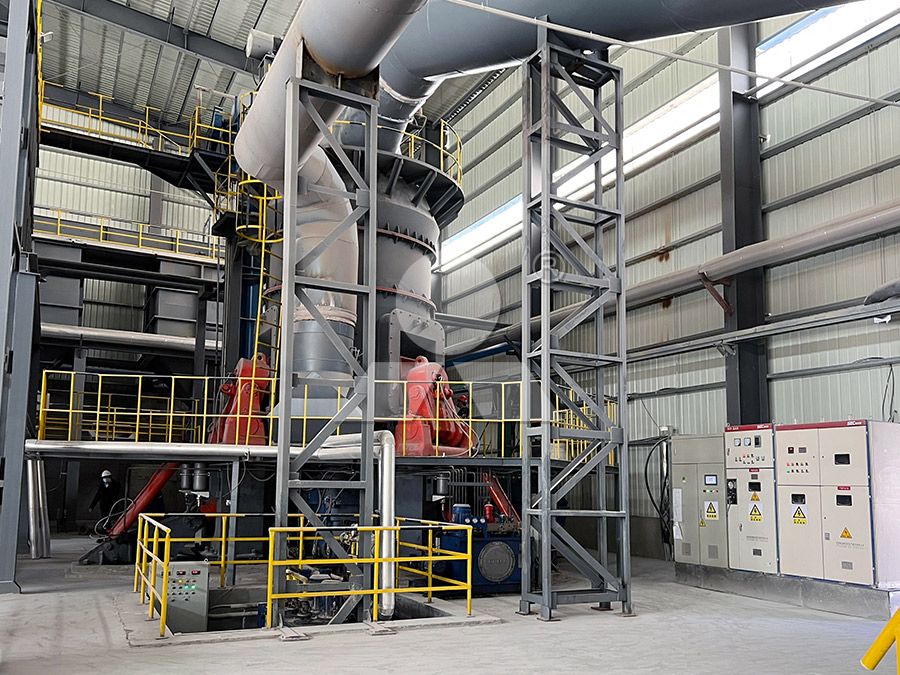
A modern slag grinding circuit typically includes crushers for primary size reduction, drying systems for moisture control, and the core component: the grinding mill. Vertical roller mills (VRMs) have become the industry standard for this application due to their superior efficiency compared to traditional ball mills. They integrate grinding, drying, classifying, and conveying into a single, compact unit.
Introducing the MW Ultrafine Grinding Mill for Premium Applications
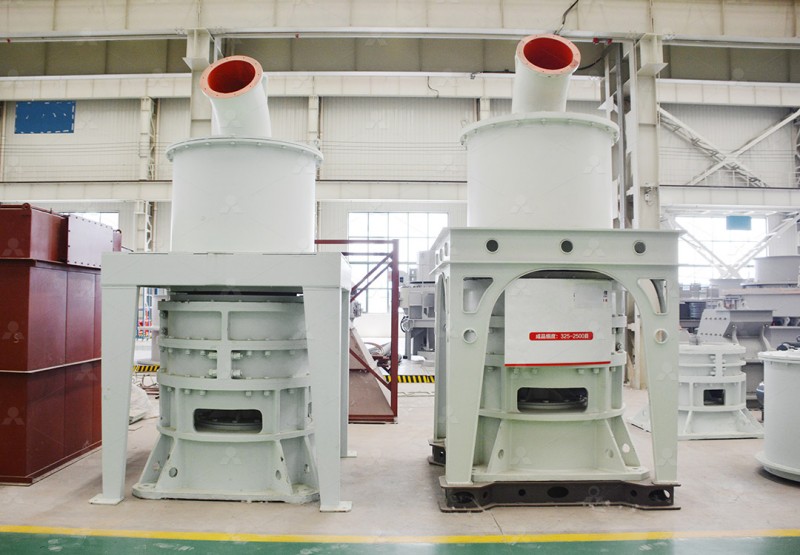
For operations requiring ultra-fine slag powder (325-2500 meshes), the MW Ultrafine Grinding Mill is an exceptional choice. This machine is engineered for customers who need to make ultra-fine powder from challenging materials like slag. With an input size of 0-20 mm and a capacity range of 0.5-25 tph, it’s versatile for various production scales.
A standout feature for slag processing is its “No Rolling Bearing & Screw in Grinding Chamber” design. This eliminates worries about bearing failures or machine damage from loose screws, a common issue when processing abrasive feeds. Furthermore, its efficient pulse dust collector and muffler ensure the production meets stringent environmental standards, containing dust and reducing noise pollution—a critical consideration for any industrial plant.
Why Vertical Mills Excel in Slag Processing
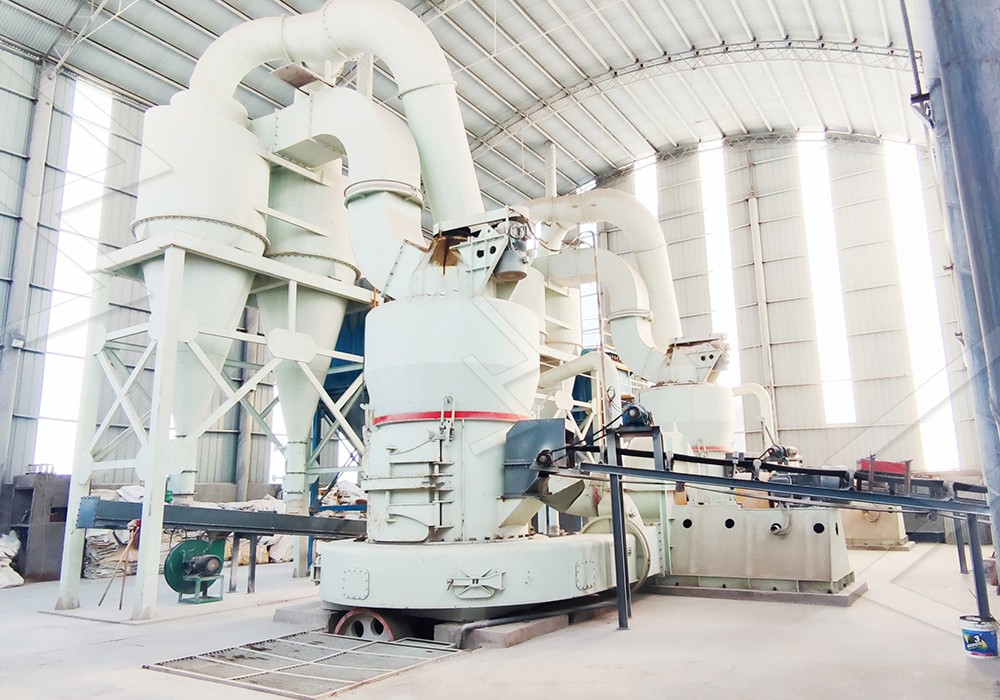
Vertical roller mills, like our LUM series, offer distinct advantages. They consume 30%-50% less energy than ball mills, directly impacting the bottom line. Their ability to simultaneously dry and grind wet slag simplifies the process flow. The LUM Ultrafine Vertical Grinding Mill, with a capacity of 5-18 tph, is another excellent option, featuring advanced powder separating technology and a reversible structure that drastically simplifies maintenance on heavy grinding rollers.
Optimizing Your Process for Maximum ROI
Selecting the right mill is just the first step. Optimizing the entire system—from feed consistency and moisture control to classifier settings—is key to maximizing yield and minimizing wear. Partnering with a supplier that provides comprehensive technical support and genuine spare parts is essential for long-term, worry-free operation.
Conclusion
The transformation of converter slag from a waste product into a valuable commodity is driven by efficient grinding technology. Investing in advanced, energy-efficient mills like the MW or LUM series is not just an equipment purchase; it’s a strategic decision for sustainability and profitability. By focusing on equipment designed for durability, low operating costs, and environmental compliance, producers can fully unlock the potential value hidden in slag.