
Construction and Working Principle of Ball Mill for Mineral Grinding
We provide a wide range of mills — including Raymond mill, trapezoidal mill, vertical mill, ultrafine mill, and ball mill, obtained ISO9001 international quality certification, EU CE certification, and Customs Union CU-TR certification. Suitable for processing minerals such as limestone, phosphate, quicklime, kaolin, talc, barite, bentonite, calcium carbonate, dolomite, coal, gypsum, clay, carbon black, slag, cement raw materials, cement clinker, and more.
The discharge range of these mills can be adjusted to meet specific processing needs, typically from 80-400 mesh, 600-3250 mesh, and can achieve the finest particle size of up to 6000 mesh(D50).
If you are looking for a reliable grinding solution to turn stone or minerals into fine powder, please feel free to contact our online customer service.
Construction and Working Principle of Ball Mill for Mineral Grinding
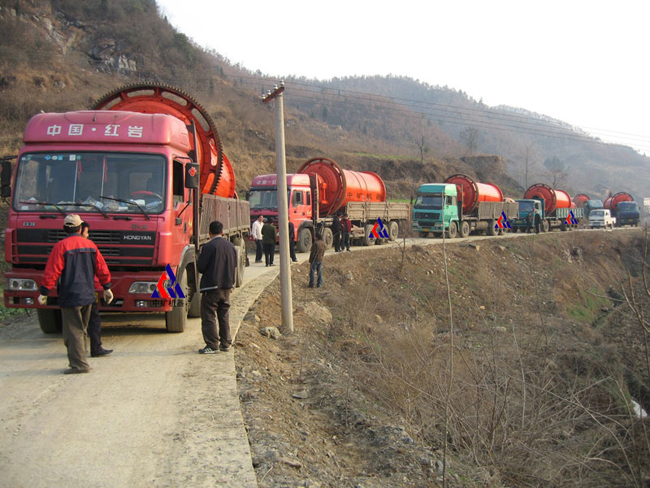
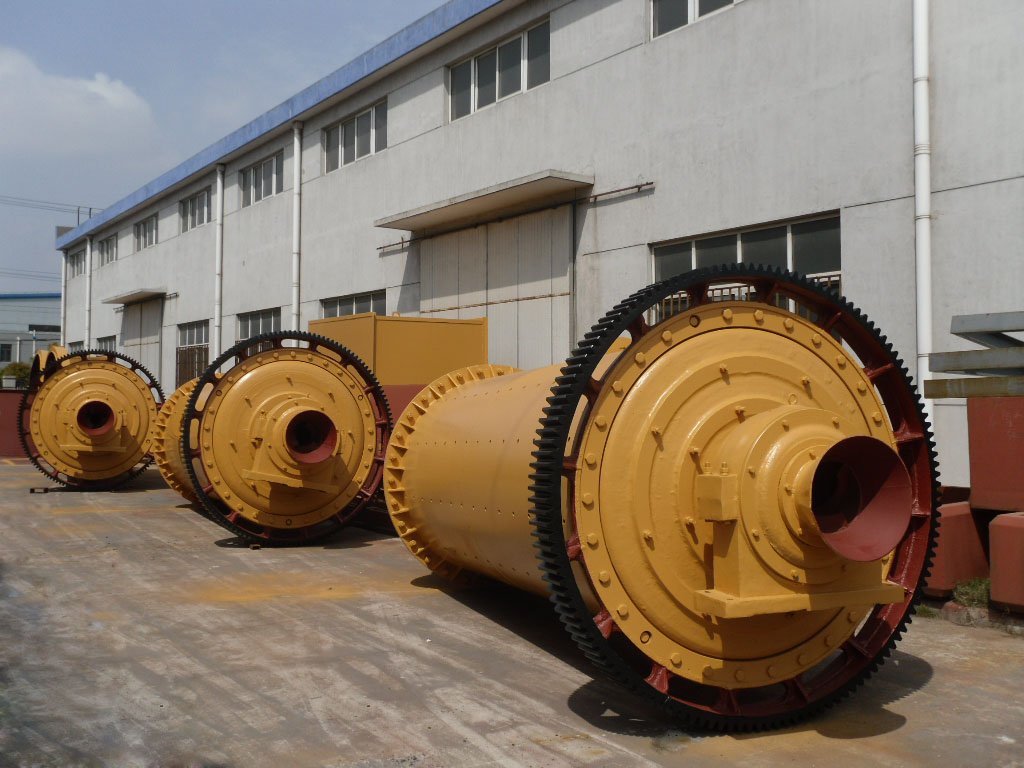
Ball mills are a fundamental piece of equipment in the mineral processing industry, used for fine grinding of ores and other materials. The basic construction of a ball mill consists of a hollow cylindrical shell rotating about its horizontal axis. The shell is typically made of steel and lined with abrasion-resistant materials like manganese steel or rubber. The length of the cylinder is slightly more than its diameter. The grinding is performed by the impact and attrition of the charge, which consists of the material to be ground and the grinding media, usually steel or ceramic balls.
Key Components
The main parts of a ball mill include the feed and discharge heads, the trunnion bearings, the mill shell, and the liners. The material to be ground is fed through a hollow trunnion at one end and is discharged through the opposite end. The size reduction is achieved as the balls drop from near the top of the shell in a cascading motion. The critical speed is the speed at which the centrifugal force is just sufficient to cause the balls to be carried around the inner surface without falling. Operating above this speed is not efficient for grinding.
Working Principle
The motor drives the rotation of the cylinder through a reduction gearbox. As the cylinder rotates, the grinding media (balls) are lifted up on the rising side of the shell and then cascade down (or cataract down), impacting the ore particles below. This combination of impact and abrasion grinds the material into a fine powder. The fineness of the final product is controlled by the retention time and the size of the grinding media. A classifier is often used in a closed-circuit system to separate fine particles and return coarse material for further grinding.
Limitations and Modern Alternatives
While ball mills are versatile and have lower initial investment costs, they can be less energy-efficient compared to newer grinding technologies. They also have a larger footprint and can generate significant noise and vibration. For operations requiring ultra-fine powders with higher efficiency and lower energy consumption, advanced mills are a superior choice.
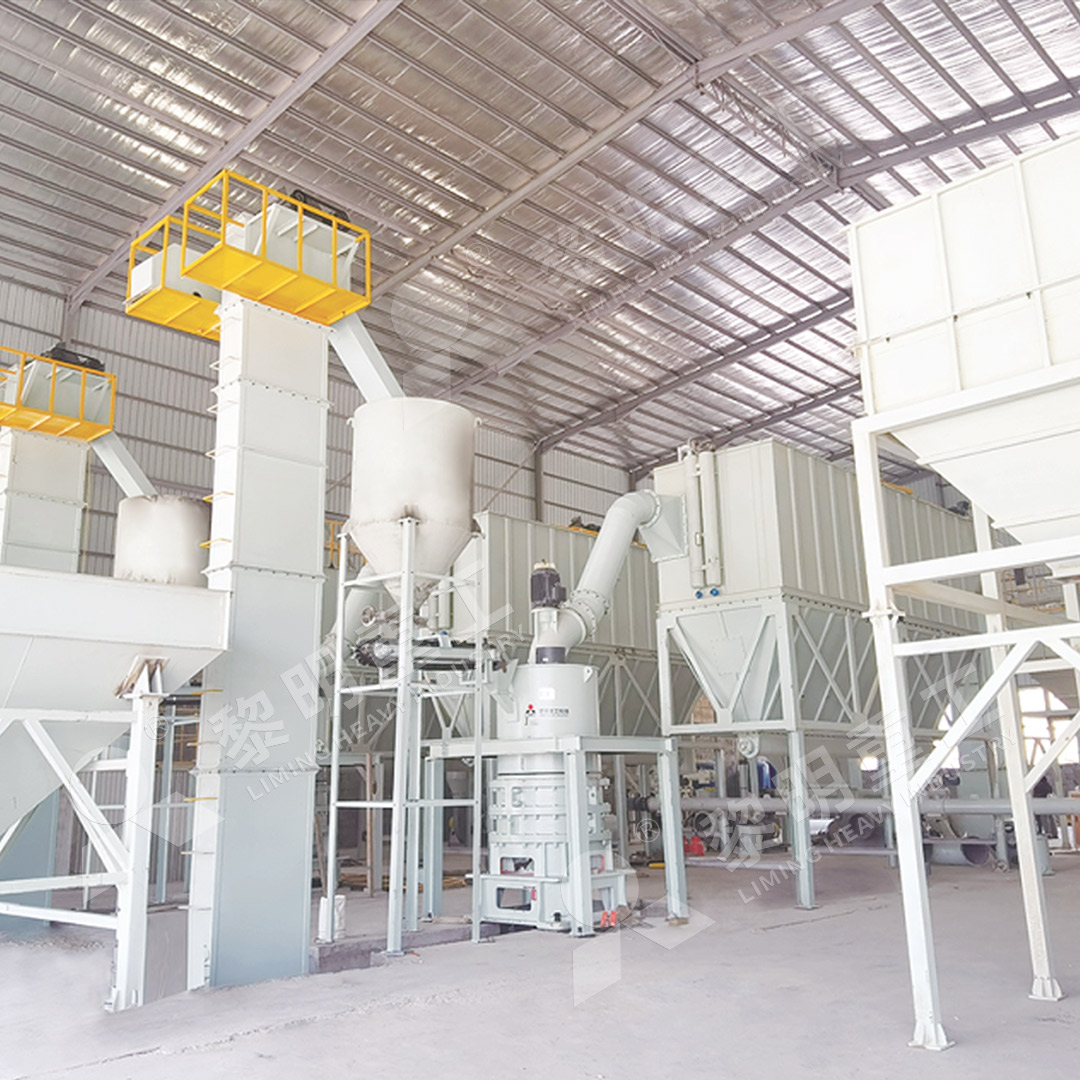
For instance, our MW Ultrafine Grinding Mill is an excellent alternative designed for customers who need to make ultra-fine powder. With an input size of 0-20 mm and a capacity range of 0.5-25 tph, it is highly versatile. It features a newly designed grinding curve for rollers and rings, enhancing grinding efficiency. Its production capacity is 40% higher than jet mills and twice that of ball mills for the same fineness and power, while system energy consumption is only 30% of a jet mill. It can achieve an adjustable fineness between 325-2500 meshes and is equipped with an efficient pulse dust collector and muffler for eco-friendly operation.
Another robust solution from our portfolio is the LUM Ultrafine Vertical Grinding Mill. It integrates ultrafine powder grinding, grading, and transporting, making it a premier choice. With an input size of 0-10 mm and capacity of 5-18 tph, it features unique roller shell and lining plate grinding curves for higher yield and better product quality. It utilizes multi-head powder separating technology and PLC control for more precise operation, reducing energy consumption by 30%-50% compared to common grinding mills.
Conclusion
Understanding the construction and working principle of the traditional ball mill is essential, but embracing modern, efficient technology is key to staying competitive. Our MW and LUM series mills offer significant advantages in energy savings, higher yield, finer product control, and environmental friendliness, making them ideal for the next generation of mineral grinding applications.