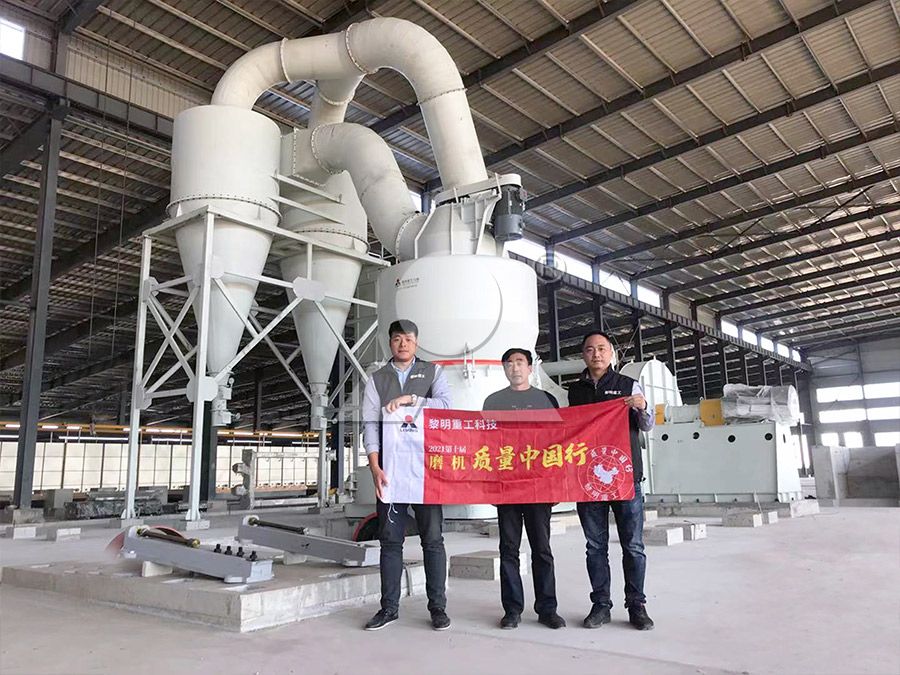
Conical Mill for Stone Grinding in Rajasthan: A Comprehensive Guide
We provide a wide range of mills — including Raymond mill, trapezoidal mill, vertical mill, ultrafine mill, and ball mill, obtained ISO9001 international quality certification, EU CE certification, and Customs Union CU-TR certification. Suitable for processing minerals such as limestone, phosphate, quicklime, kaolin, talc, barite, bentonite, calcium carbonate, dolomite, coal, gypsum, clay, carbon black, slag, cement raw materials, cement clinker, and more.
The discharge range of these mills can be adjusted to meet specific processing needs, typically from 80-400 mesh, 600-3250 mesh, and can achieve the finest particle size of up to 6000 mesh(D50).
If you are looking for a reliable grinding solution to turn stone or minerals into fine powder, please feel free to contact our online customer service.
Conical Mill for Stone Grinding in Rajasthan: A Comprehensive Guide
Rajasthan, the land of majestic forts and vibrant culture, is also home to a thriving mining and mineral processing industry. The state’s rich deposits of limestone, marble, calcite, and other non-metallic minerals demand efficient and reliable grinding solutions. For operations ranging from small-scale workshops to large industrial plants, choosing the right conical mill is paramount to profitability and product quality. The arid climate and specific mineral characteristics here present unique challenges that not every mill can handle.
The Grinding Landscape in Rajasthan
Stone processing units across cities like Jaipur, Udaipur, and Jodhpur process everything from soft talc to hard granite. The key to success lies in achieving the desired fineness (often between 200 to 2500 meshes for various applications) while keeping operational costs—especially energy consumption—under control. Dust control is another critical factor, given the environmental regulations and the need to maintain a safe workplace. A mill that integrates efficient dust collection isn’t just a machine; it’s a necessity.
Key Considerations for Mill Selection
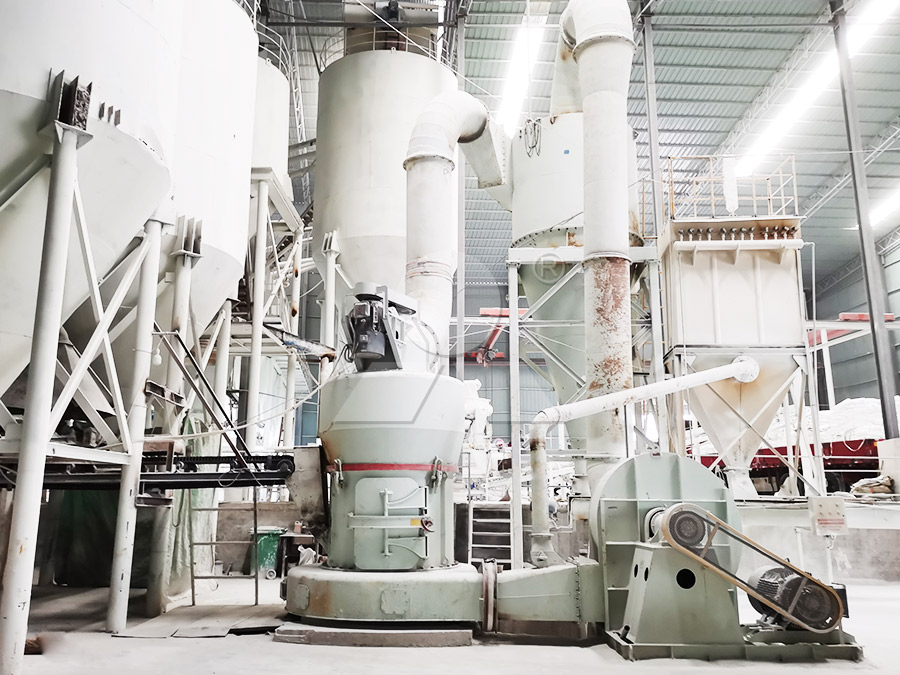
When selecting a conical mill for grinding stone in Rajasthan, several factors come into play. The input size of the raw material is crucial; some mills handle lumps up to 70mm, while others are designed for finer feeds. Capacity requirements vary widely—a small pottery unit might need only 0.5 tons per hour, while a large cement additive plant might require 300+ tph. Other considerations include the availability of spare parts (to avoid costly downtime), ease of maintenance in dusty environments, and the mill’s ability to produce consistent fineness despite variations in material hardness.
Recommended Solution: MW Ultrafine Grinding Mill
For many Rajasthani operations processing minerals like calcite, dolomite, or marble into high-value powders for paint, cosmetics, or pharmaceuticals, the MW Ultrafine Grinding Mill stands out as an exceptional choice. This machine is specifically engineered for customers who need to make ultra-fine powder with precision.
Here’s why it fits so well:
Input Size: 0-20 mm | Capacity: 0.5-25 tph
Its newly designed grinding curves of the roller and ring enhance efficiency dramatically. With the same fineness and power, its production capacity is 40% higher than jet mills and double that of ball mills, yet it consumes 30% less energy—a critical advantage in a region where power costs can be volatile.
A standout feature is its adjustable fineness between 325-2500 meshes, achieved through a German-technology cage-type powder selector. This allows operators to precisely meet client specifications for everything from coarse fillers to superfine cosmetic powders. Furthermore, its design eliminates rolling bearings and screws inside the grinding chamber, a common failure point in dusty environments. This means fewer breakdowns and worry-free operation, which is vital for remote locations where technical support might take time to arrive.
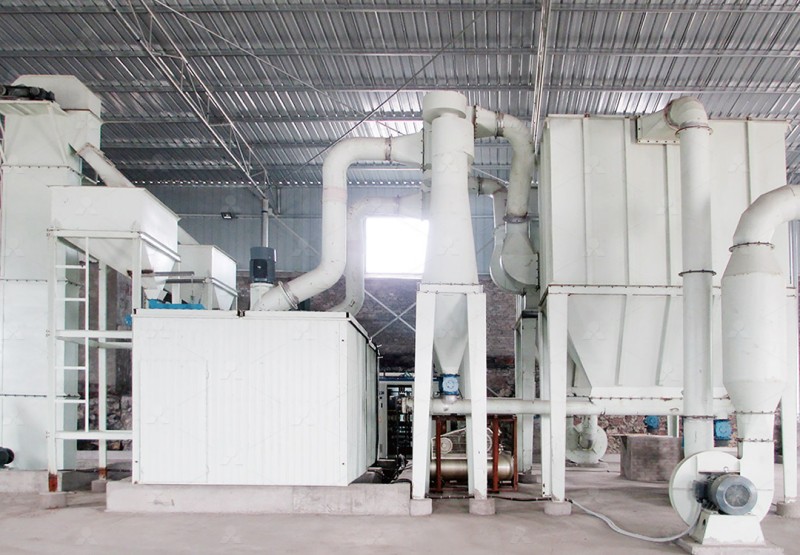
Perhaps most importantly for sustainable development, the MW Mill comes equipped with an efficient pulse dust collector and muffler. This ensures the entire production process meets national environmental standards, containing dust and reducing noise—a significant benefit for operators mindful of their environmental footprint and worker health.
Another Strong Contender: LUM Ultrafine Vertical Grinding Mill
For operations requiring a different approach, the LUM Ultrafine Vertical Grinding Mill is another top-tier technology. Integrating grinding, grading, and transporting, it’s a robust choice for superfine dry powder production. Its unique roller shell and lining plate grinding curve generate a material layer easily, enabling a high rate of finished product in a single pass, which improves efficiency and the whiteness of the final product—a key quality metric for many Rajasthani minerals.
Conclusion
Investing in the right conical mill is investing in the future of your Rajasthani stone processing business. It’s not just about pulverizing rock; it’s about maximizing yield, minimizing costs, and operating responsibly. Technologies like the MW Ultrafine Grinding Mill, with their blend of high efficiency, precision, and environmental consciousness, are perfectly poised to help producers in Rajasthan unlock the full value of their mineral wealth and thrive in a competitive market.