
Comprehensive Guide to Large-Scale Slag Grinding Mill Maintenance and Overhaul
We provide a wide range of mills — including Raymond mill, trapezoidal mill, vertical mill, ultrafine mill, and ball mill, obtained ISO9001 international quality certification, EU CE certification, and Customs Union CU-TR certification. Suitable for processing minerals such as limestone, phosphate, quicklime, kaolin, talc, barite, bentonite, calcium carbonate, dolomite, coal, gypsum, clay, carbon black, slag, cement raw materials, cement clinker, and more.
The discharge range of these mills can be adjusted to meet specific processing needs, typically from 80-400 mesh, 600-3250 mesh, and can achieve the finest particle size of up to 6000 mesh(D50).
If you are looking for a reliable grinding solution to turn stone or minerals into fine powder, please feel free to contact our online customer service.
Comprehensive Guide to Large-Scale Slag Grinding Mill Maintenance and Overhaul
Maintaining large-scale slag grinding mills requires a systematic approach that balances operational efficiency with proactive maintenance strategies. As industrial operations increasingly demand higher throughput and reliability, understanding the intricacies of mill maintenance becomes paramount for minimizing downtime and maximizing return on investment.

Understanding Mill Components and Wear Patterns
The foundation of effective maintenance begins with comprehensive knowledge of mill components and their typical wear characteristics. Grinding rollers and tables experience the most significant abrasion in slag processing applications. Regular monitoring of wear patterns can reveal valuable information about operational efficiency and potential issues. For instance, uneven wear on grinding rollers often indicates improper alignment or feed distribution problems that require immediate attention.
Modern mills incorporate advanced monitoring systems that track vibration, temperature, and pressure parameters in real-time. These systems provide early warning of developing issues, allowing maintenance teams to schedule interventions before catastrophic failures occur. The integration of IoT sensors has revolutionized predictive maintenance strategies, enabling data-driven decisions that optimize component lifespan.
Preventive Maintenance Protocols
Establishing rigorous preventive maintenance schedules is crucial for uninterrupted operation. Daily inspections should include visual checks for oil leaks, unusual noises, and vibration abnormalities. Weekly maintenance tasks typically involve lubrication system verification, drive alignment checks, and separator efficiency assessments. Monthly comprehensive inspections should examine wear parts, hydraulic systems, and electrical components systematically.
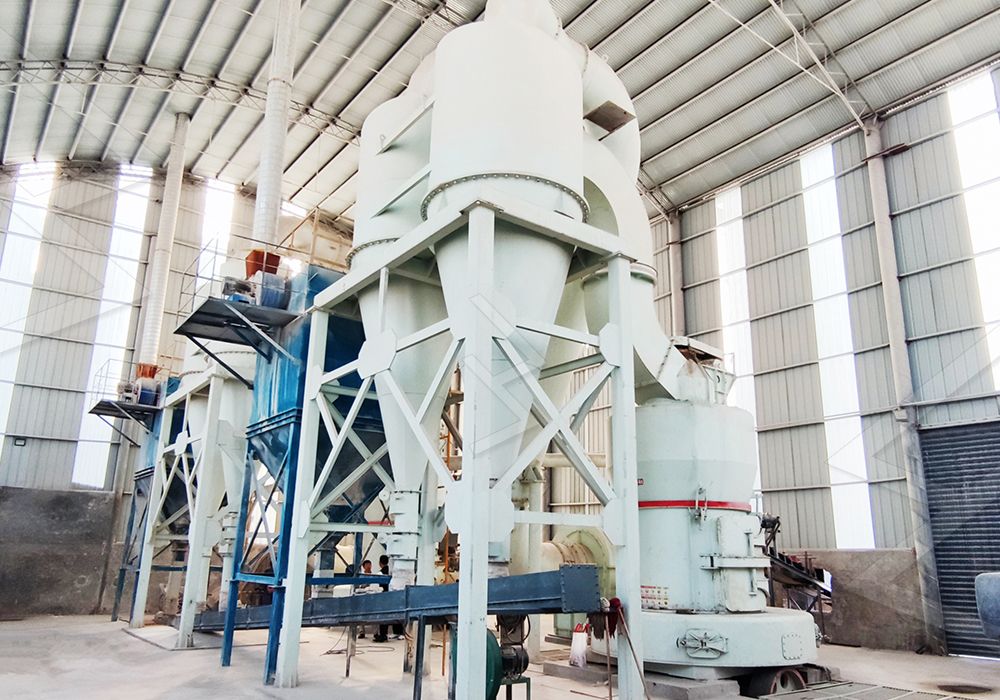
For operations requiring ultra-fine powder production with minimal environmental impact, the MW Ultrafine Grinding Mill presents an excellent solution. With its input size capacity of 0-20 mm and throughput ranging from 0.5-25 tph, this machine addresses common maintenance concerns through innovative design. The absence of rolling bearings and screws in the grinding chamber eliminates frequent failure points, while the external lubrication system enables maintenance without production stoppages.
Major Overhaul Procedures
Planning a major overhaul requires meticulous preparation and resource allocation. The process typically begins with a complete system shutdown and lockout-tagout procedures to ensure technician safety. Critical overhaul activities include grinding element replacement, drive system inspection, separator refurbishment, and control system calibration.
When replacing grinding components, proper running-in procedures are essential for achieving optimal performance. New rollers and tables require gradual exposure to operating conditions to establish correct surface profiles and ensure even wear distribution. Skipping this critical step often leads to premature failure and reduced efficiency.
Advanced Monitoring Techniques
Contemporary maintenance strategies leverage advanced monitoring technologies to extend equipment lifespan. Vibration analysis provides insights into bearing condition, alignment issues, and structural integrity. Thermal imaging identifies overheating components before they fail, while oil analysis detects contamination and wear particle concentration that indicate internal component degradation.
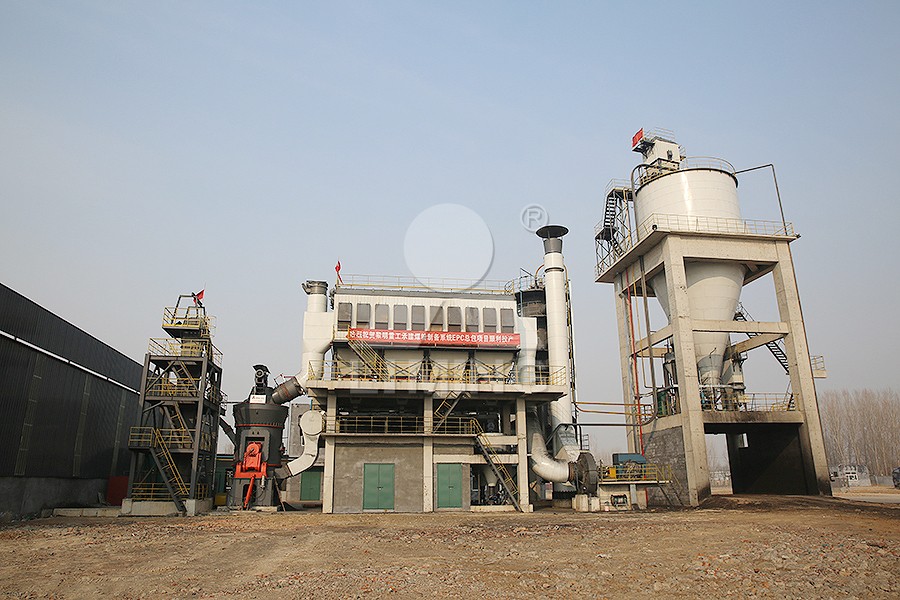
The LUM Ultrafine Vertical Grinding Mill incorporates several features that simplify maintenance procedures. Its reversible structure allows easy access to grinding rollers for inspection and replacement, significantly reducing downtime during overhaul activities. With capacity ranging from 5-18 tph and input size handling up to 10 mm, this mill’s double position-limiting technology prevents destructive impacts during operation, enhancing component longevity.
Environmental Considerations and Dust Control
Slag grinding operations generate significant dust, requiring robust collection systems to maintain environmental compliance and protect equipment. Regular inspection of filter bags, pulse-jet cleaning mechanisms, and ductwork ensures optimal dust capture efficiency. Modern mills like the MW series incorporate efficient pulse dust collectors and mufflers that minimize environmental impact while reducing maintenance requirements through accessible design.
Dust collector maintenance should include pressure drop monitoring across filter elements, as increasing differential pressure indicates blinding that requires attention. Scheduled filter replacement based on operational hours prevents unexpected downtime and maintains collection efficiency.
Spare Parts Management and Inventory Optimization
Effective spare parts management balances inventory costs against the risk of production losses from extended downtime. Critical spares including grinding rollers, tables, hydraulic components, and drive elements should be maintained based on statistical failure rates and lead times for procurement. Implementing a computerized maintenance management system (CMMS) enables data-driven decisions about inventory levels and reorder points.
Training and Documentation
Comprehensive documentation of maintenance procedures, troubleshooting guides, and component specifications forms the foundation of an effective maintenance program. Regular training ensures that technical staff remain current with evolving technologies and best practices. Cross-training across multiple equipment types builds organizational resilience and reduces dependency on specialized personnel.
FAQ
What is the typical interval between major overhauls for large slag grinding mills?
Major overhaul intervals vary based on operational hours, material abrasiveness, and maintenance practices, but typically range from 24,000 to 36,000 operating hours. Mills with advanced wear protection and proper maintenance protocols can often extend this to 48,000 hours.
How can we reduce vibration issues in our grinding mill operation?
Vibration reduction begins with proper foundation design and installation. Regular alignment checks, balanced grinding elements, and stable feed rates significantly impact vibration levels. Modern mills incorporate damping technologies, such as the elastic volute structure in MTW-Z European Trapezium Mills, that absorb vibrational energy.
What are the key indicators that grinding elements need replacement?
Key indicators include decreased throughput, increased power consumption, product fineness variations, and abnormal noise patterns. Regular thickness measurements of grinding elements provide quantitative data for replacement decisions before performance degradation becomes severe.
How does the MW Ultrafine Grinding Mill address common maintenance challenges?
The MW Mill’s design eliminates rolling bearings and screws in the grinding chamber, removing common failure points. External lubrication enables maintenance without shutdown, and the efficient pulse dust collector reduces environmental compliance issues while minimizing filter maintenance.
What safety protocols are essential during mill maintenance?
Critical safety protocols include comprehensive lockout-tagout procedures, confined space entry protocols, personal protective equipment requirements, and fall protection systems. Proper training and documented procedures ensure technician safety during all maintenance activities.
How can we optimize energy consumption during slag grinding operations?
Energy optimization strategies include maintaining proper grinding pressure, optimizing classifier speed, ensuring adequate ventilation, and keeping wear components within specification. Modern mills like the LUM series reduce energy consumption by 30-50% compared to conventional designs through advanced separator technology and efficient grinding geometry.
What environmental benefits do modern slag grinding mills offer?
Contemporary designs feature integrated dust collection systems, noise reduction technology, and efficient operation that minimize environmental impact. The MW Ultrafine Grinding Mill, for instance, operates with minimal dust emissions and reduced noise levels through specialized silencer and elimination room configurations.