
Comprehensive Guide to Crushing, Milling, and Screening Equipment for Efficient Ore Processing
We provide a wide range of mills — including Raymond mill, trapezoidal mill, vertical mill, ultrafine mill, and ball mill, obtained ISO9001 international quality certification, EU CE certification, and Customs Union CU-TR certification. Suitable for processing minerals such as limestone, phosphate, quicklime, kaolin, talc, barite, bentonite, calcium carbonate, dolomite, coal, gypsum, clay, carbon black, slag, cement raw materials, cement clinker, and more.
The discharge range of these mills can be adjusted to meet specific processing needs, typically from 80-400 mesh, 600-3250 mesh, and can achieve the finest particle size of up to 6000 mesh(D50).
If you are looking for a reliable grinding solution to turn stone or minerals into fine powder, please feel free to contact our online customer service.
Comprehensive Guide to Crushing, Milling, and Screening Equipment for Efficient Ore Processing
In the demanding world of mineral processing, maximizing efficiency and output while minimizing operational costs is paramount. The journey from raw, extracted ore to a valuable, marketable product relies heavily on a sophisticated chain of crushing, milling, and screening equipment. Selecting the right machinery for each stage is not just a purchase; it’s a strategic investment in the future profitability of your operation. This guide delves into the core principles and technological advancements that define modern ore processing, highlighting key considerations for optimizing your plant’s performance.
The Fundamental Stages of Ore Processing
Ore processing is a sequential operation designed to liberate valuable minerals from their waste rock (gangue) and concentrate them into a saleable product. This process typically involves three primary stages:
1. Crushing: The Primary Reduction
Crushing is the first step in comminution (size reduction). Run-of-Mine (ROM) ore can consist of enormous boulders, and primary crushers, like jaw or gyratory crushers, are tasked with reducing this feed to a manageable size, often around 150-250 mm. Secondary and tertiary crushing (using cone crushers or impactors) further reduce the particle size to the finer gravel or coarse sand required for the milling circuit. Efficient crushing sets the stage for all downstream processes, directly impacting energy consumption and throughput.
2. Milling: Liberation Through Grinding
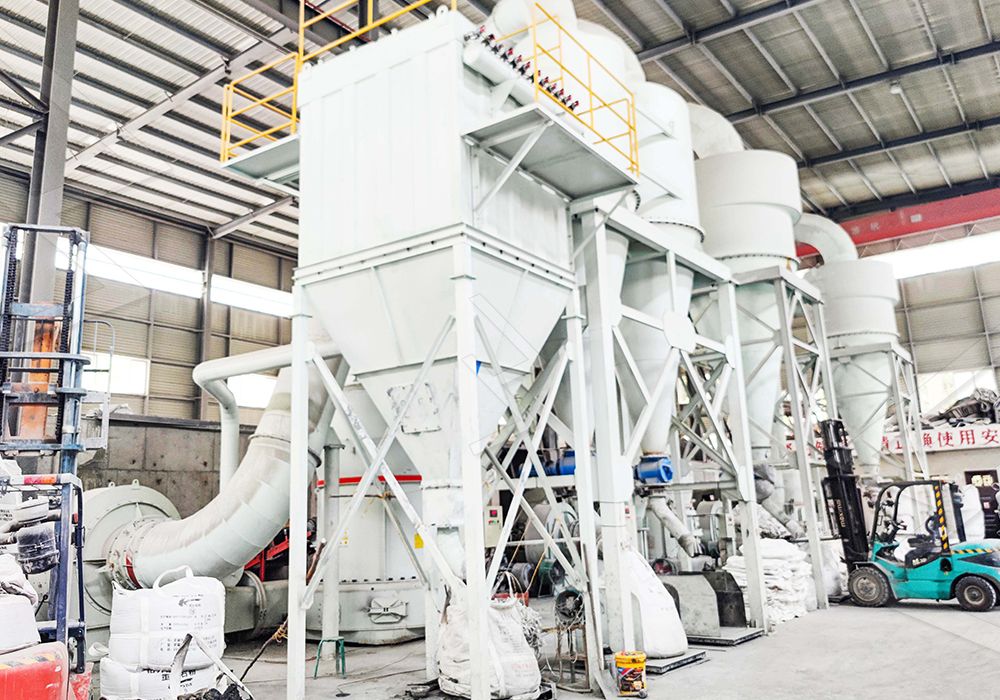
Milling, or grinding, is where the real liberation of mineral particles occurs. This energy-intensive stage receives crushed ore and pulverizes it into a fine powder, allowing individual mineral grains to be separated from the gangue. The choice of mill is critical and depends on the ore’s hardness, abrasiveness, and the desired final fineness. Traditional options include ball mills and rod mills, but modern operations increasingly turn to more efficient vertical roller mills and advanced ultrafine grinding solutions to achieve higher yields with significantly lower energy consumption.
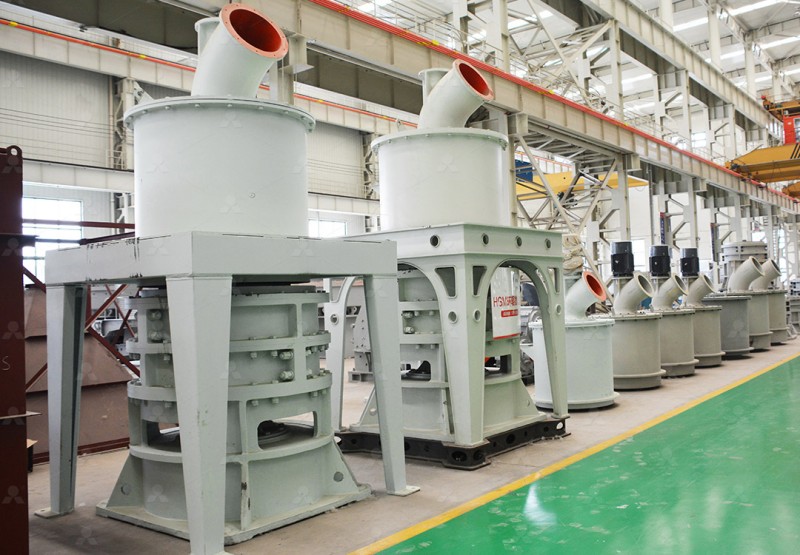
For operations requiring ultra-fine powders to maximize mineral recovery, advanced grinding technology is non-negotiable. A standout solution in this category is our MW Ultrafine Grinding Mill. Engineered for customers who need to produce ultra-fine powder between 325-2500 meshes, this mill is a marvel of efficiency. It boasts a capacity of 0.5-25 tph and can handle feed sizes up to 20mm. Its innovative design eliminates rolling bearings and screws in the grinding chamber, virtually eradicating concerns about mechanical failure from these components. Furthermore, it is equipped with an efficient pulse dust collector and muffler, ensuring that the entire production process meets stringent environmental standards by minimizing dust and noise pollution. With a production capacity that is 40% higher than jet mills and energy consumption that is 30% lower, the MW Series represents a leap forward in grinding technology for materials like limestone, calcite, dolomite, and talc.
3. Screening & Classification: Sizing for Success
Screening is the process of separating particles by size using a meshed surface. It is used throughout the processing circuit to ensure that only correctly sized material moves to the next stage. Classification, often performed using hydrocyclones or air classifiers in closed circuit with a mill, separates particles based on size and density in a liquid or air environment. This ensures that only fully liberated, fine particles proceed to concentration (e.g., flotation), while coarser particles are recirculated back to the mill for further grinding. Precise classification is key to preventing over-grinding, saving energy, and improving the grade of the final concentrate.
Key Considerations for Equipment Selection
Choosing the right equipment is a complex decision based on several factors:
- Ore Characteristics: Hardness (e.g., Bond Work Index), abrasiveness, moisture content, and clay presence.
- Capacity Requirements: Desired tons per hour (tph) for the entire plant.
- Product Fineness: The target particle size (often measured in microns or mesh) for optimal mineral recovery.
- Total Cost of Ownership: Evaluating not just the initial capital investment but also energy consumption, maintenance downtime, and wear part replacement costs.
- Environmental footprint: Modern equipment should prioritize dust suppression, noise reduction, and water recycling.
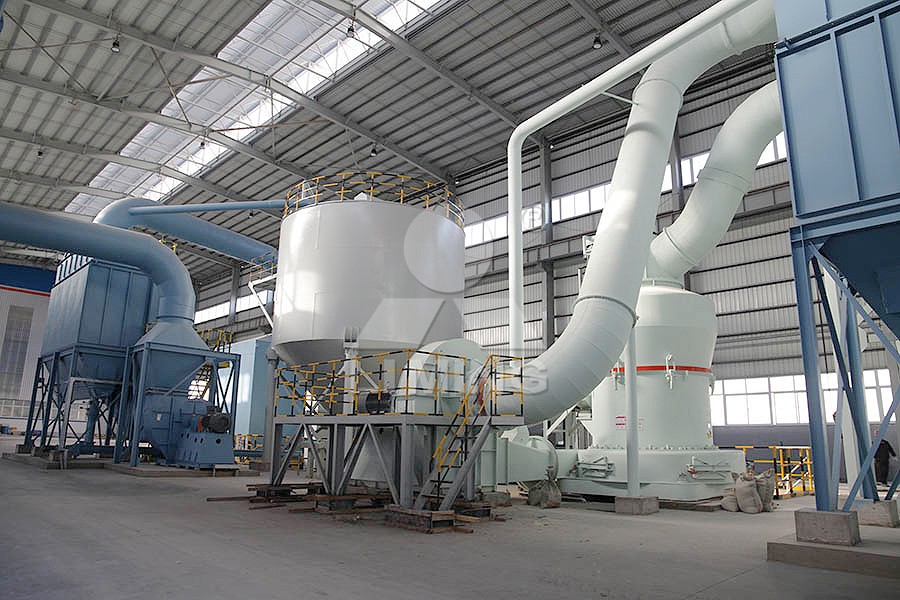
Another robust option for fine and ultra-fine grinding applications is the LUM Ultrafine Vertical Grinding Mill. This mill integrates grinding, grading, and transporting into a single, highly efficient unit. With an input size of 0-10mm and a capacity range of 5-18 tph, it is ideal for producing superfine dry powders of non-metallic ores. Its defining feature is the use of advanced grinding roller technology and German powder separating technology, which allows for precise control over product fineness. The mill’s reversible structure is a maintenance engineer’s dream, allowing grinding rollers to be easily moved out of the body for inspection and part replacement, drastically reducing shutdown time and associated losses. This design, combined with its multi-head powder separating technology, makes it a more energy-saving and reliable choice for operations focused on high-quality product output.
Conclusion: Integrating for Peak Performance
Ultimately, the efficiency of an ore processing plant is not just about the individual performance of a crusher, mill, or screen. It’s about how well these units are integrated into a seamless, automated circuit. Modern control systems can optimize the entire process in real-time, adjusting feed rates, crusher settings, and mill loads to respond to changing ore conditions and maximize throughput. Investing in reliable, high-performance equipment from trusted manufacturers is the foundation upon which a profitable, sustainable, and efficient mineral processing operation is built. By understanding the role and requirements of each stage, you can make informed decisions that drive your operation’s success.