
Complete Set of Equipment for Quartzite Grinding Production Line
We provide a wide range of mills — including Raymond mill, trapezoidal mill, vertical mill, ultrafine mill, and ball mill, obtained ISO9001 international quality certification, EU CE certification, and Customs Union CU-TR certification. Suitable for processing minerals such as limestone, phosphate, quicklime, kaolin, talc, barite, bentonite, calcium carbonate, dolomite, coal, gypsum, clay, carbon black, slag, cement raw materials, cement clinker, and more.
The discharge range of these mills can be adjusted to meet specific processing needs, typically from 80-400 mesh, 600-3250 mesh, and can achieve the finest particle size of up to 6000 mesh(D50).
If you are looking for a reliable grinding solution to turn stone or minerals into fine powder, please feel free to contact our online customer service.
Complete Set of Equipment for Quartzite Grinding Production Line
Establishing an efficient quartzite grinding production line requires careful consideration of material characteristics, production targets, and operational efficiency. Quartzite, known for its high silica content and abrasive nature, demands robust grinding solutions that can deliver consistent particle size distribution while maintaining operational economy.
The selection of appropriate grinding equipment forms the cornerstone of any successful quartzite processing operation. Different mill types offer varying advantages in terms of throughput, energy efficiency, and final product characteristics. Understanding these differences is crucial for optimizing production costs and product quality.
Key Considerations in Equipment Selection
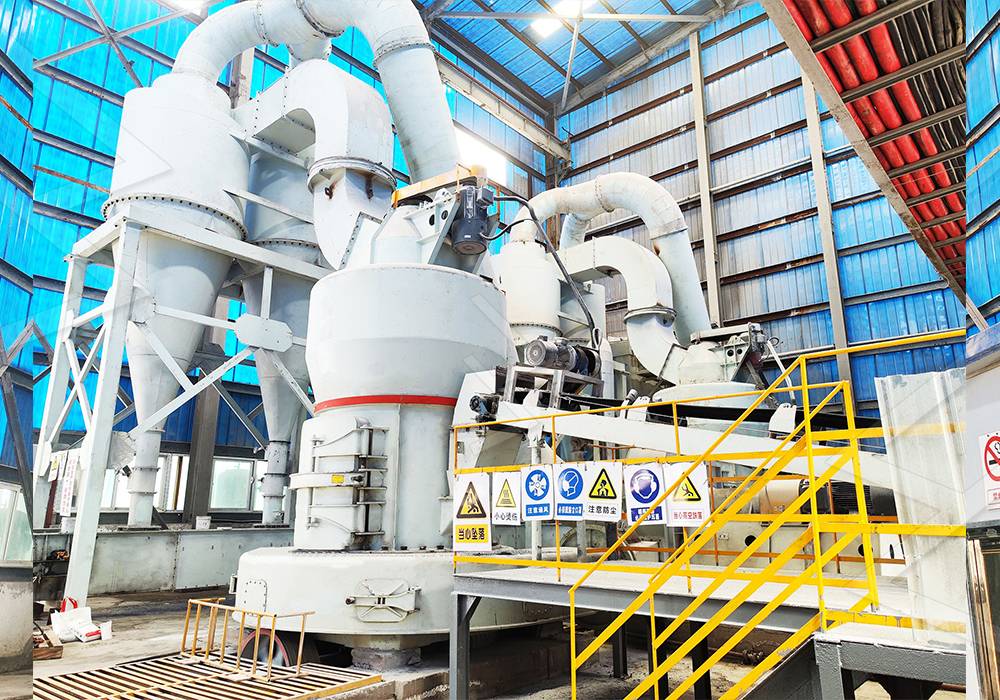
When designing a quartzite grinding production line, several factors demand attention. The hardness of quartzite typically ranges between 7 and 8 on the Mohs scale, necessitating equipment with superior wear resistance. The desired final product fineness determines the grinding approach, while production capacity requirements influence equipment sizing and configuration.
Environmental considerations have become increasingly important in modern grinding operations. Dust control, noise reduction, and energy efficiency are no longer optional features but essential requirements for sustainable operations. Modern grinding systems must balance production efficiency with environmental responsibility.
Recommended Equipment Solutions
For operations requiring ultra-fine quartzite powder, the MW Ultrafine Grinding Mill presents an exceptional solution. This advanced mill handles input sizes up to 20 mm with production capacities ranging from 0.5 to 25 tph. Its innovative design features higher yielding capacity with lower energy consumption compared to traditional grinding systems.
The MW mill’s cage-type powder selector, incorporating German technology, enables precise fineness adjustment between 325-2500 meshes. The absence of rolling bearings and screws in the grinding chamber eliminates common failure points, while the integrated pulse dust collector ensures environmentally friendly operation. For operations requiring different throughput characteristics, the LUM Ultrafine Vertical Grinding Mill offers complementary capabilities with input sizes up to 10 mm and capacities of 5-18 tph.
System Integration and Optimization
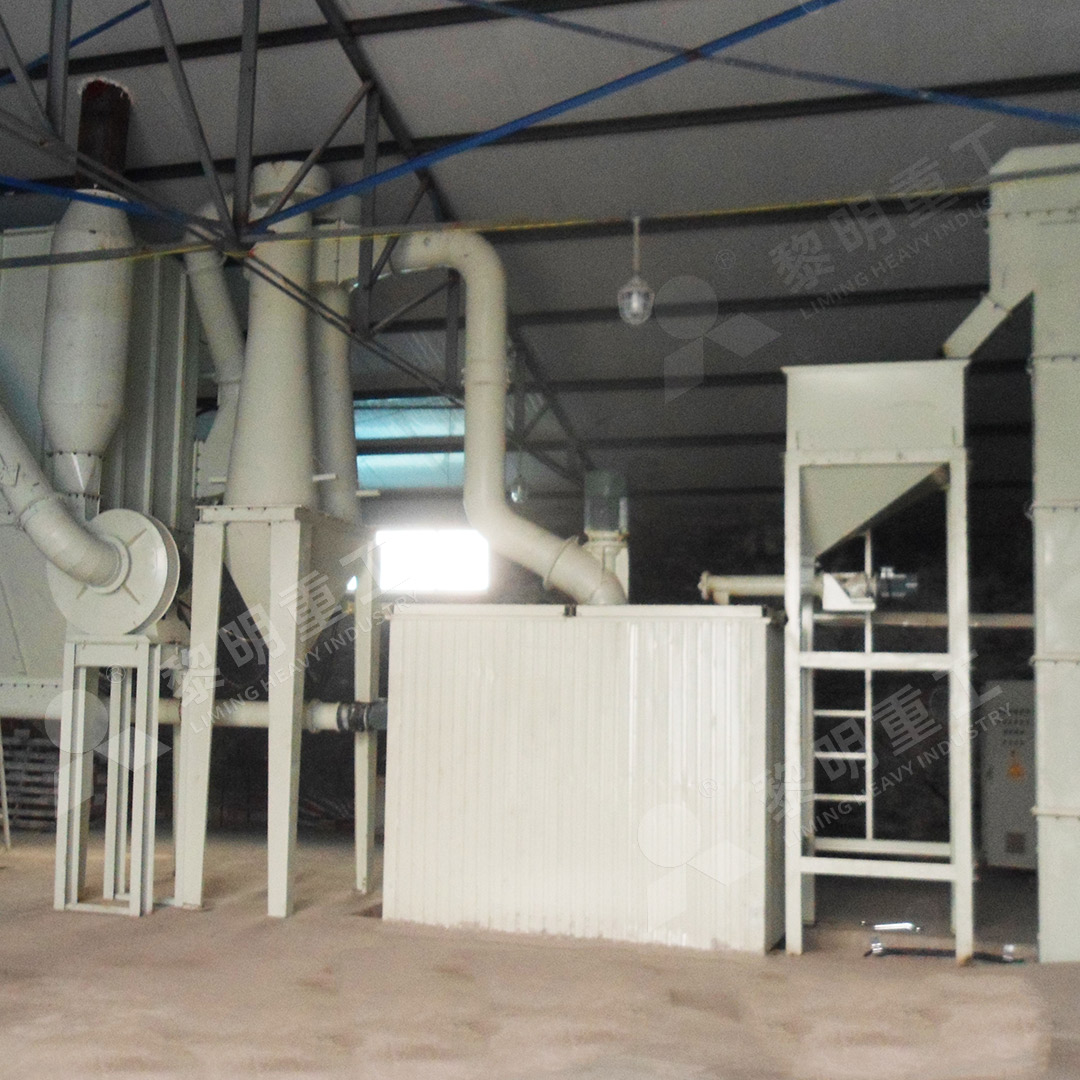
A complete quartzite grinding production line extends beyond the primary grinding mill. Auxiliary equipment including crushers, feeders, elevators, and dust collection systems must be properly sized and integrated. The material flow should be optimized to minimize energy consumption and maximize system reliability.
Modern control systems allow for automated operation and real-time monitoring of key parameters. Digital interfaces provide operators with comprehensive system visibility, enabling quick response to changing conditions and maintaining consistent product quality.
Operational Efficiency and Maintenance
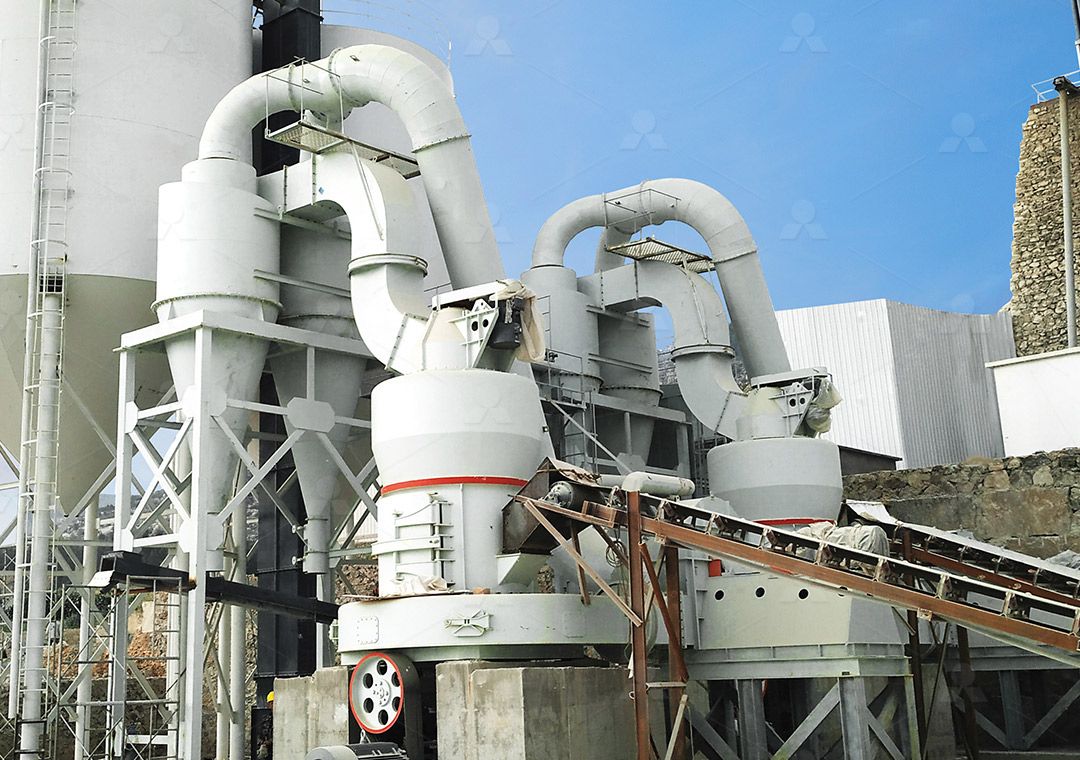
The long-term success of any grinding operation depends on sustainable maintenance practices and operational efficiency. Equipment selection should consider not only initial investment but also ongoing operational costs, including energy consumption, wear part replacement, and maintenance requirements.
Modern grinding mills incorporate features that simplify maintenance and reduce downtime. External lubrication systems, reversible structures, and accessible wear parts contribute to higher operational availability and lower lifetime costs.
Frequently Asked Questions
What is the typical energy consumption for a quartzite grinding production line?
Energy consumption varies based on product fineness and mill type. The MW Ultrafine Grinding Mill typically consumes 30-40% less energy than traditional grinding systems while achieving higher production rates.
How does quartzite hardness affect equipment selection?
Quartzite’s high abrasiveness requires mills with superior wear resistance. The MW mill’s special alloy grinding components are specifically designed to withstand prolonged exposure to abrasive materials.
What environmental considerations are addressed in modern grinding systems?
Contemporary systems incorporate comprehensive dust collection, noise reduction features, and energy-efficient designs. The MW mill’s pulse dust collector and muffler system ensure compliance with environmental standards.
Can the same equipment process different mineral materials?
Yes, the MW Ultrafine Grinding Mill handles various materials including limestone, calcite, dolomite, and other non-metallic minerals with similar hardness characteristics.
What maintenance intervals are typical for quartzite grinding equipment?
Maintenance requirements depend on operating hours and material characteristics. The MW mill’s design minimizes maintenance needs, with external lubrication systems allowing continuous 24-hour operation.