
Complete Set of Equipment for Diatomite Grinding Production Line
We provide a wide range of mills — including Raymond mill, trapezoidal mill, vertical mill, ultrafine mill, and ball mill, obtained ISO9001 international quality certification, EU CE certification, and Customs Union CU-TR certification. Suitable for processing minerals such as limestone, phosphate, quicklime, kaolin, talc, barite, bentonite, calcium carbonate, dolomite, coal, gypsum, clay, carbon black, slag, cement raw materials, cement clinker, and more.
The discharge range of these mills can be adjusted to meet specific processing needs, typically from 80-400 mesh, 600-3250 mesh, and can achieve the finest particle size of up to 6000 mesh(D50).
If you are looking for a reliable grinding solution to turn stone or minerals into fine powder, please feel free to contact our online customer service.
Complete Set of Equipment for Diatomite Grinding Production Line
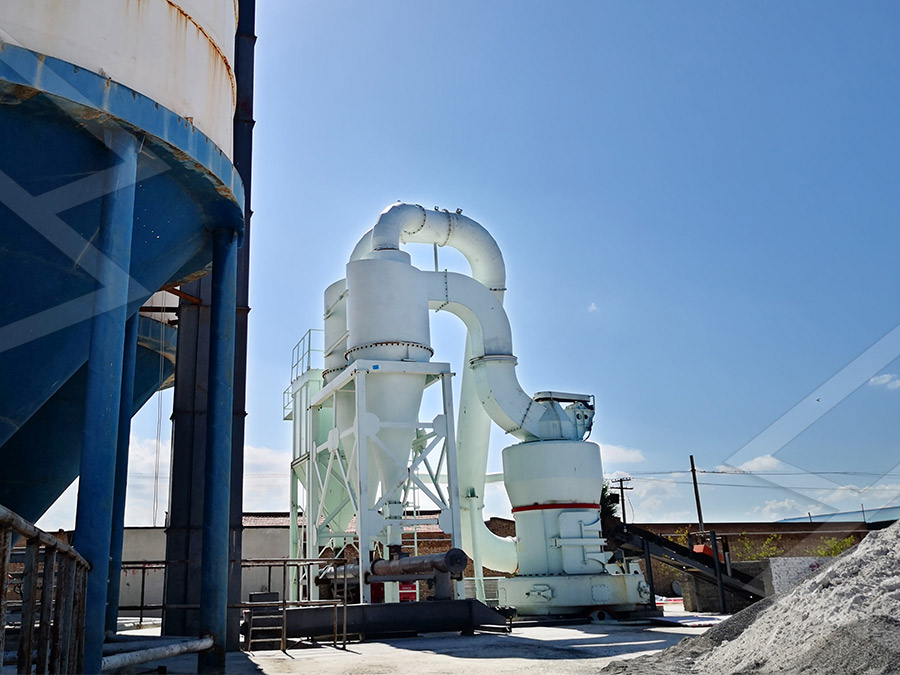
Diatomite, also known as diatomaceous earth, presents unique challenges in grinding operations due to its delicate skeletal structure and diverse industrial applications. Processing this material requires specialized equipment that can preserve its natural properties while achieving the precise fineness required for various end-uses. A complete diatomite grinding production line must integrate multiple components working in harmony to deliver optimal results.
Understanding Diatomite Processing Requirements
The processing of diatomaceous earth demands careful consideration of its physical characteristics. This sedimentary rock consists of fossilized diatoms with intricate porous structures that must be preserved during grinding. The production line must handle material ranging from raw crude ore to finished products with fineness between 150 to 2500 mesh, depending on application requirements in filtration, fillers, absorbents, or specialty products.
Proper system design begins with comprehensive analysis of the raw material characteristics, including moisture content, impurity levels, and hardness variations. The complete production line typically includes crushing equipment, drying systems, grinding mills, classification units, dust collection systems, and packaging machinery. Each component must be selected based on the specific properties of the diatomite deposit being processed.
Key Equipment Selection for Optimal Performance
When designing a diatomite grinding production line, several critical factors influence equipment selection. The abrasive nature of diatomite requires wear-resistant materials in grinding components, while the need for precise particle size distribution demands advanced classification technology. Energy efficiency has become increasingly important, with modern systems incorporating intelligent controls to optimize power consumption.
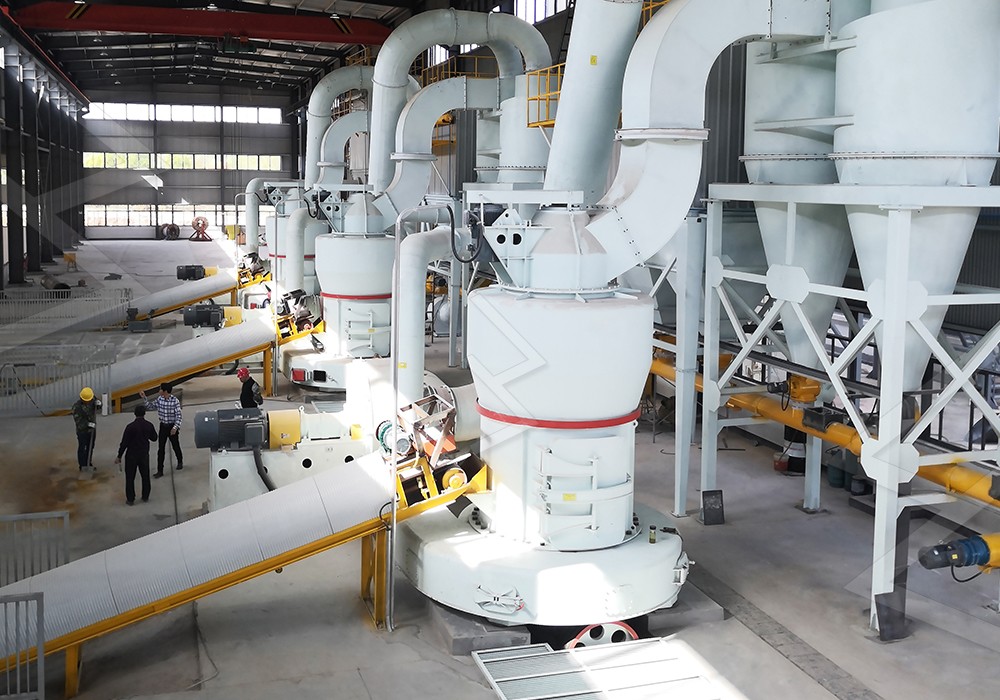
For operations requiring ultra-fine powders with precise particle distribution, the MW Ultrafine Grinding Mill represents an excellent solution. This advanced mill handles input sizes up to 20 mm with capacities ranging from 0.5 to 25 tph, making it suitable for various production scales. Its innovative design features higher yielding capacity with lower energy consumption compared to traditional grinding systems. The mill’s ability to produce powders between 325-2500 meshes with screening rates achieving d97≤5μm in a single pass makes it particularly valuable for high-value diatomite applications.
The MW series incorporates several proprietary technologies that benefit diatomite processing. The absence of rolling bearings and screws in the grinding chamber eliminates concerns about bearing damage or loose fasteners causing operational disruptions. External lubrication allows for maintenance without shutdowns, supporting continuous 24-hour operation that maximizes production efficiency.
Integrated System Design Considerations
A successful diatomite grinding operation depends on more than just the grinding mill. The complete system must include proper material handling, pre-processing stages, and post-grinding classification. Raw diatomite often requires drying to reduce moisture content before grinding, as excessive moisture can lead to clogging and reduced efficiency in fine grinding operations.
Dust control represents another critical consideration in diatomite processing. The fine, lightweight particles generated during grinding require efficient collection systems to maintain a clean working environment and prevent product loss. Modern production lines incorporate pulse jet dust collectors that capture over 99.9% of particulate matter, returning valuable product to the system while meeting stringent environmental standards.
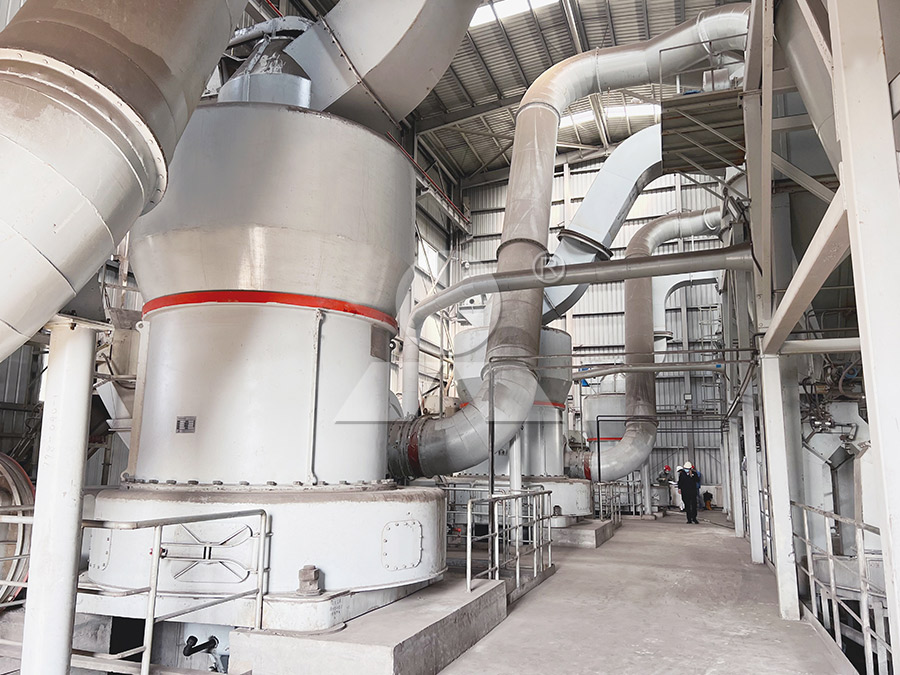
For operations requiring different fineness specifications or processing multiple mineral types, the LUM Ultrafine Vertical Grinding Mill offers exceptional versatility. With an input size of 0-10 mm and capacity of 5-18 tph, this mill integrates German powder separating technology with Taiwanese grinding roller advancements. Its unique roller shell and lining plate grinding curve generates material layers more efficiently, enabling high rates of finished products through single-pass milling. The reversible structure simplifies maintenance, while double position-limiting technology ensures operational stability even during unexpected vibration events.
Operational Efficiency and Maintenance Strategies
Maximizing uptime and minimizing operating costs require thoughtful maintenance planning and operational protocols. Modern grinding systems incorporate digital monitoring and control systems that track key performance indicators, including energy consumption, production rates, and equipment health. These systems enable predictive maintenance, addressing potential issues before they cause unscheduled downtime.
Regular inspection and replacement of wear parts represent essential maintenance activities in diatomite grinding operations. The abrasive nature of the material gradually wears grinding components, affecting product quality and system efficiency over time. Selecting equipment with readily available spare parts and straightforward replacement procedures significantly reduces maintenance duration and associated costs.
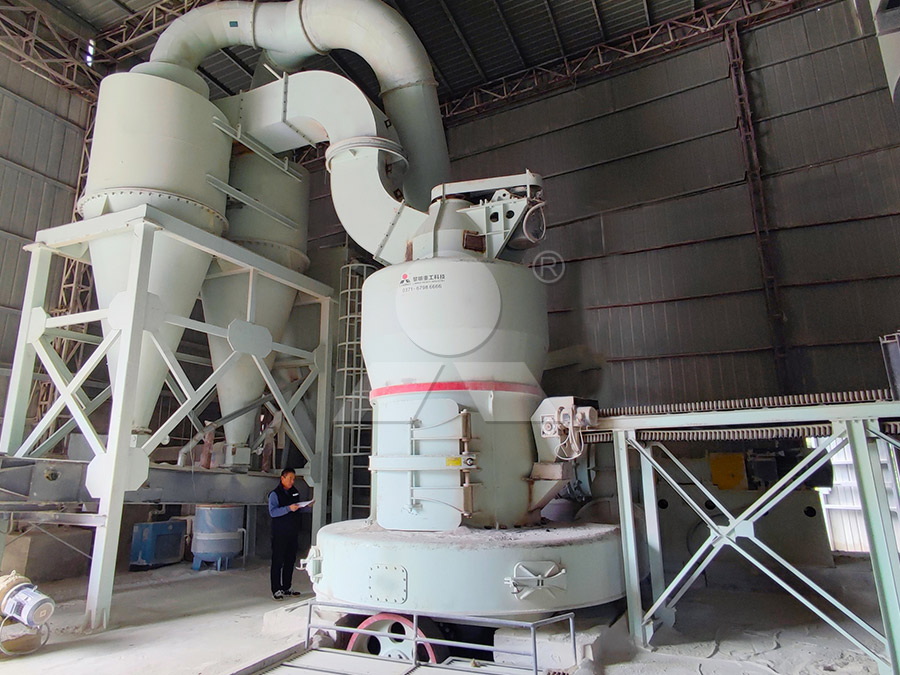
The comprehensive approach to diatomite processing extends beyond the grinding operation itself. Material storage, handling, and packaging systems must be designed to maintain product quality and prevent contamination. Many operations incorporate automated packaging lines that precisely weigh and seal finished products while minimizing exposure to ambient humidity that could affect material properties.
Environmental and Safety Considerations
Modern diatomite processing facilities must address both environmental compliance and workplace safety. Dust control remains paramount, with integrated collection systems capturing particulate at multiple points throughout the production line. Noise reduction technologies, including specialized mufflers and acoustic enclosures, protect workers while meeting regulatory requirements.
The MW Ultrafine Grinding Mill exemplifies this approach with its efficient pulse dust collector and integrated silencer system. The completely sealed grinding process operates under negative pressure, preventing dust escape while the noise reduction measures maintain workplace noise at acceptable levels. These features ensure operations comply with international environmental protection standards while providing safe working conditions.
Future Trends in Diatomite Processing
The evolution of diatomite grinding technology continues to focus on energy efficiency, automation, and product quality enhancement. Emerging technologies include AI-driven optimization systems that adjust operational parameters in real-time based on material characteristics and desired product specifications. These intelligent systems can significantly reduce energy consumption while maintaining consistent product quality.
Equipment manufacturers are increasingly developing modular systems that allow for easier expansion and adaptation to changing market demands. The digitalization of processing equipment enables remote monitoring and troubleshooting, reducing the need for on-site technical support while improving response times when maintenance is required.
Frequently Asked Questions
What is the typical energy consumption for a complete diatomite grinding production line?
Energy consumption varies based on production scale and target fineness, but modern systems like the MW Ultrafine Grinding Mill typically consume 30-40% less energy than traditional grinding mills while achieving 40% higher production capacity.
How does moisture content affect diatomite grinding efficiency?
Excessive moisture (generally above 5-8%) significantly reduces grinding efficiency and can lead to material buildup in the mill. Most operations include pre-drying stages to optimize moisture levels before grinding.
What particle size distribution can be achieved with modern diatomite grinding systems?
Advanced systems like the MW series can produce powders ranging from 325 to 2500 meshes, with precise control over particle distribution to meet specific application requirements.
How often do grinding components require replacement in diatomite operations?
Wear part lifespan depends on material abrasiveness and operating conditions, but typically ranges from 6-24 months. The MW mill’s design without rolling bearings in the grinding chamber extends component life and simplifies replacement.
Can the same production line process different grades of diatomite?
Yes, modern systems with adjustable parameters can handle various diatomite grades. The LUM mill’s PLC control system allows quick adjustment of grinding pressure and separator speed for different material characteristics.
What environmental controls are necessary for diatomite processing?
Comprehensive dust collection systems are essential, with pulse jet filters typically capturing >99.9% of particulate. Modern mills include integrated dust collectors and noise reduction features to meet environmental standards.
How does the MW Ultrafine Grinding Mill handle heat-sensitive diatomite applications?
The mill’s efficient grinding design generates minimal heat, and optional cooling systems can be incorporated for temperature-sensitive applications where diatomite properties must be preserved.