
Complete Set of Equipment for Cement Clinker Grinding Production Line
We provide a wide range of mills — including Raymond mill, trapezoidal mill, vertical mill, ultrafine mill, and ball mill, obtained ISO9001 international quality certification, EU CE certification, and Customs Union CU-TR certification. Suitable for processing minerals such as limestone, phosphate, quicklime, kaolin, talc, barite, bentonite, calcium carbonate, dolomite, coal, gypsum, clay, carbon black, slag, cement raw materials, cement clinker, and more.
The discharge range of these mills can be adjusted to meet specific processing needs, typically from 80-400 mesh, 600-3250 mesh, and can achieve the finest particle size of up to 6000 mesh(D50).
If you are looking for a reliable grinding solution to turn stone or minerals into fine powder, please feel free to contact our online customer service.
Complete Set of Equipment for Cement Clinker Grinding Production Line
In the world of cement production, the clinker grinding process stands as one of the most critical and energy-intensive stages. Achieving optimal particle size distribution while minimizing operational costs requires sophisticated equipment designed for precision, efficiency, and reliability. A complete cement clinker grinding production line represents an integrated system where each component works in harmony to transform clinker into the fine powder that forms the basis of cement products.
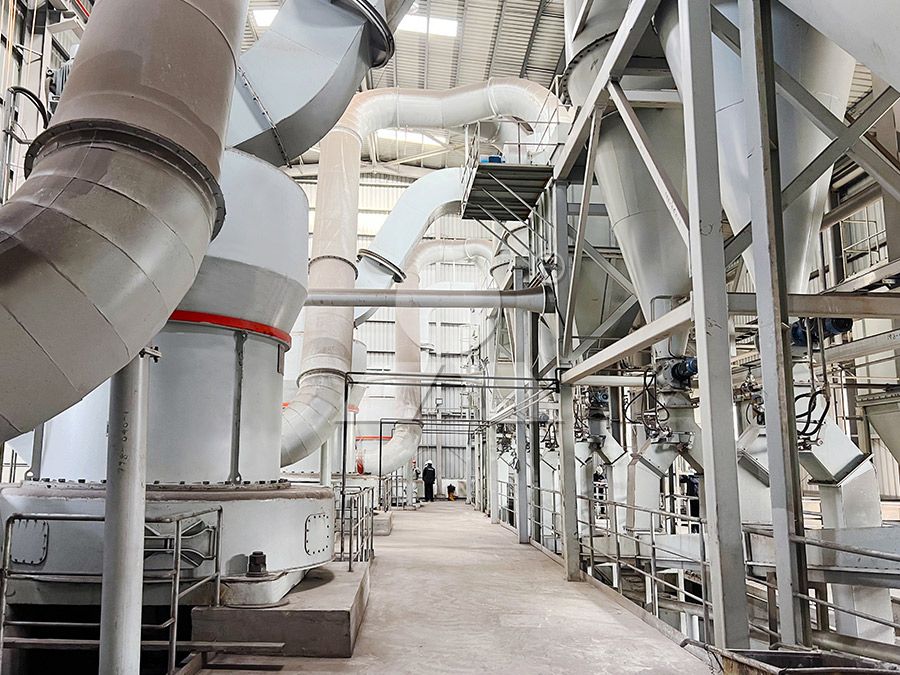
The journey begins with proper clinker preparation, where crushers reduce large clinker chunks to manageable sizes. From there, the material enters the heart of the operation—the grinding mill—where it undergoes the transformation from coarse particles to fine cement powder. Modern grinding systems have evolved significantly from traditional ball mills to more efficient vertical and specialized grinding technologies that offer substantial advantages in energy consumption, footprint, and operational control.
The Evolution of Grinding Technology
Historically, ball mills dominated cement grinding operations, but their high energy consumption and limited efficiency prompted the industry to seek alternatives. The development of vertical roller mills marked a significant advancement, offering 30-50% lower energy consumption compared to traditional ball mills. More recently, specialized grinding technologies have emerged that push the boundaries of efficiency even further.
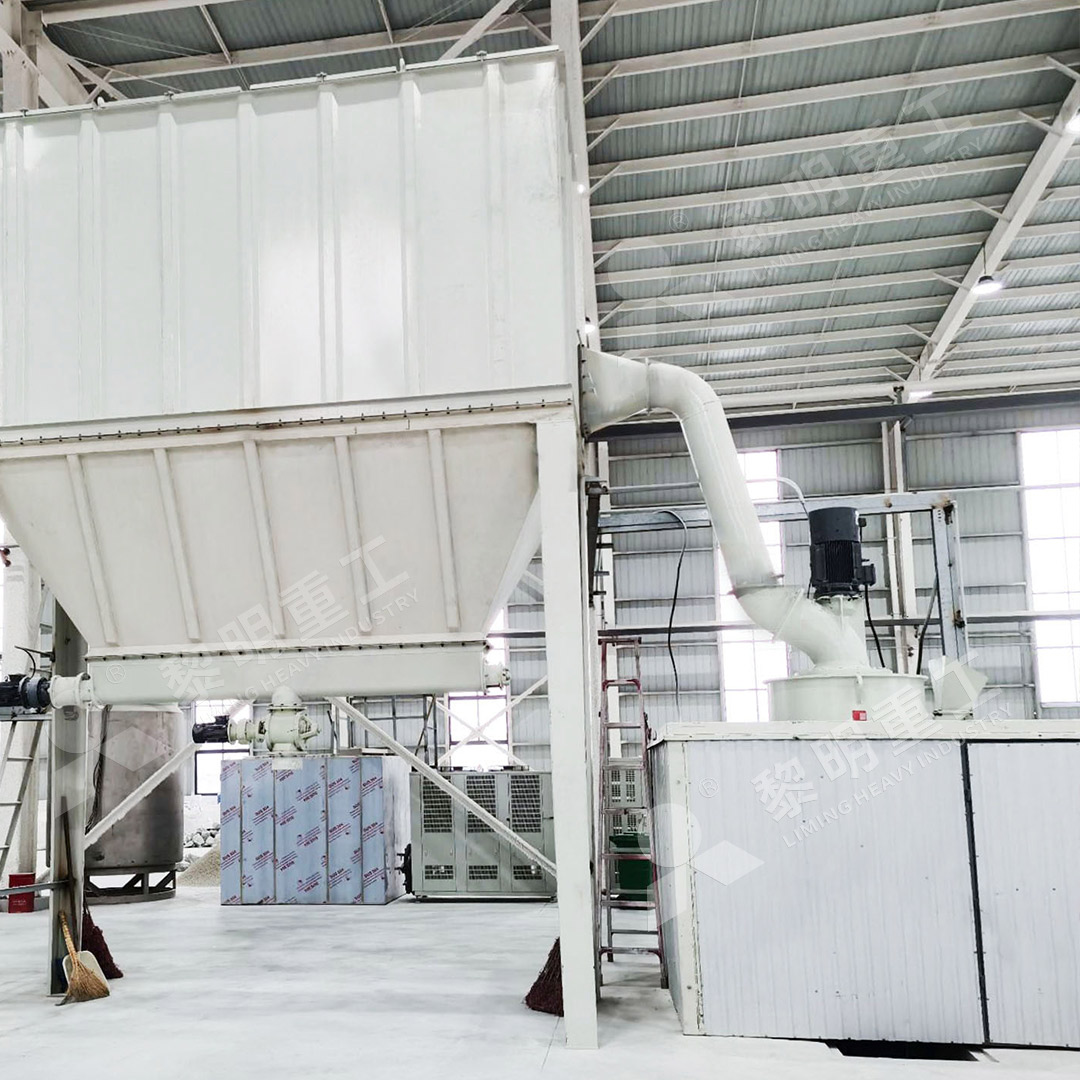
Among these advanced solutions, our MW Ultrafine Grinding Mill represents a breakthrough in grinding technology. Designed for customers requiring ultra-fine powder production, this machine operates with input sizes of 0-20 mm and capacities ranging from 0.5 to 25 tph. What sets this equipment apart is its innovative design that eliminates rolling bearings and screws in the grinding chamber, significantly reducing maintenance concerns and potential machine damage from loose components. The integrated efficient pulse dust collector and muffler system ensures minimal environmental impact during operation.
Key Components of a Complete Grinding Line
A comprehensive cement clinker grinding production line consists of several integrated components, each playing a vital role in the overall process:
- Crushing System: Preliminary size reduction of clinker to appropriate feed size
- Grinding Mill: The core component where actual particle size reduction occurs
- Classification System: Separation of properly ground material from coarse particles requiring regrinding
- Dust Collection: Environmental control systems to capture particulate matter
- Material Handling: Conveyors, elevators, and feeding systems that transport material between processes
- Automation and Control: Systems that monitor and optimize the entire production process
Each component must be carefully selected and integrated to ensure seamless operation and maximum efficiency. The grinding mill, in particular, demands careful consideration based on production requirements, energy efficiency targets, and product quality specifications.
Advanced Grinding Solutions for Modern Requirements
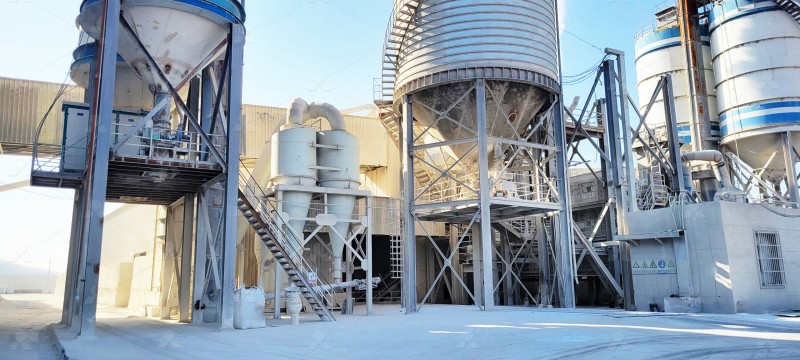
For operations requiring exceptional fineness control, our LUM Ultrafine Vertical Grinding Mill offers another sophisticated option. With an input size of 0-10 mm and capacity range of 5-18 tph, this mill integrates the latest grinding roller technology with advanced German powder separating technology. The LUM mill features double position-limiting technology that ensures operational stability by preventing destructive impacts between grinding components, even during machine vibration events.
The reversible structure of the LUM mill represents another engineering advancement, allowing easy maintenance access to grinding components. Through this design and the accompanying hydraulic adjustment system, operators can quickly move grinding rollers out of the body for inspection, replacement, or maintenance, significantly reducing downtime and associated production losses.
Optimizing Grinding Efficiency
Modern grinding systems achieve efficiency through multiple approaches. The MW Ultrafine Grinding Mill, for instance, incorporates newly designed grinding curves for the grinding roller and ring that enhance grinding efficiency by approximately 40% compared to jet grinding mills and stirred grinding mills. Under the same fineness and power conditions, its production capacity doubles that of ball grinding mills while consuming only 30% of the energy required by jet grinding mills.
The cage-type powder selector in the MW mill, adopting German technologies, enables precise powder separation with adjustable fineness between 325-2500 meshes. This flexibility allows producers to meet varying market demands without equipment modification. The multi-head cage-type powder selector can be configured according to specific requirements for yield, fineness, and sieving rate, achieving screening rates of d97≤5μm in a single pass.
Environmental Considerations in Modern Grinding
Contemporary cement production must address environmental concerns beyond mere efficiency metrics. Modern grinding systems incorporate comprehensive dust collection and noise reduction technologies to minimize their ecological footprint. The MW Ultrafine Grinding Mill exemplifies this approach with its efficient pulse dust collector that eliminates dust pollution throughout the entire milling system. Combined with silencers and noise elimination rooms, these systems operate well within national environmental protection standards.
The external lubrication system represents another environmentally conscious design feature, allowing lubrication without shutdown and enabling continuous 24-hour operation. This not only improves productivity but also reduces the potential for lubricant contamination of the product or environment.

Digital Integration and Precision Manufacturing
The manufacturing precision of modern grinding equipment significantly impacts its performance and longevity. Both the MW and LUM mills benefit from digitalized processing involving tens of lines of numerical controlling machine tools. Operations including steel plate cutting, bending, planing, milling, and paint spraying are all numerically controlled, ensuring high precision, particularly for core components.
This manufacturing approach, combined with comprehensive technical support and original spare parts availability, ensures worry-free operation throughout the equipment’s lifecycle. The integration of PLC control systems in advanced mills like the LUM enables precise control over grinding pressure, revolution speed, and other critical parameters, optimizing performance for specific material characteristics and production requirements.
Conclusion
The complete cement clinker grinding production line has evolved into a sophisticated system where efficiency, environmental responsibility, and product quality converge. Advanced grinding technologies like the MW Ultrafine Grinding Mill and LUM Ultrafine Vertical Grinding Mill represent the current pinnacle of this evolution, offering unprecedented control over particle size distribution while significantly reducing energy consumption and environmental impact. As cement producers face increasing pressure to optimize costs and minimize their ecological footprint, these advanced grinding solutions provide the technological foundation for sustainable, profitable operations in the modern cement industry.
Frequently Asked Questions
What is the typical energy savings compared to traditional ball mills?
Modern grinding systems like the MW Ultrafine Grinding Mill can reduce energy consumption by 30-50% compared to traditional ball mills, while simultaneously increasing production capacity by up to 40% under the same power conditions.
How does the maintenance requirement compare between different mill types?
Advanced designs like the MW Mill eliminate rolling bearings and screws in the grinding chamber, significantly reducing maintenance needs. The LUM Mill’s reversible structure allows easy access to grinding components, cutting maintenance time and associated downtime.
What fineness range can be achieved with modern grinding systems?
Equipment like the MW Ultrafine Grinding Mill offers adjustable fineness between 325-2500 meshes, with screening rates achieving d97≤5μm in a single pass, providing exceptional control over product specifications.
How do modern grinding systems address environmental concerns?
Contemporary mills incorporate efficient pulse dust collectors, silencers, and noise elimination rooms to minimize dust pollution and noise emissions, typically operating well within national environmental protection standards.
What materials besides cement clinker can these grinding systems process?
These advanced mills can handle various materials including limestone, calcite, dolomite, petroleum coal, gypsum, barite, marble, talc, and other non-metallic minerals with similar efficiency.
How does the digital control system improve grinding operations?
PLC control systems enable precise adjustment of grinding pressure, revolution speed, and other parameters, allowing optimization for specific material characteristics and production requirements while facilitating remote monitoring and operation.