
Complete Molybdenum Ore Grinding Plant Machinery and Equipment
We provide a wide range of mills — including Raymond mill, trapezoidal mill, vertical mill, ultrafine mill, and ball mill, obtained ISO9001 international quality certification, EU CE certification, and Customs Union CU-TR certification. Suitable for processing minerals such as limestone, phosphate, quicklime, kaolin, talc, barite, bentonite, calcium carbonate, dolomite, coal, gypsum, clay, carbon black, slag, cement raw materials, cement clinker, and more.
The discharge range of these mills can be adjusted to meet specific processing needs, typically from 80-400 mesh, 600-3250 mesh, and can achieve the finest particle size of up to 6000 mesh(D50).
If you are looking for a reliable grinding solution to turn stone or minerals into fine powder, please feel free to contact our online customer service.
Complete Molybdenum Ore Grinding Plant Machinery and Equipment
The efficient processing of molybdenum ore, from raw rock to market-ready concentrate, hinges on a meticulously designed grinding circuit. Molybdenum’s unique properties—its hardness, abrasiveness, and the need for ultra-fine liberation for optimal flotation recovery—demand specialized grinding solutions. A complete plant is more than just a mill; it’s an integrated system where crushing, grinding, classification, and material handling work in concert to maximize yield, minimize energy consumption, and ensure operational reliability. This article outlines the critical considerations and machinery for a state-of-the-art molybdenum ore grinding facility.
The Grinding Circuit: Heart of the Beneficiation Process
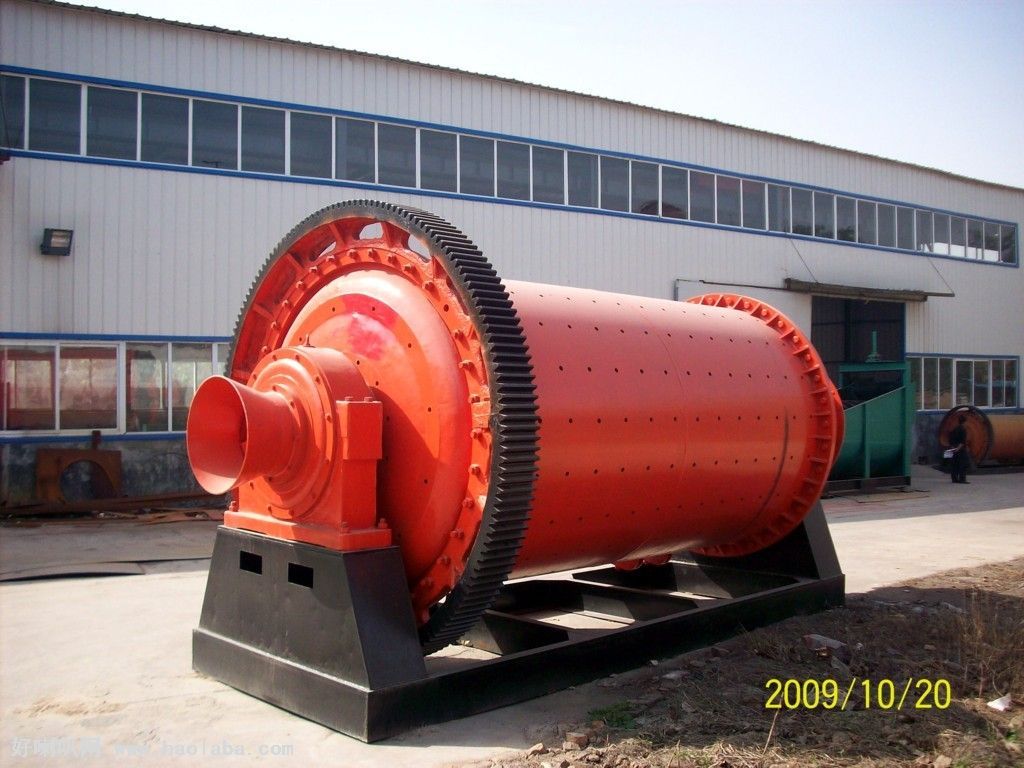
Following primary and secondary crushing, the sub-20mm ore enters the grinding phase. The objective is to reduce the particle size to the point where molybdenite minerals are sufficiently liberated from the gangue, typically requiring a fineness ranging from 100 to 400 mesh or finer. Traditional ball mills have been workhorses, but modern plants increasingly favor vertical roller mills and advanced trapezium mills for their superior energy efficiency and drying capabilities when dealing with slightly moist feed.
The choice of classifier—whether a hydrocyclone cluster for wet grinding or a dynamic air classifier for dry systems—is equally crucial. It ensures that only properly ground material proceeds to flotation, while coarse particles are efficiently recirculated, preventing over-grinding and conserving energy. The entire system must be designed for robustness, with wear-resistant liners and grinding elements to withstand the abrasive nature of the ore.
Embracing Efficiency: The Shift to Advanced Grinding Technologies
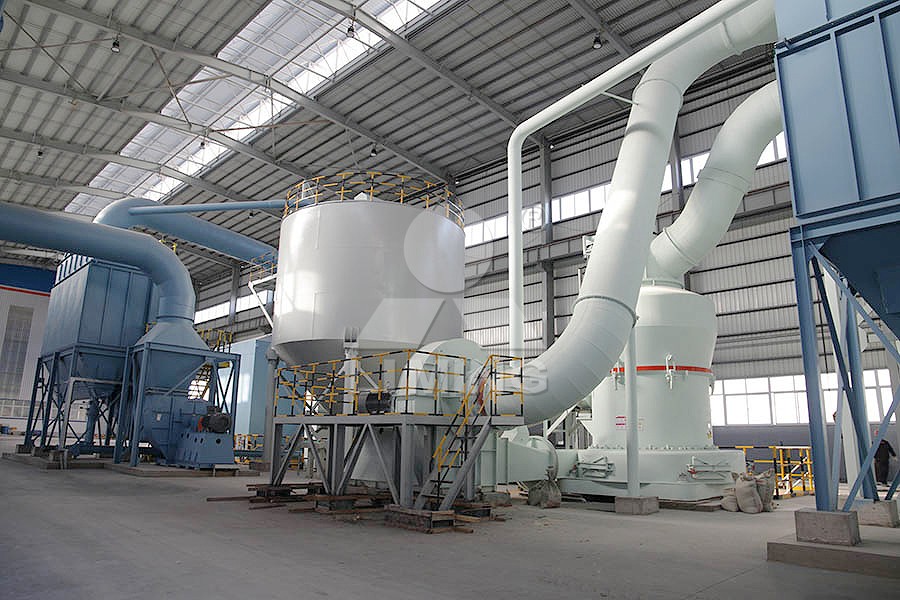
The high energy cost of grinding, which can account for over 50% of a plant’s total power draw, drives innovation. Modern mills integrate drying, grinding, and classification into single, compact units. Features like external grinding roller recycling systems allow for maintenance without full shutdowns, while advanced PLC controls optimize pressure, speed, and feed rates in real-time. Furthermore, environmental stewardship is non-negotiable; contemporary plants employ pulse-jet baghouse dust collectors and sound-dampening technologies to achieve near-zero dust emissions and low noise levels, operating well within international standards.
Recommended Solution: The MW Ultrafine Grinding Mill for Final Liberation
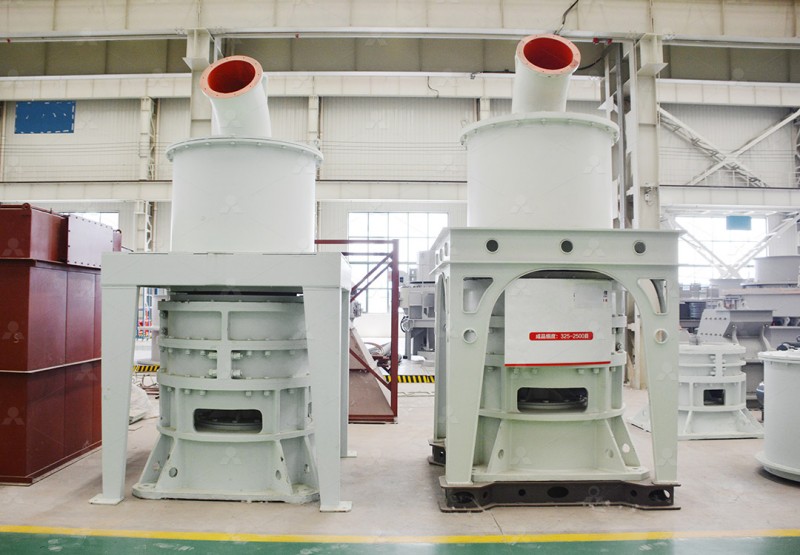
For operations targeting superior recovery rates, the final stage of grinding often requires producing an ultra-fine powder. This is where our MW Ultrafine Grinding Mill excels. Specifically engineered for customers needing to produce ultra-fine powders between 325 and 2500 meshes, it is an ideal choice for fine-grinding molybdenum concentrate or processing by-products.
The MW series stands out with its higher yielding and lower energy consumption, offering capacity 40% higher than jet mills and double that of ball mills for the same fineness, while using only 30% of the energy of a jet mill. Its German-technology, cage-type powder selector ensures precise separation with a screening rate achieving d97≤5μm in a single pass. A key maintenance advantage is the absence of rolling bearings and screws in the grinding chamber, eliminating common failure points and enabling external lubrication without shutdown for continuous 24/7 operation. Coupled with its efficient pulse dust collector, the MW Mill delivers an eco-friendly production process critical for modern mining operations.
System Integration and Support
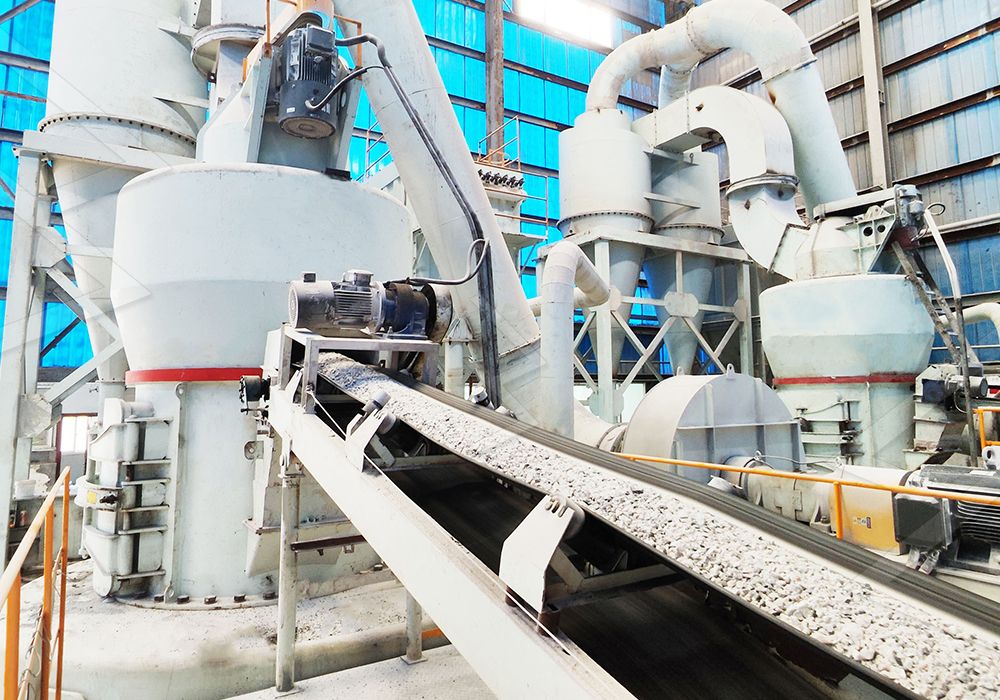
A successful plant relies on seamless integration of all components—from feeders and conveyors to dust collection and silos. Partnering with a supplier capable of providing not just equipment but complete system design and lifetime support is vital. This includes a guaranteed supply of original spare parts, expert technical services, and process optimization support to ensure worry-free, profitable operation over the entire lifecycle of the grinding plant.
Frequently Asked Questions (FAQ)
1. What is the typical feed size for a molybdenum ore grinding circuit?
After secondary crushing, the optimal feed size for the grinding mill is usually below 20mm. Some advanced vertical mills, like the LUM series, can efficiently handle feed sizes as small as 0-10mm, promoting more stable grinding bed formation.
2. Why is energy consumption such a critical factor in grinding?
Grinding is the most energy-intensive stage in mineral processing. Selecting high-efficiency mills like vertical roller mills or advanced trapezium mills can reduce energy consumption by 30% to 50% compared to traditional ball mills, dramatically impacting operational costs and carbon footprint.
3. How is product fineness controlled in a dry grinding system?
Fineness is precisely controlled by an integrated dynamic air classifier or powder separator. By adjusting the rotor speed, the cut point can be altered to produce a consistent, desired particle size distribution, ensuring optimal feed for the downstream flotation process.
4. What are the main advantages of the MW Ultrafine Grinding Mill for molybdenum processing?
The MW Mill offers unparalleled efficiency for ultra-fine grinding needs: significantly higher yield at lower energy use, adjustable fineness between 325-2500 meshes, a robust design with no internal bearings in the grinding zone to prevent mechanical failures, and a fully enclosed, eco-friendly operation with integrated dust collection.
5. How do modern grinding plants address environmental concerns?
They employ closed-circuit systems with high-efficiency pulse-jet dust collectors to capture over 99.9% of particulates. Mufflers and insulated mill rooms mitigate noise pollution. Furthermore, efficient mills directly reduce the plant’s overall energy consumption, lowering its indirect environmental impact.
6. What maintenance features should I look for in a grinding mill?
Look for designs that facilitate easy maintenance: externally accessible lubrication systems, hydraulic systems for easy roller turning and replacement (as in the LUM mill), use of durable wear-resistant alloys, and a modular design for quick replacement of vulnerable parts to minimize downtime.