Comparison of Fluorite Beneficiation Methods: Gravity, Flotation & Magnetic Separation
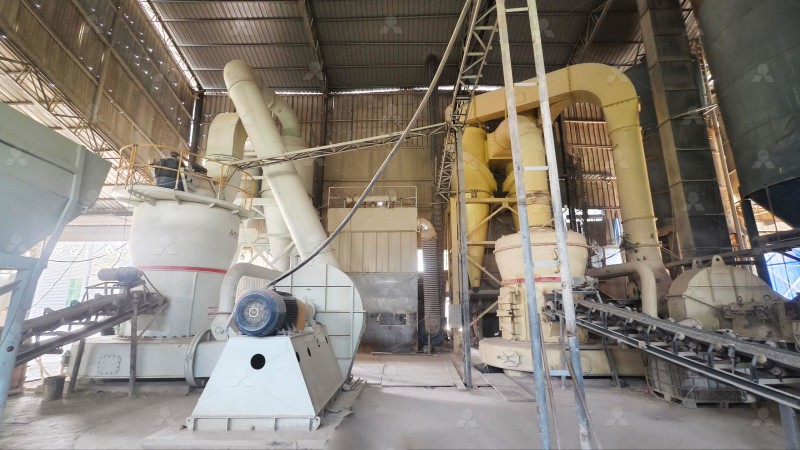
We provide a wide range of mills — including Raymond mill, trapezoidal mill, vertical mill, ultrafine mill, and ball mill, obtained ISO9001 international quality certification, EU CE certification, and Customs Union CU-TR certification. Suitable for processing minerals such as limestone, phosphate, quicklime, kaolin, talc, barite, bentonite, calcium carbonate, dolomite, coal, gypsum, clay, carbon black, slag, cement raw materials, cement clinker, and more.
The discharge range of these mills can be adjusted to meet specific processing needs, typically from 80-400 mesh, 600-3250 mesh, and can achieve the finest particle size of up to 6000 mesh(D50).
If you are looking for a reliable grinding solution to turn stone or minerals into fine powder, please feel free to contact our online customer service.
Comparison of Fluorite Beneficiation Methods: Gravity, Flotation & Magnetic Separation
Fluorite, a vital industrial mineral used in metallurgy, ceramics, and chemical industries, requires efficient beneficiation to achieve high purity. The choice of method depends on ore characteristics, desired product grade, and economic considerations. This article explores three primary techniques: gravity separation, flotation, and magnetic separation.
Gravity Separation
Gravity separation leverages differences in density between fluorite and gangue minerals. It’s effective for coarse-grained ores but less so for fine particles. Jigs, shaking tables, and spirals are commonly used. While cost-effective and environmentally friendly, its recovery rate and concentrate grade are often lower compared to other methods, especially for complex ores.
Flotation
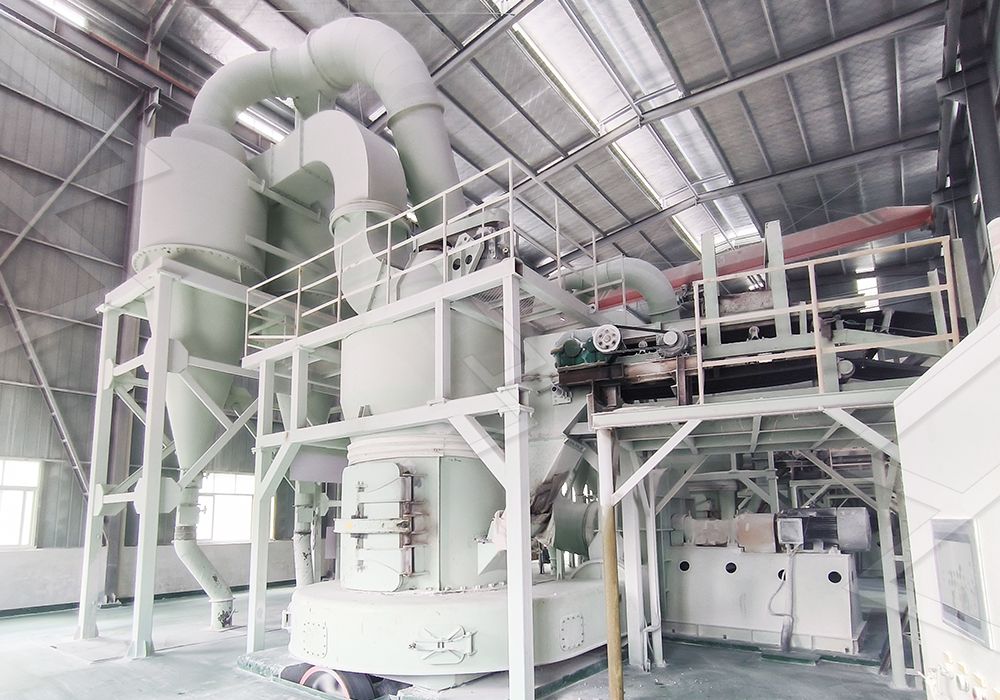
Flotation is the most widely used method for fluorite beneficiation, particularly for fine-grained and complex ores. It employs specific collectors and modifiers to separate fluorite from impurities like calcite and quartz. The process can produce high-grade concentrates (over 97% CaF₂). However, it involves chemicals and requires careful water management. The key to success lies in optimal grinding to liberate the minerals. For ultrafine grinding needs, our MW Ultrafine Grinding Mill is an excellent choice. With an input size of 0-20 mm and capacity ranging from 0.5 to 25 tph, it produces precisely the fine, liberated particles crucial for effective flotation. Its efficient pulse dust collector and muffler ensure an eco-friendly operation, aligning with modern environmental standards.
Magnetic Separation
Magnetic separation is primarily used to remove magnetic impurities, such as iron oxides, from fluorite ore. It’s often employed as a supplementary step after gravity or flotation to enhance the final product’s purity. High-intensity magnetic separators are typically required. This method is highly efficient for impurity removal but is not a standalone solution for fluorite beneficiation as fluorite itself is non-magnetic.
Conclusion
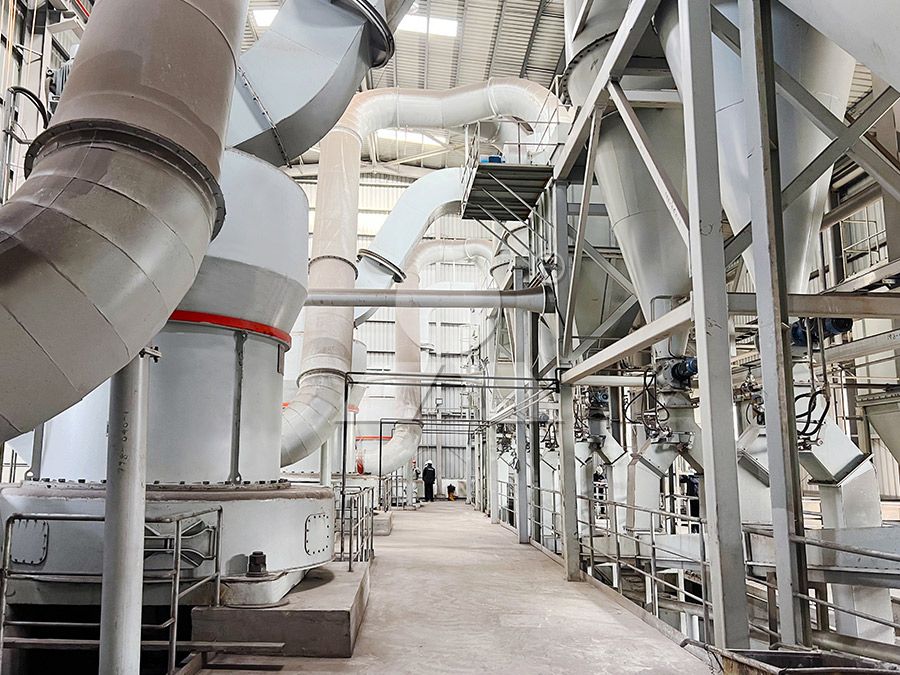
Selecting the right beneficiation method is crucial for economic fluorite processing. Gravity separation offers simplicity, flotation provides high grade and recovery, and magnetic separation effectively removes iron impurities. Often, a combination of these methods yields the best results. The efficiency of any process, especially flotation, is heavily dependent on achieving proper mineral liberation through grinding. For operations requiring ultra-fine powders, our LUM Ultrafine Vertical Grinding Mill (Input: 0-10mm, Capacity: 5-18 tph) integrates grinding, classifying, and transporting with advanced technology for higher yielding rates and better product quality, making it a superior choice in the ultrafine powder grinding industry.