
Compact Gypsum Grinders: Top Mill Types & Key Features for Small-Scale Ops
We provide a wide range of mills — including Raymond mill, trapezoidal mill, vertical mill, ultrafine mill, and ball mill, obtained ISO9001 international quality certification, EU CE certification, and Customs Union CU-TR certification. Suitable for processing minerals such as limestone, phosphate, quicklime, kaolin, talc, barite, bentonite, calcium carbonate, dolomite, coal, gypsum, clay, carbon black, slag, cement raw materials, cement clinker, and more.
The discharge range of these mills can be adjusted to meet specific processing needs, typically from 80-400 mesh, 600-3250 mesh, and can achieve the finest particle size of up to 6000 mesh(D50).
If you are looking for a reliable grinding solution to turn stone or minerals into fine powder, please feel free to contact our online customer service.
Compact Gypsum Grinders: Top Mill Types & Key Features for Small-Scale Ops
For small to medium-sized operations processing gypsum, choosing the right milling equipment is a critical decision that impacts efficiency, product quality, and your bottom line. You need a machine that fits your space, handles your desired capacity, and delivers a consistent, fine powder without breaking the bank on energy or maintenance. Let’s break down the most common and effective types of small gypsum milling machines and what to look for.
Popular Mill Types for Small-Scale Gypsum Grinding
Raymond Mill (Vertical Roller Mill)
A classic workhorse. Raymond mills are fantastic for small ops due to their vertical, space-saving design. They use spring-loaded rollers to grind material against a stationary ring. Great for producing powder between 80-325 mesh. They’re known for being reliable, relatively simple, and energy-efficient for their output class.
Ball Mill
The versatile veteran. If you’re doing both wet or dry grinding and need a wide particle size range, a small ball mill is a solid choice. It’s basically a rotating drum filled with grinding media (like steel balls) that crushes and tumbles the gypsum into a fine powder. Simple design, very durable, but can be less energy-efficient than newer vertical designs.
Hammer Mill
The impact crusher. Ideal for more coarse to medium-fine grinding or for a primary crushing step before finer milling. It uses swinging hammers on a rotor to pulverize the material against a screen. It’s compact, cost-effective, and simple, but can generate more heat and noise than other options.
Ultrafine Grinding Mill
For the high-end market. If your application requires super-fine gypsum powder (think 400 mesh and above!), this is your go-to. These mills use advanced mechanisms like high-pressure grinding rollers or centrifugal force to achieve incredible fineness with high precision and efficiency. They are the top choice for producing high-value additives for plastics, paints, or advanced construction materials.
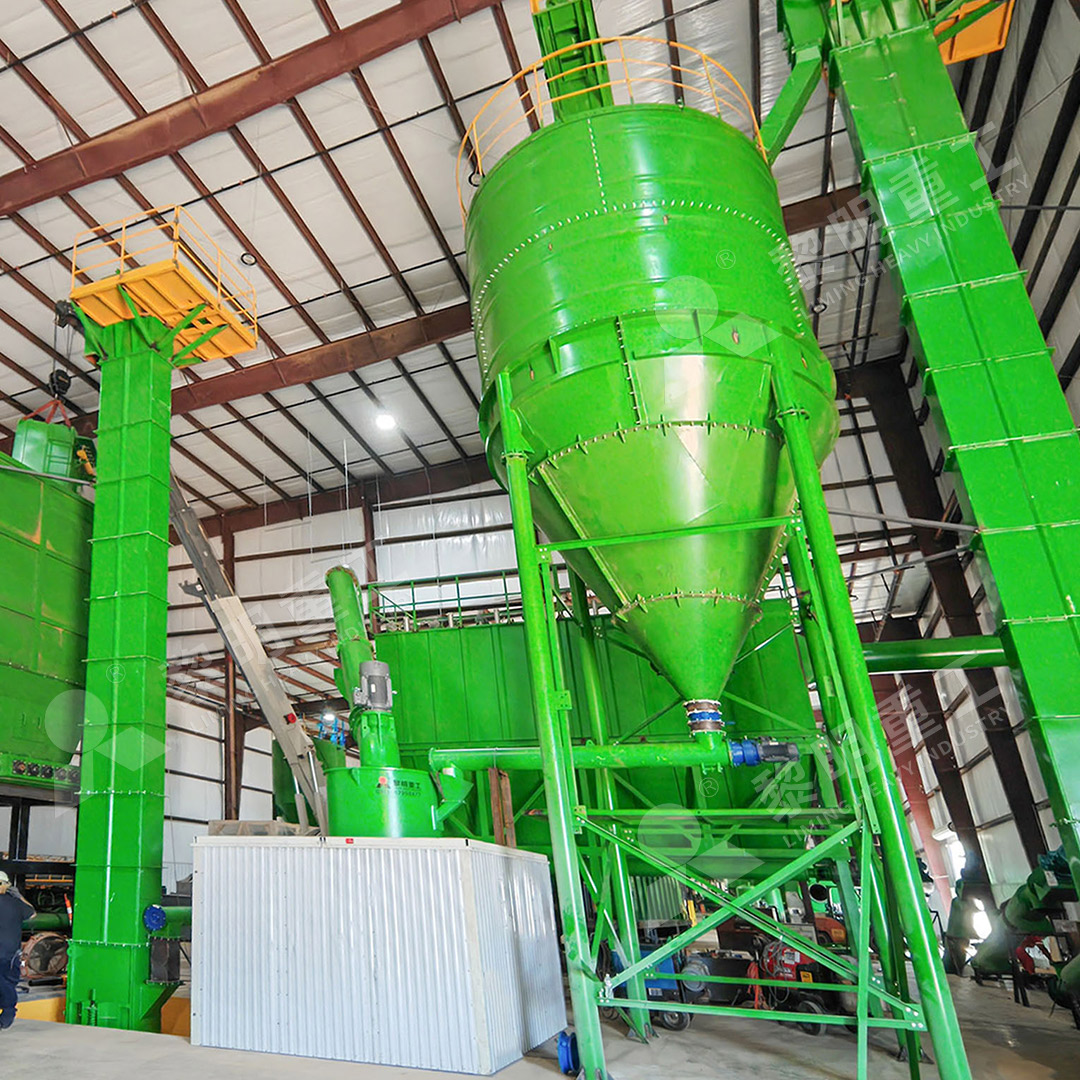
Must-Have Features for Your Compact Gypsum Mill
- Space-Saving Design: Vertical construction is a huge plus for fitting into existing lines.
- Energy Efficiency: Look for modern drives and optimized grinding mechanics to keep operating costs low.
- Adjustable Particle Size: Flexibility to produce different grades for different customers is key.
- Dust & Noise Control: Integrated baghouse filters and sound dampening are essential for safety, environmental compliance, and being a good neighbor.
- Ease of Maintenance:
Why an Ultrafine Mill Might Be Your Best Bet
For operations aiming at premium markets, a dedicated ultrafine mill is often worth the investment. We particularly recommend our MW Ultrafine Grinding Mill for these applications. It’s a beast designed specifically for making ultra-fine powder without the headaches.
Here’s why it stands out for gypsum: With an input size of 0-20 mm and a capacity range of 0.5-25 tph, it’s perfectly scaled for smaller production runs. Its cage-type powder selector (using German tech) lets you dial in the fineness precisely between 325-2500 meshes. A huge advantage is its design: no rolling bearings or screws inside the grinding chamber. This eliminates a major point of failure and contamination – you’ll never have to worry about a loose screw wrecking your batch or a bearing seal leaking grease into your product. Plus, the external lubrication means you can do maintenance without a full shutdown.
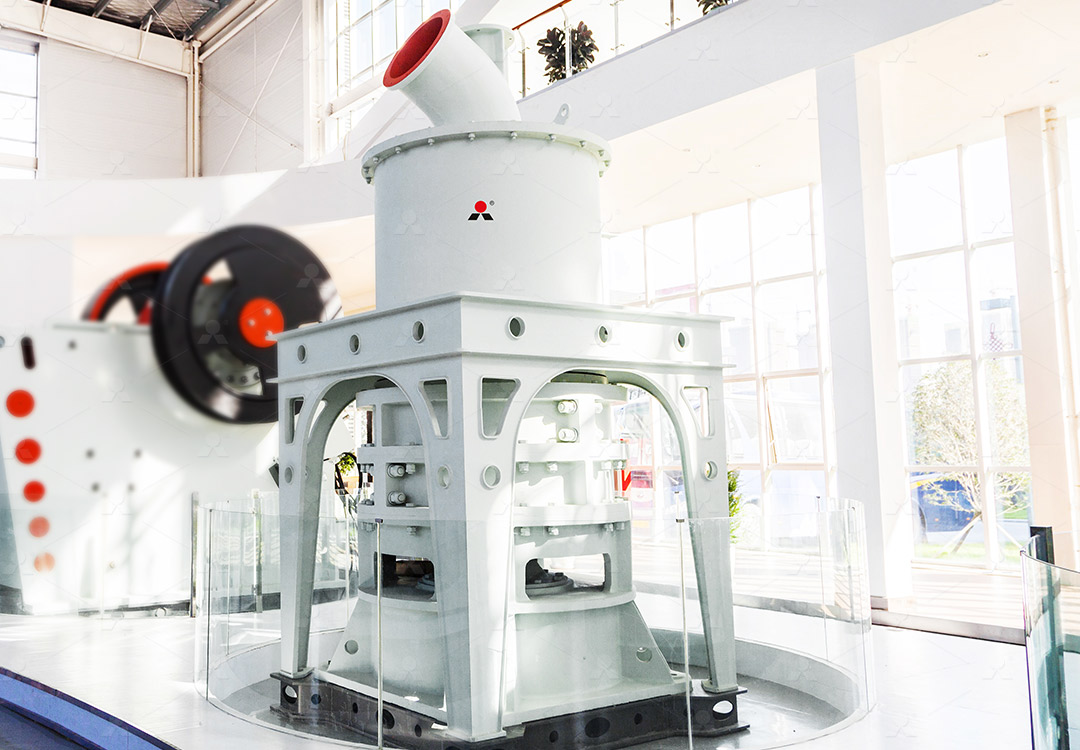
It’s also built with the environment and operators in mind. The efficient pulse dust collector ensures a clean operation, and built-in silencers keep noise levels down. For a compact operation that needs to produce a high-value, super-fine gypsum product consistently and with minimal fuss, the MW Series is an excellent solution that grows with you.
Another Strong Contender: The LUM Ultrafine Vertical Mill
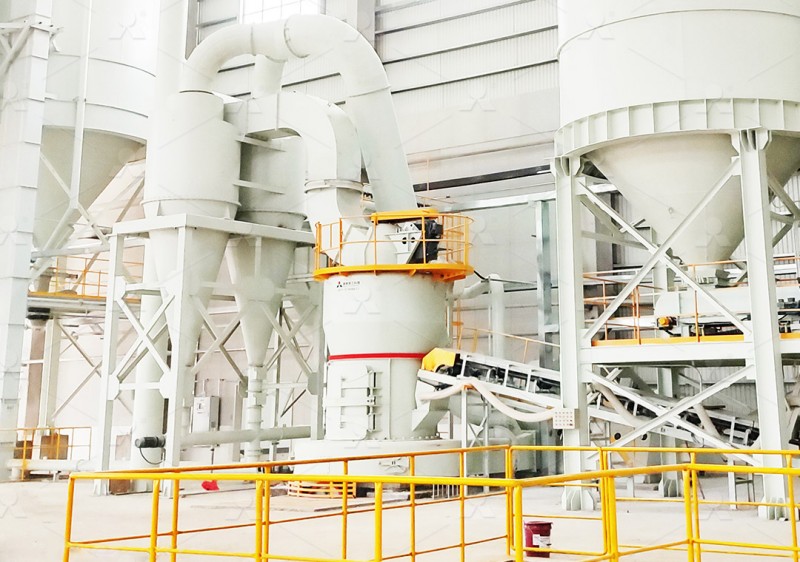
If your process is even more sensitive to iron contamination or you value exceptional product whiteness, also take a look at our LUM Ultrafine Vertical Grinding Mill. It incorporates the latest roller technology from Taiwan and German powder separation tech. A key feature is its unique roller shell and lining plate grinding curve, which is easier on the material and results in a higher rate of finished product in a single pass. This means better efficiency and a cleaner, whiter final powder. Its reversible structure is a maintenance dream, allowing you to swing the heavy grinding rollers out of the way for easy inspection and liner replacement, minimizing those expensive shutdown periods.
Making the Right Choice
Your final choice depends on your target fineness, budget, and desired operational simplicity. For general-purpose grinding up to 325 mesh, a Raymond mill is a safe bet. For super-fine, high-purity applications, the advanced technology of an ultrafine mill like our MW or LUM series will pay dividends in product quality and low operating costs. Always consult with an expert to match the machine’s capabilities directly to your gypsum and production goals.