
Common Problems and Solutions for Limestone Grinding Mill Operation
We provide a wide range of mills — including Raymond mill, trapezoidal mill, vertical mill, ultrafine mill, and ball mill, obtained ISO9001 international quality certification, EU CE certification, and Customs Union CU-TR certification. Suitable for processing minerals such as limestone, phosphate, quicklime, kaolin, talc, barite, bentonite, calcium carbonate, dolomite, coal, gypsum, clay, carbon black, slag, cement raw materials, cement clinker, and more.
The discharge range of these mills can be adjusted to meet specific processing needs, typically from 80-400 mesh, 600-3250 mesh, and can achieve the finest particle size of up to 6000 mesh(D50).
If you are looking for a reliable grinding solution to turn stone or minerals into fine powder, please feel free to contact our online customer service.
Common Problems and Solutions for Limestone Grinding Mill Operation
Operating a limestone grinding mill efficiently requires understanding common operational challenges and their practical solutions. Based on extensive field experience, we’ve compiled the most frequent issues encountered by operators and the best practices to resolve them, ensuring optimal performance and longevity of your equipment.
1. Reduced Output Capacity
A frequent complaint is a gradual or sudden drop in production output. This is often caused by worn grinding rollers and rings, improper feed size, or blockages in the classifying system.
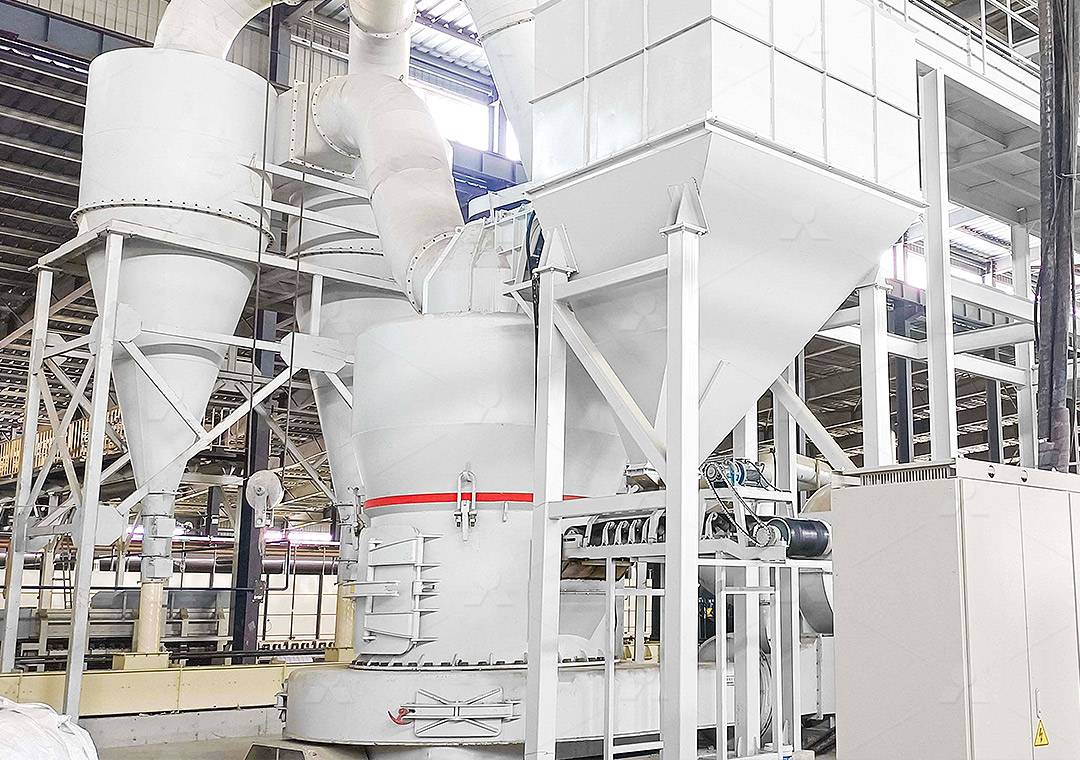
Solution: Regularly inspect and maintain wear parts. Ensure the feed material is within the mill’s specified input size range (typically 0-20mm for ultrafine models). Check the powder separator and air flow for obstructions. For operations demanding high capacity and consistent output, consider upgrading to a mill designed for higher efficiency.
2. Excessive Vibration or Noise
Unusual vibrations or loud noises often point to an imbalance in the grinding chamber, loose components, or bearing issues. Left unchecked, this can lead to significant damage.
Solution: Immediately stop the mill and conduct a thorough inspection. Tighten all bolts and check for any broken parts. Ensure the foundation is solid. For mills like our LUM Ultrafine Vertical Grinding Mill, the double position-limiting technology is specifically designed to mitigate vibration issues and enhance operational stability, preventing destructive impacts from machine vibration.
3. Poor Final Product Fineness
Inconsistent or off-spec product fineness usually stems from problems with the classifier, incorrect air pressure, or worn components affecting the grinding geometry.
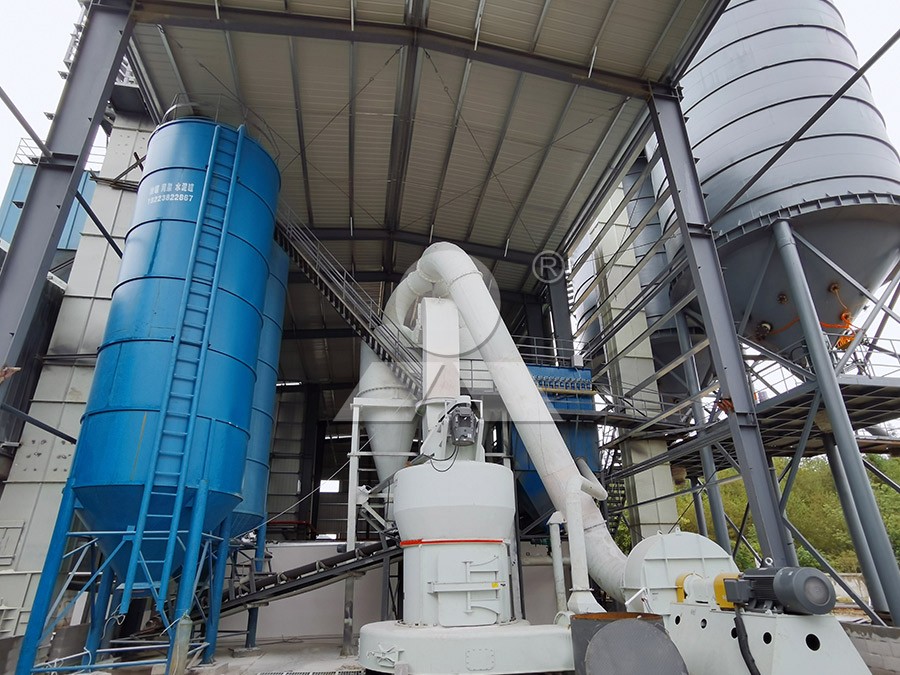
Solution: Calibrate the classifier speed and inspect the blades for wear. Verify the system’s air pressure and flow rate are set according to the material characteristics. Our MW Ultrafine Grinding Mill, for instance, features a advanced cage-type powder selector that allows precise adjustment of fineness between 325-2500 meshes, ensuring high precision separation and consistent product quality.
4. High Energy Consumption
Spikes in power usage reduce profitability. This is frequently due to inefficient grinding caused by worn parts, improper pressure settings, or system leaks.
Solution: Optimize the grinding pressure and roller speed for the specific material. Check the system for air leaks that force the fan to work harder. Modern mills are engineered for lower energy consumption. The MW Mill, for example, is designed to achieve 40% higher capacity with system energy consumption only 30% of that of a jet mill.
5. Dust Leakage and Environmental Concerns
Dust emission violates environmental standards and represents product loss. leaks typically occur at seals, connections, or if the dust collector is overloaded or malfunctioning.
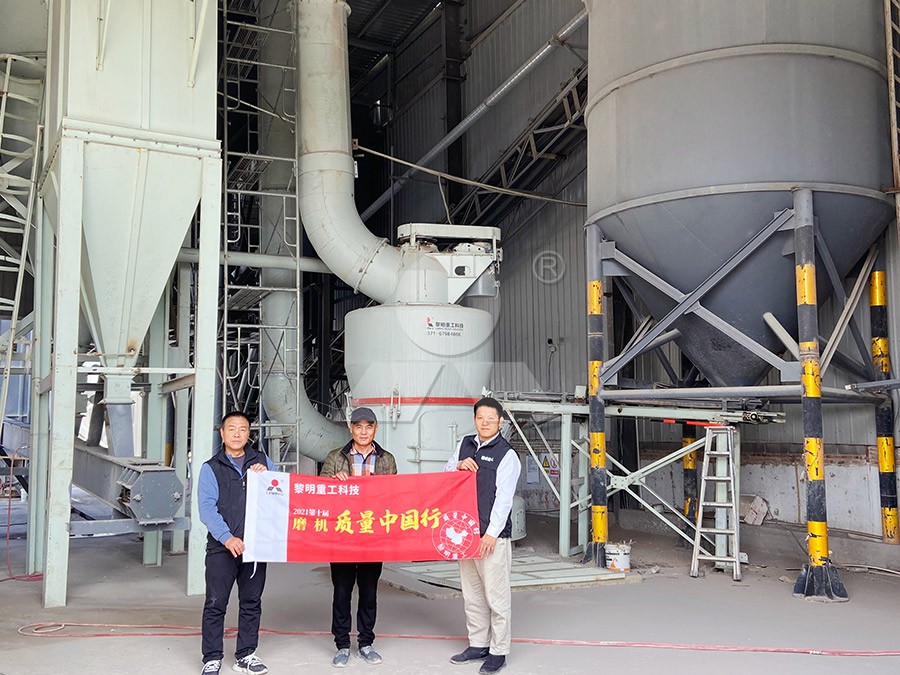
Solution: Regularly inspect and replace sealing components. Ensure the pulse jet dust collector is functioning correctly, with bags cleaned or replaced as needed. Our mills are equipped with high-efficiency pulse dust collectors and mufflers, operating under negative pressure to contain dust and reduce noise, making the entire production process more eco-friendly.
6. Rapid Wear of Grinding Components
Limestone’s abrasive nature accelerates the wear of rollers and rings, leading to increased downtime and maintenance costs.
Solution: Use wear parts made from high-performance, wear-resistant alloys. Implement a predictive maintenance schedule to monitor wear and plan replacements during planned shutdowns, avoiding unexpected failures.
Frequently Asked Questions (FAQ)
Q1: How often should I lubricate the main bearings?
A: Follow the manufacturer’s manual strictly. Most modern mills feature centralized automated lubrication systems, but regular checks of oil levels and quality are essential. Some designs, like the MW Mill, have external lubrication points allowing for maintenance without shutdown.
Q2: What is the biggest cause of unplanned downtime?
A: Failure to adhere to a preventive maintenance schedule is the most common cause. Unexpected failures of wear parts (rollers, rings) and blockages are major contributors. Regular inspection is key.
Q3: Can I grind materials other than limestone in my mill?
A: Many mills are versatile. Our MW and LUM mills, for example, can handle calcite, dolomite, talc, barite, and more. Always consult your equipment manual and test grindability for new materials, as hardness and moisture content can significantly impact performance.
Q4: How can I improve the service life of my grinding components?
A: Use high-quality original spare parts designed for your specific mill model. Ensure proper and consistent feed material size and hardness. Avoid running the mill without material feed, as this causes metal-to-metal contact and accelerated wear.