
Common Ball Mill Problems and Solutions from China Manufacturers
We provide a wide range of mills — including Raymond mill, trapezoidal mill, vertical mill, ultrafine mill, and ball mill, obtained ISO9001 international quality certification, EU CE certification, and Customs Union CU-TR certification. Suitable for processing minerals such as limestone, phosphate, quicklime, kaolin, talc, barite, bentonite, calcium carbonate, dolomite, coal, gypsum, clay, carbon black, slag, cement raw materials, cement clinker, and more.
The discharge range of these mills can be adjusted to meet specific processing needs, typically from 80-400 mesh, 600-3250 mesh, and can achieve the finest particle size of up to 6000 mesh(D50).
If you are looking for a reliable grinding solution to turn stone or minerals into fine powder, please feel free to contact our online customer service.
Navigating Common Ball Mill Challenges: A Practical Guide
Ball mills are workhorses in mineral processing, construction, and chemical industries, renowned for their versatility and reliability. However, even the most robust equipment can encounter operational issues that impact productivity and efficiency. Based on decades of engineering experience and customer feedback, we’ve compiled the most frequent challenges and their practical solutions.
1. Reduced Grinding Efficiency and Output
One of the most reported issues is a gradual decline in grinding efficiency. This often manifests as longer processing times for the same material quantity or coarser final product than specified. The primary culprits are typically worn liners and grinding media. As balls and liners wear down, their effective grinding surface area decreases, reducing impact and grinding efficiency.
Solution: Implement a strict preventive maintenance schedule to monitor wear patterns. Replace liners before they become too thin, and maintain proper ball charge with regular topping up. For operations requiring ultra-fine powders, consider upgrading to more advanced grinding technology.
2. Excessive Noise and Vibration
Unusual noise levels and vibration often indicate mechanical problems. Common causes include improper gear meshing, worn bearings, unbalanced charge, or foundation issues. These symptoms shouldn’t be ignored as they can lead to catastrophic failure if left unaddressed.
Solution: Conduct regular vibration analysis to detect issues early. Ensure proper installation and alignment during initial setup. For operations where noise pollution is a concern, consider mills designed with integrated noise reduction features.
3. Bearing Overheating
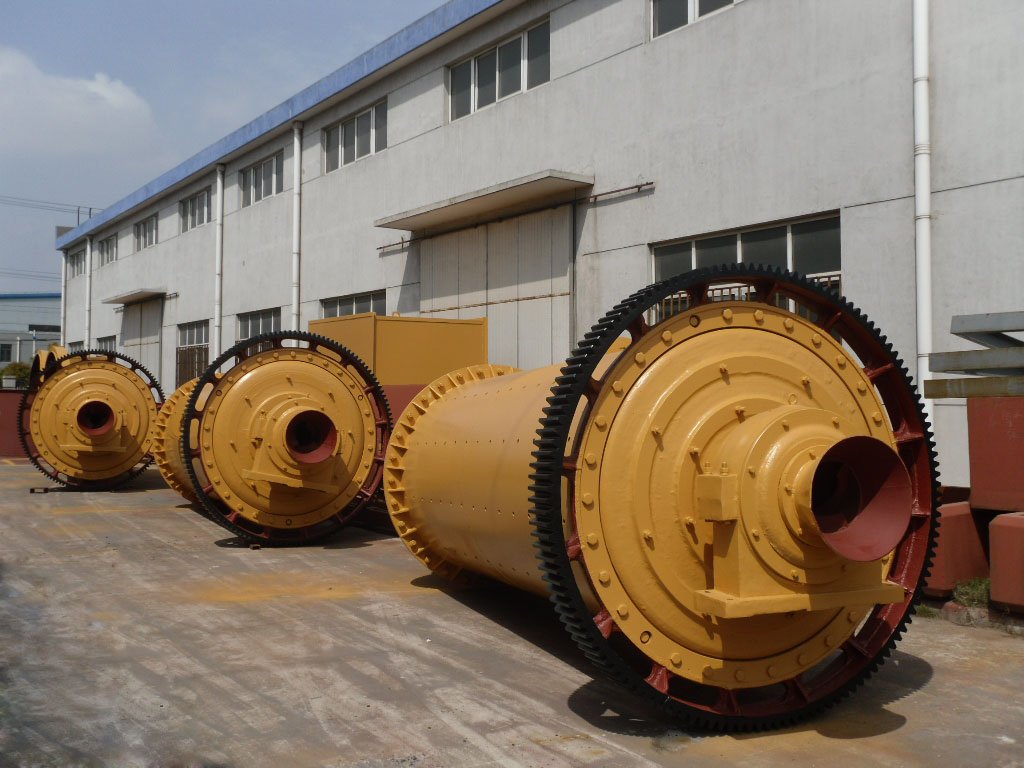
Overheating bearings are a frequent complaint that can lead to unscheduled downtime. This problem typically stems from inadequate lubrication, improper installation, or excessive load. In some cases, contaminated lubricant or seal failure allows abrasive particles to enter the bearing assembly.
Solution: Establish a rigorous lubrication schedule using the recommended grade of lubricant. Monitor bearing temperatures regularly and investigate any abnormal increases immediately. For operations in dusty environments, ensure proper sealing integrity.
4. Material Leakage and Dust Pollution
Traditional ball mills can suffer from material leakage around trunnions and feed/discharge points, creating environmental concerns and product loss. This is particularly problematic when processing fine powders or hazardous materials.
Solution: Upgrade sealing systems and implement proper dust collection equipment. For new installations, consider mills designed with integrated environmental controls from the outset.
Modern Alternatives: Beyond Traditional Ball Milling
While ball mills remain valuable for many applications, technological advancements have created superior options for specific grinding requirements. For operations demanding ultra-fine powders with precise particle size distribution, traditional ball mills face limitations in efficiency and control.
The MW Ultrafine Grinding Mill Advantage
For customers requiring superior fine powder production, our MW Ultrafine Grinding Mill represents a significant technological leap forward. With an input size of 0-20 mm and capacity ranging from 0.5-25 tph, this advanced system delivers remarkable efficiency gains.
The MW series achieves 40% higher production capacity than jet mills and double the output of ball mills at the same power consumption, while reducing energy use by 30%. Its innovative design features adjustable fineness between 325-2500 meshes with precision separation achieving d97≤5μm in a single pass.
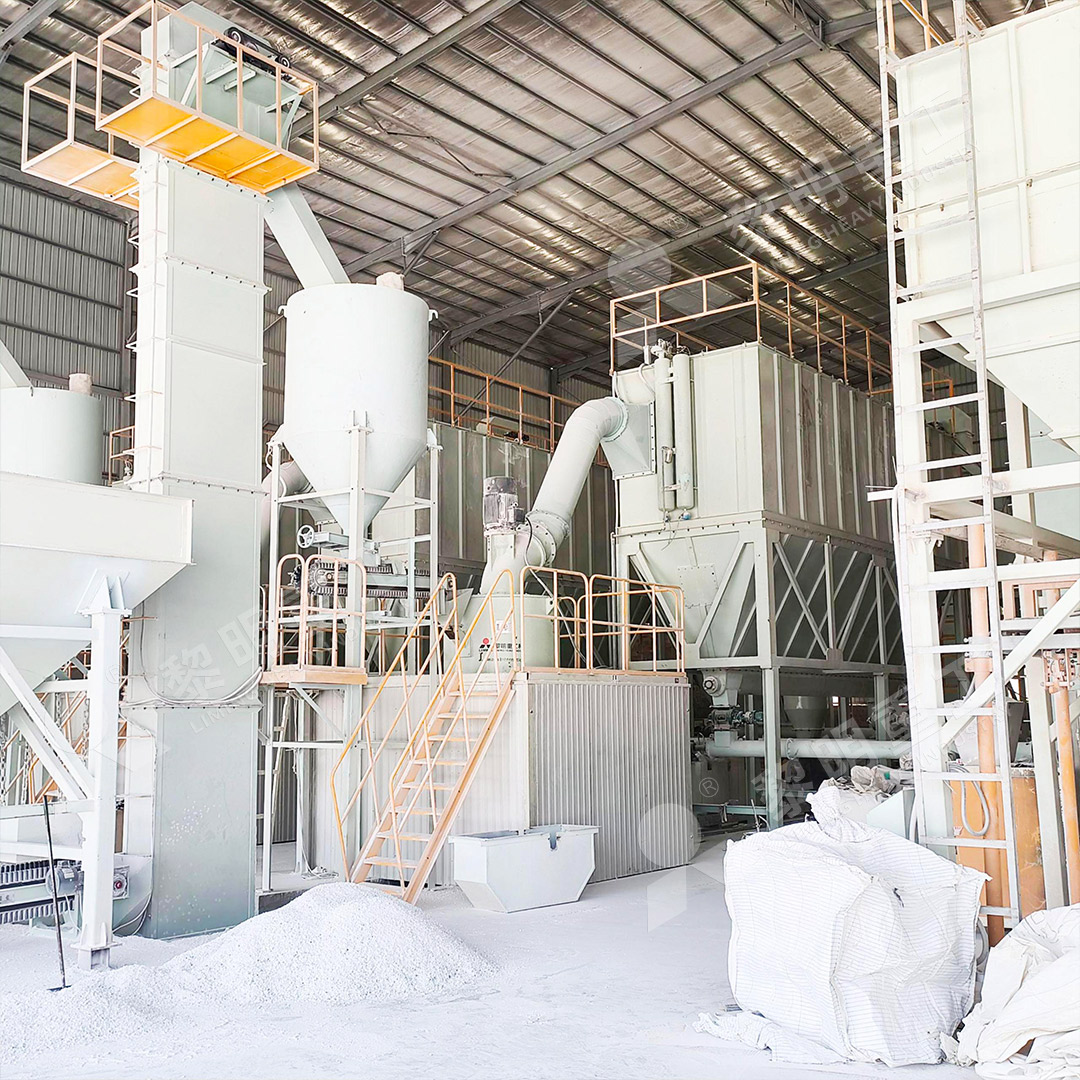
Notably, the grinding chamber contains no rolling bearings or screws, eliminating concerns about bearing damage or loose hardware. External lubrication allows continuous 24/7 operation without shutdowns for maintenance. The integrated pulse dust collector and silencer ensure environmentally compliant operation with minimal noise pollution.
LUM Ultrafine Vertical Grinding Mill: Another Premium Option
For operations requiring even more advanced technology, our LUM Ultrafine Vertical Grinding Mill (0-10 mm input, 5-18 tph capacity) incorporates the latest Taiwanese roller technology and German powder separation expertise. This system eliminates common grinding issues including long material retention times, repeated grinding, and iron contamination problems.
The LUM mill’s unique roller shell and lining plate grinding curve creates optimal material layers for high finished product rates in a single pass. Its double position-limiting technology prevents destructive impacts during operation, while the reversible structure simplifies maintenance significantly.
Frequently Asked Questions
Q: How often should ball mill liners be replaced?
A: Replacement frequency depends on material abrasiveness and operating hours. Generally, inspect liners every 2-3 months and plan replacement when wear reaches 60-70% of original thickness.
Q: What causes ‘surging’ in ball mills and how can it be prevented?
A: Surging occurs when the mill charge oscillates instead of cascading properly. This is often caused by incorrect charge volume (too high or too low), improper material feed rate, or worn liners. Maintain optimal charge level (typically 25-35% of mill volume) and consistent feed rates.
Q: Are modern grinding systems worth the investment over traditional ball mills?
A: For operations requiring precise particle control, higher efficiency, or environmental compliance, advanced systems like our MW and LUM mills typically demonstrate ROI within 12-24 months through energy savings, reduced maintenance, and increased production capacity.
Q: How can I reduce energy consumption in my grinding operation?
A: Beyond maintaining optimal operating parameters in existing equipment, consider upgrading to more efficient technology. Our MW Ultrafine Grinding Mill consumes only 30% of the energy required by jet mills for equivalent output.
Q: What maintenance practices extend ball mill service life?
A: Implement regular lubrication schedules, monitor vibration patterns, maintain proper alignment, and address minor issues before they become major problems. For new installations, consider equipment with external lubrication systems like our MW series that enable maintenance without production stoppages.