
Combination of Ball Mill and Conveyor System: Design and Illustrations
We provide a wide range of mills — including Raymond mill, trapezoidal mill, vertical mill, ultrafine mill, and ball mill, obtained ISO9001 international quality certification, EU CE certification, and Customs Union CU-TR certification. Suitable for processing minerals such as limestone, phosphate, quicklime, kaolin, talc, barite, bentonite, calcium carbonate, dolomite, coal, gypsum, clay, carbon black, slag, cement raw materials, cement clinker, and more.
The discharge range of these mills can be adjusted to meet specific processing needs, typically from 80-400 mesh, 600-3250 mesh, and can achieve the finest particle size of up to 6000 mesh(D50).
If you are looking for a reliable grinding solution to turn stone or minerals into fine powder, please feel free to contact our online customer service.
Combination of Ball Mill and Conveyor System: Design and Illustrations
In modern mineral processing and powder production facilities, the integration of robust milling equipment with efficient material handling systems is paramount to operational success. The classic ball mill remains a workhorse for coarse to fine grinding applications, but its true potential is unlocked when seamlessly coupled with a well-designed conveyor system. This combination ensures a continuous, automated flow of material, maximizing throughput while minimizing manual intervention and energy waste.
The core of this setup is, of course, the ball mill itself. A common used grinding plant in the industry, it’s a key equipment for milling after materials are crushed. This machine can grind all kinds of ores and other materials, widely used in beneficiation, construction, and the chemical industry. Its advantages include lower investment, energy saving, a novelty structure, and being easy and safe to operate, with stable and reliable performance.
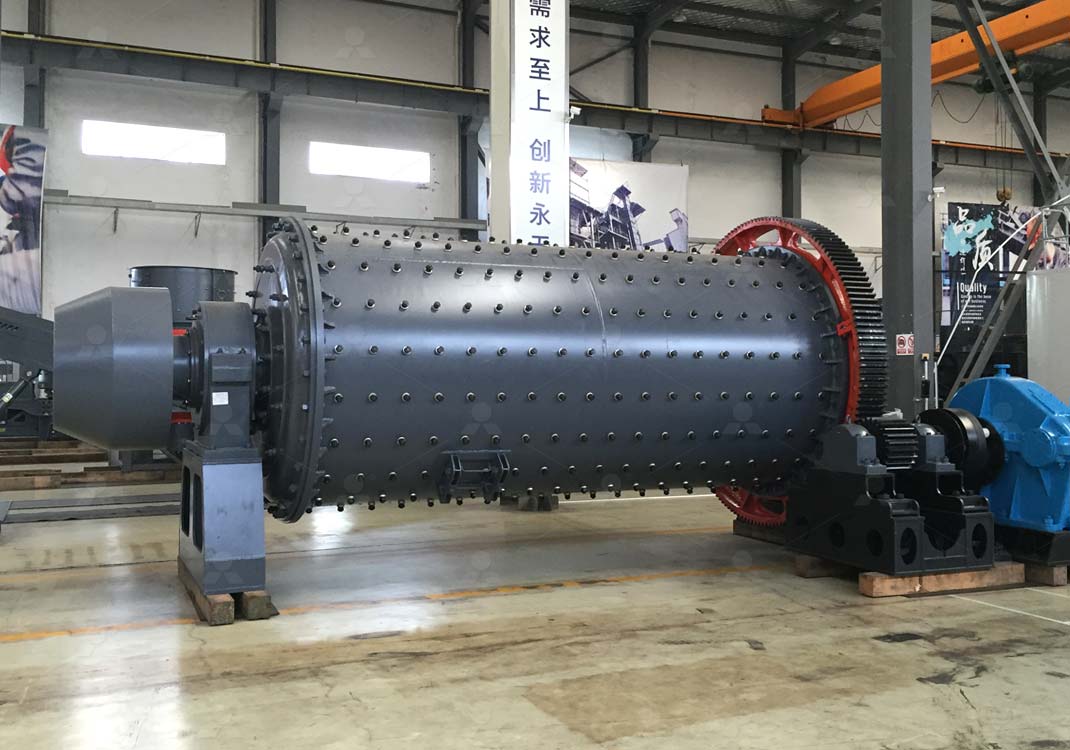
However, for operations requiring a finer product or dealing with softer materials, a ball mill might not always be the most efficient choice. This is where considering an advanced alternative like our MW Ultrafine Grinding Mill becomes a game-changer. Designed for customers who need to make ultra-fine powder (325-2500 meshes), this machine boasts a capacity of 0.5-25 tph and handles an input size of 0-20mm. It features higher yielding with lower energy consumption—production capacity is 40% higher than jet mills and twice as large as ball mills, while system energy consumption is only 30% of a jet mill. Its design, with no rolling bearings or screws in the grinding chamber, eliminates worries about bearing damage or loose screws causing failures.
The conveyor system linking the crusher, mill, and product collection units is the circulatory system of the operation. Belt conveyors, screw conveyors, and bucket elevators must be selected based on material characteristics (abrasiveness, moisture, granulometry) and the layout of the plant. The goal is to create a closed, dust-free loop that minimizes spillage and degradation of the processed material.
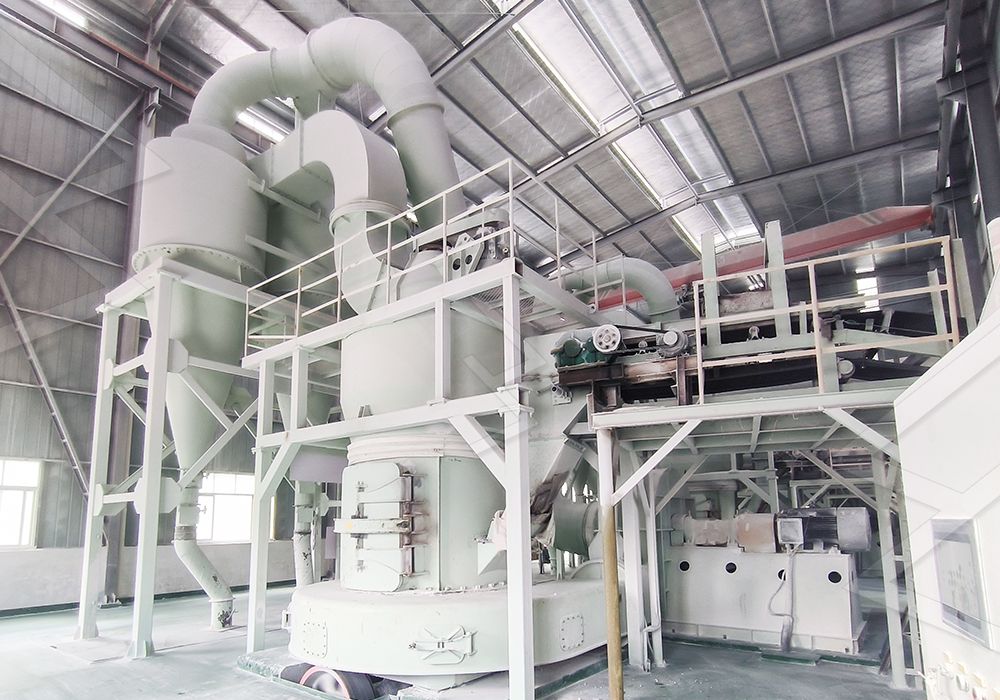
Critical to this enclosed operation is effective dust control. Both ball mills and our MW Ultrafine Grinding Mill can be equipped with efficient pulse dust collectors and mufflers, significantly reducing dust and noise pollution. The MW Mill’s dust removal by pulse collector makes the entire operation more eco-friendly, ensuring the production process meets national environmental protection standards. This is a significant advantage over traditional open-system ball mill setups, which can be messy and pose health risks.
When designing such a system, attention must be paid to the transfer points between equipment. These are potential zones for plugging, dust generation, and excessive wear. Properly designed chutes with wear liners and sealing systems are essential. Furthermore, the control system should integrate both the mill’s operation (e.g., feed rate, motor load) and the conveyor system (e.g., belt speed, start/stop sequences) to optimize the entire process flow and prevent overloads or run-on-empty situations.
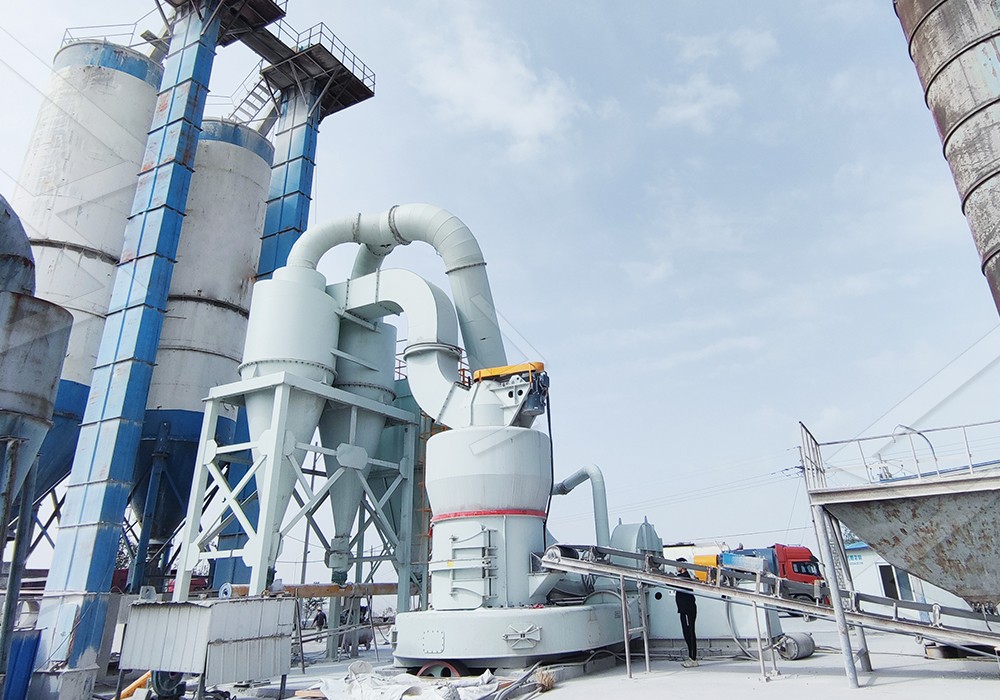
For projects where space is limited or the material requires even more advanced processing, another excellent solution from our portfolio is the LUM Ultrafine Vertical Grinding Mill. It integrates grinding, classifying, and transporting with a smaller footprint. With an input size of 0-10mm and capacity of 5-18 tph, it employs advanced powder separating technology for precise cuts and lower energy consumption (30%-50% less than common grinding mills). Its reversible structure also allows for incredibly easy maintenance—a major operational benefit.
In conclusion, the marriage of a ball mill—or better yet, a more advanced ultrafine mill—to a thoughtfully engineered conveyor system creates a powerful, efficient, and clean production line. By choosing the right grinding technology, like our MW or LUM mills, and pairing it with automated material handling, operators can achieve superior product quality, higher yields, and significantly reduced operational costs, all while maintaining an environmentally responsible facility.