
Coal Vibratory Mill: Efficient Grinding Solutions for Power Generation
We provide a wide range of mills — including Raymond mill, trapezoidal mill, vertical mill, ultrafine mill, and ball mill, obtained ISO9001 international quality certification, EU CE certification, and Customs Union CU-TR certification. Suitable for processing minerals such as limestone, phosphate, quicklime, kaolin, talc, barite, bentonite, calcium carbonate, dolomite, coal, gypsum, clay, carbon black, slag, cement raw materials, cement clinker, and more.
The discharge range of these mills can be adjusted to meet specific processing needs, typically from 80-400 mesh, 600-3250 mesh, and can achieve the finest particle size of up to 6000 mesh(D50).
If you are looking for a reliable grinding solution to turn stone or minerals into fine powder, please feel free to contact our online customer service.
Coal Vibratory Mill: Efficient Grinding Solutions for Power Generation
In the demanding world of power generation, efficient coal pulverization isn’t just an operational detail—it’s the cornerstone of plant performance and environmental compliance. The transformation of raw coal into fine, consistent powder directly impacts combustion efficiency, emission control, and overall operational costs. For decades, power plants have relied on various grinding technologies, but today’s advanced vibratory mills represent a significant leap forward in precision engineering and energy optimization.
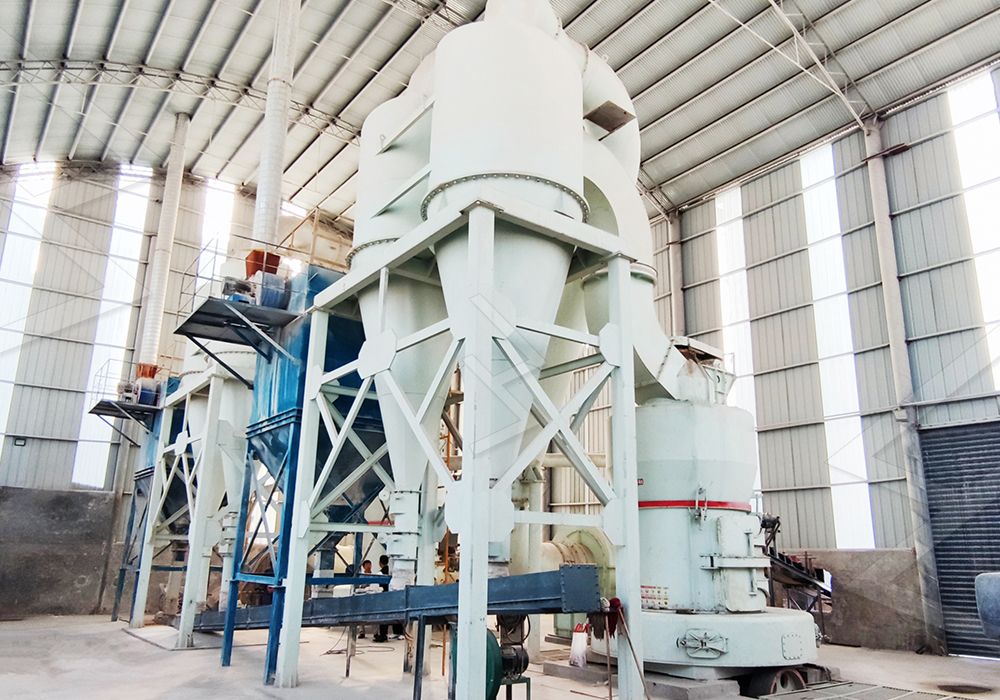
The fundamental challenge in coal grinding lies in achieving optimal particle size distribution while minimizing energy consumption and equipment wear. Traditional ball mills, while reliable, often suffer from high energy demands and inconsistent output. Modern solutions address these limitations through innovative designs that enhance grinding efficiency while reducing environmental impact.
Advanced Grinding Technology for Modern Power Needs
Contemporary coal grinding systems have evolved to incorporate multiple technological advancements. From precision classification systems to automated control mechanisms, these innovations work in concert to deliver superior performance. The integration of digital monitoring allows operators to maintain optimal grinding conditions in real-time, adjusting parameters to accommodate variations in coal quality and combustion requirements.
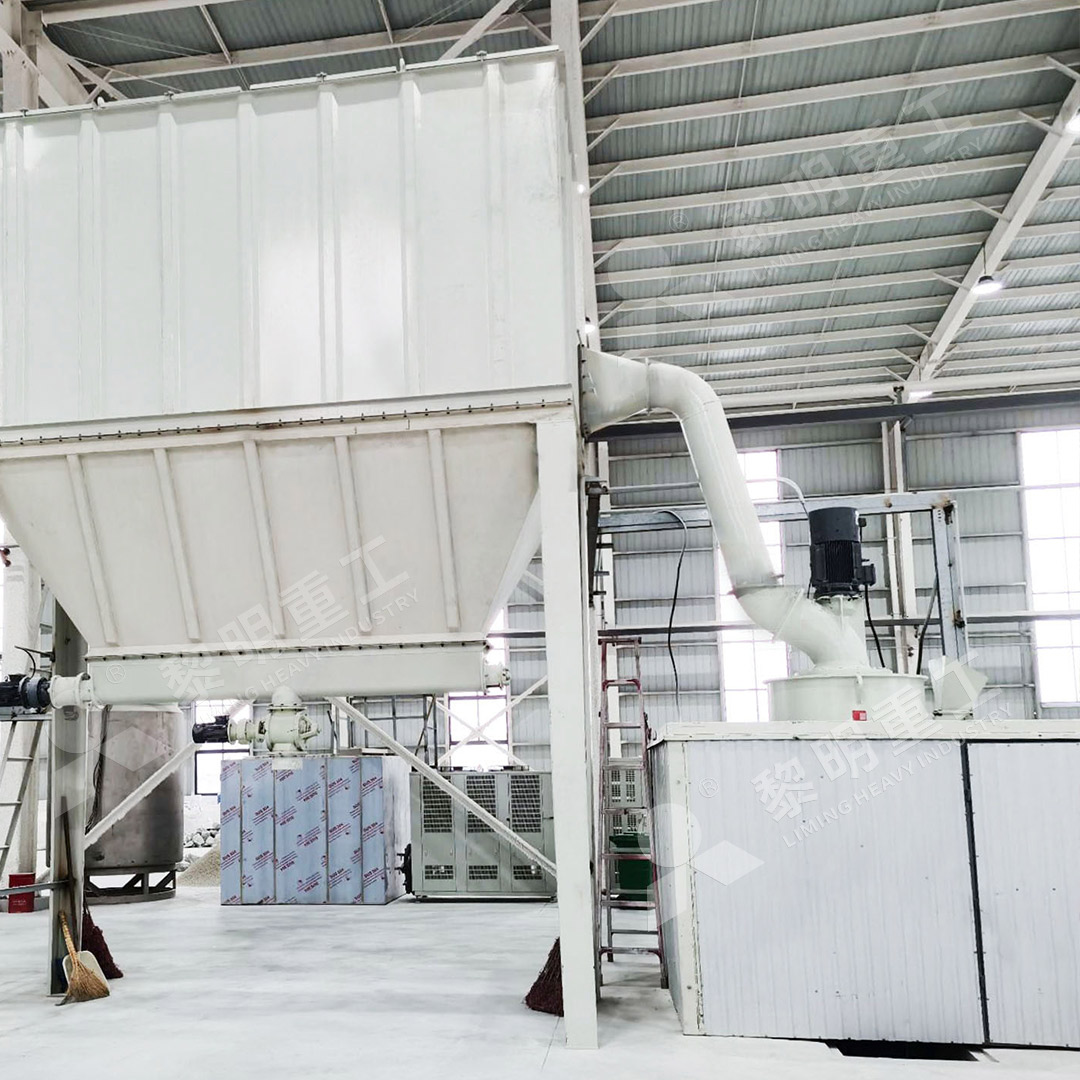
Among the most significant developments is the MW Ultrafine Grinding Mill, which represents a paradigm shift in pulverized coal preparation. This advanced system operates with an input size of 0-20 mm and delivers capacities ranging from 0.5 to 25 tph, making it suitable for various plant scales. Its innovative design eliminates rolling bearings and screws within the grinding chamber, significantly reducing maintenance concerns and potential failure points. The integration of efficient pulse dust collection and muffler systems ensures minimal environmental impact during operation.
Key Performance Advantages in Power Generation Applications
The efficiency gains from advanced coal grinding technology translate directly to operational benefits. Plants utilizing modern vibratory mills report substantially reduced energy consumption—often 30-40% lower than traditional systems. This reduction not only lowers operating costs but also contributes to sustainability goals by decreasing the carbon footprint of power generation.
Beyond energy savings, the precision grinding achievable with equipment like the MW Ultrafine Grinding Mill ensures optimal combustion characteristics. The adjustable fineness between 325-2500 meshes allows operators to tailor output to specific boiler requirements, maximizing heat transfer efficiency while minimizing unburned carbon and emissions. The cage-type powder selector, incorporating German technology, provides exceptional separation precision, ensuring consistent particle size distribution.
Environmental Compliance and Operational Reliability
Modern power generation faces increasing regulatory pressure regarding emissions and environmental impact. Advanced coal grinding systems address these concerns through integrated pollution control mechanisms. The MW Ultrafine Grinding Mill’s pulse dust collector effectively contains particulate matter, while noise reduction features maintain workplace safety standards.
Operational reliability is another critical consideration for power plants, where unscheduled downtime can have significant financial implications. The external lubrication system of advanced mills enables maintenance without shutdown, supporting continuous 24-hour operation. This feature, combined with robust construction and digitalized processing of core components, ensures extended service life and reduced total cost of ownership.
Future-Proofing Power Generation Infrastructure
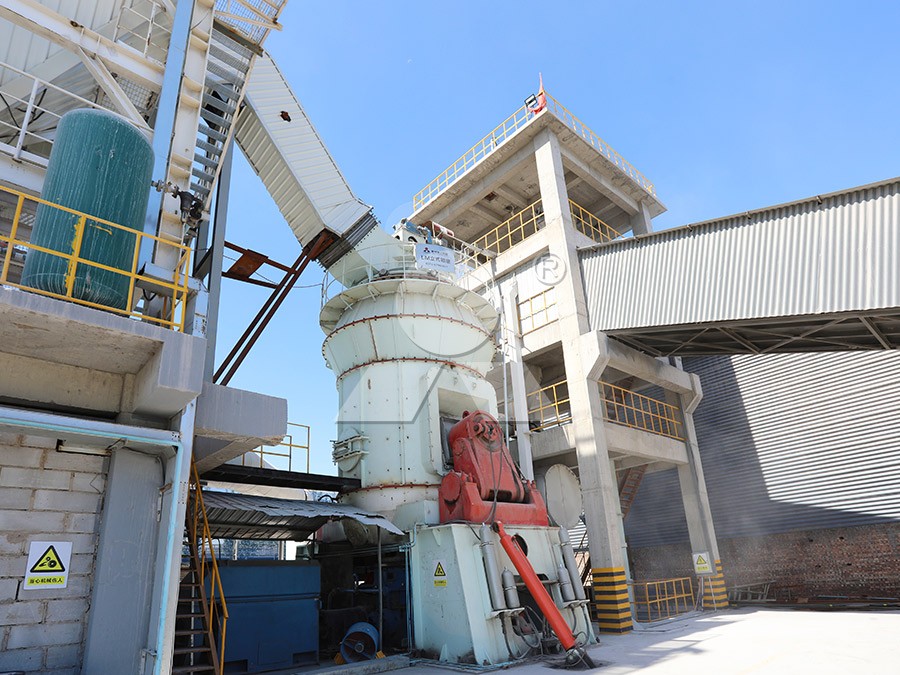
As the energy sector evolves toward increasingly efficient and cleaner operations, advanced coal grinding technology provides a bridge between traditional power generation and future energy systems. The flexibility and efficiency of modern vibratory mills allow plants to optimize existing infrastructure while meeting stricter environmental standards.
The integration of technologies like the MW Ultrafine Grinding Mill represents a smart investment in operational excellence. With higher yielding capacity at lower energy consumption compared to jet grinding mills and ball grinding mills, these systems deliver tangible returns while supporting the transition to more sustainable power generation.
Frequently Asked Questions
What makes modern coal vibratory mills more efficient than traditional grinding systems?
Advanced designs incorporate multiple efficiency enhancements including optimized grinding curves, precision classification systems, and reduced mechanical resistance. The MW Ultrafine Grinding Mill, for instance, achieves 40% higher production capacity than jet grinding mills with the same fineness and power requirements.
How does particle size affect combustion efficiency in power generation?
Consistent, optimally-sized coal particles ensure complete combustion with minimal unburned carbon. This improves heat transfer efficiency, reduces slag formation, and lowers emissions. Advanced mills allow precise control over fineness from 325 to 2500 meshes to match specific boiler requirements.
What maintenance advantages do modern coal grinding systems offer?
Contemporary designs eliminate common failure points—the MW Ultrafine Grinding Mill has no rolling bearings or screws in the grinding chamber. External lubrication systems enable maintenance without shutdown, significantly reducing downtime and associated costs.
How do advanced grinding systems address environmental concerns?
Integrated pulse dust collectors effectively contain particulate matter, while noise reduction technologies maintain compliance with workplace safety standards. The efficient operation also reduces overall energy consumption, indirectly lowering the plant’s carbon footprint.
What capacity ranges are available for power plant applications?
Systems like the MW Ultrafine Grinding Mill offer flexible scaling from 0.5 to 25 tph, accommodating various plant sizes and operational requirements while maintaining efficiency across the capacity range.