
Coal Slag and Coal Gangue Grinding Mill Production Line
We provide a wide range of mills — including Raymond mill, trapezoidal mill, vertical mill, ultrafine mill, and ball mill, obtained ISO9001 international quality certification, EU CE certification, and Customs Union CU-TR certification. Suitable for processing minerals such as limestone, phosphate, quicklime, kaolin, talc, barite, bentonite, calcium carbonate, dolomite, coal, gypsum, clay, carbon black, slag, cement raw materials, cement clinker, and more.
The discharge range of these mills can be adjusted to meet specific processing needs, typically from 80-400 mesh, 600-3250 mesh, and can achieve the finest particle size of up to 6000 mesh(D50).
If you are looking for a reliable grinding solution to turn stone or minerals into fine powder, please feel free to contact our online customer service.
Introduction
Efficiently processing industrial by-products like coal slag and coal gangue into valuable powders requires specialized grinding technology. These materials, once considered waste, are now increasingly utilized in construction materials, cement production, and other industrial applications. The key to unlocking their potential lies in selecting a production line that offers high grinding efficiency, energy savings, and environmental compliance. A well-designed grinding system transforms these challenging materials into consistent, fine powders suitable for modern industrial use.
Material Characteristics and Grinding Challenges
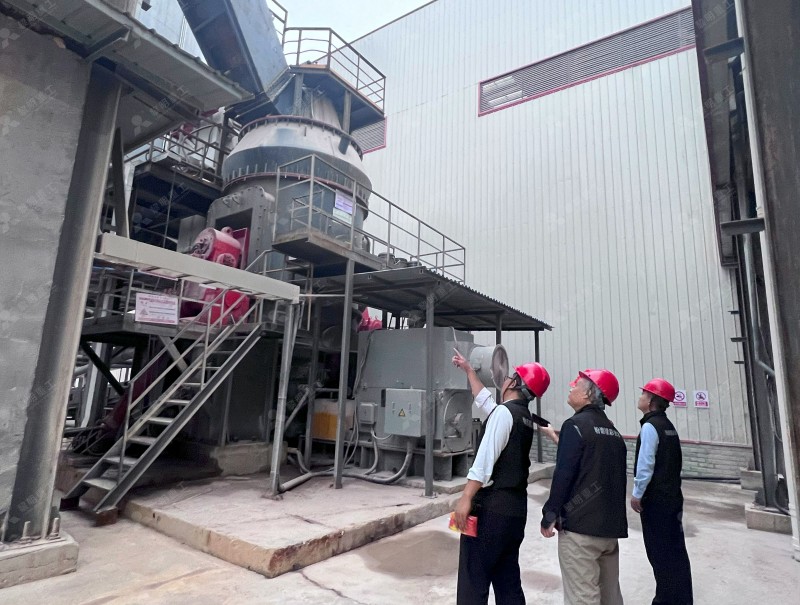
Coal slag and gangue possess unique properties that demand specific milling solutions. Their abrasive nature and varying moisture content can cause rapid wear on conventional grinding equipment. Furthermore, achieving the desired fineness for applications like concrete additives or cement raw meals requires precise control over the grinding process. Traditional ball mills often struggle with high energy consumption and inconsistent particle size distribution when processing these materials.
Advanced Grinding Solutions
Modern grinding technology has evolved significantly to address the specific demands of coal-derived materials. The ideal production line integrates crushing, drying, grinding, and classifying into a cohesive system that maximizes output while minimizing operational costs. For operations focusing on ultra-fine powders, the MW Ultrafine Grinding Mill presents an excellent solution. With an input size of 0-20 mm and capacity ranging from 0.5 to 25 tph, this mill is specifically engineered for customers requiring ultra-fine powder production.
MW Ultrafine Grinding Mill: A Technical Overview
This machine stands out for its higher yielding and lower energy consumption compared to traditional grinding systems. Its newly designed grinding curves enhance efficiency, delivering production capacity 40% higher than jet mills and double that of ball mills, while using only 30% of the energy of jet grinding systems. The mill’s cage-type powder selector, incorporating German technology, allows adjustable fineness between 325-2500 meshes with a screening rate achieving d97≤5μm in a single pass. A significant design advantage is the absence of rolling bearings and screws in the grinding chamber, eliminating concerns about bearing damage or loose screws causing operational failures.
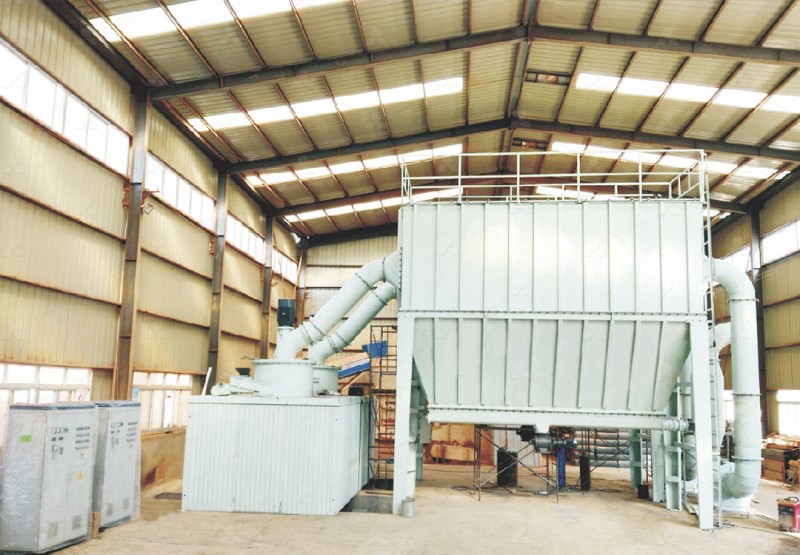
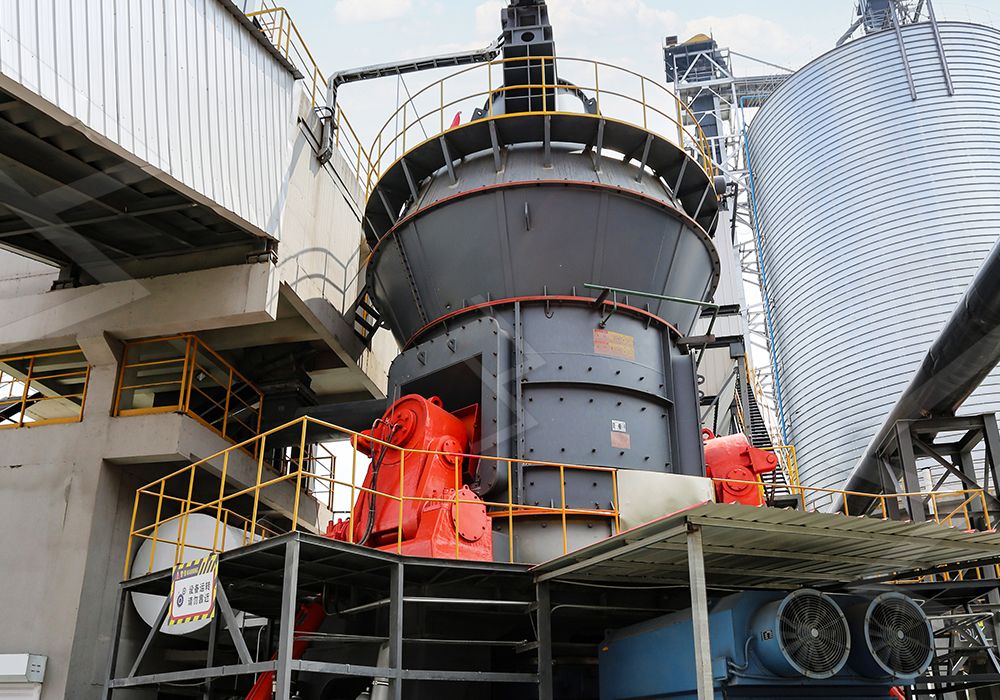
For operations requiring different throughput specifications, the LUM Ultrafine Vertical Grinding Mill offers another sophisticated option. With an input size of 0-10 mm and capacity of 5-18 tph, this mill integrates ultrafine powder grinding, grading, and transporting with advanced roller technology and German powder separating technology. Its unique roller shell and lining plate grinding curve generates material layers more effectively, enabling high rates of finished products through single-pass powder milling.
Production Line Configuration
A complete coal slag grinding production line typically includes several key components: a crusher for preliminary size reduction, a drying system for moisture control, the grinding mill itself, a classifier for particle size separation, and a dust collection system for environmental protection. The entire system should be designed for continuous operation with minimal downtime for maintenance. Both the MW and LUM mills feature external lubrication systems that allow for maintenance without shutdowns, supporting 24-hour production cycles.
Environmental Considerations
Modern grinding systems must address environmental regulations comprehensively. The MW Ultrafine Grinding Mill is equipped with an efficient pulse dust collector and muffler, ensuring no dust pollution occurs during operation. The system operates fully according to national environmental protection standards, with noise reduction measures including silencers and noise elimination rooms. This eco-friendly approach is essential for operations in or near populated areas.
Frequently Asked Questions
What is the typical fineness range achievable for coal slag powder?
With advanced mills like the MW series, fineness can be precisely controlled between 325-2500 meshes, suitable for various industrial applications from construction materials to chemical additives.
How does the energy consumption compare to traditional ball mills?
Modern grinding systems typically reduce energy consumption by 30-50% compared to conventional ball mills, while simultaneously increasing production capacity by 40-100%.
What maintenance features help minimize downtime?
Key design elements include external lubrication systems that allow maintenance without shutdown, reversible structures for easy roller access, and the elimination of internal bearings and screws that are prone to failure.
Can the system handle variations in material moisture content?
Yes, integrated drying capabilities allow these systems to process materials with varying moisture levels, with some configurations capable of simultaneous grinding and drying operations.
What safety features are incorporated?
Systems include multiple limiting technologies to prevent destructive impacts between grinding components, automated pressure controls, and comprehensive environmental protections against dust and noise pollution.