
Coal-Series Kaolin Raymond Mill: A Complete Guide to Processing and Applications
We provide a wide range of mills — including Raymond mill, trapezoidal mill, vertical mill, ultrafine mill, and ball mill, obtained ISO9001 international quality certification, EU CE certification, and Customs Union CU-TR certification. Suitable for processing minerals such as limestone, phosphate, quicklime, kaolin, talc, barite, bentonite, calcium carbonate, dolomite, coal, gypsum, clay, carbon black, slag, cement raw materials, cement clinker, and more.
The discharge range of these mills can be adjusted to meet specific processing needs, typically from 80-400 mesh, 600-3250 mesh, and can achieve the finest particle size of up to 6000 mesh(D50).
If you are looking for a reliable grinding solution to turn stone or minerals into fine powder, please feel free to contact our online customer service.
Introduction to Coal-Series Kaolin Processing
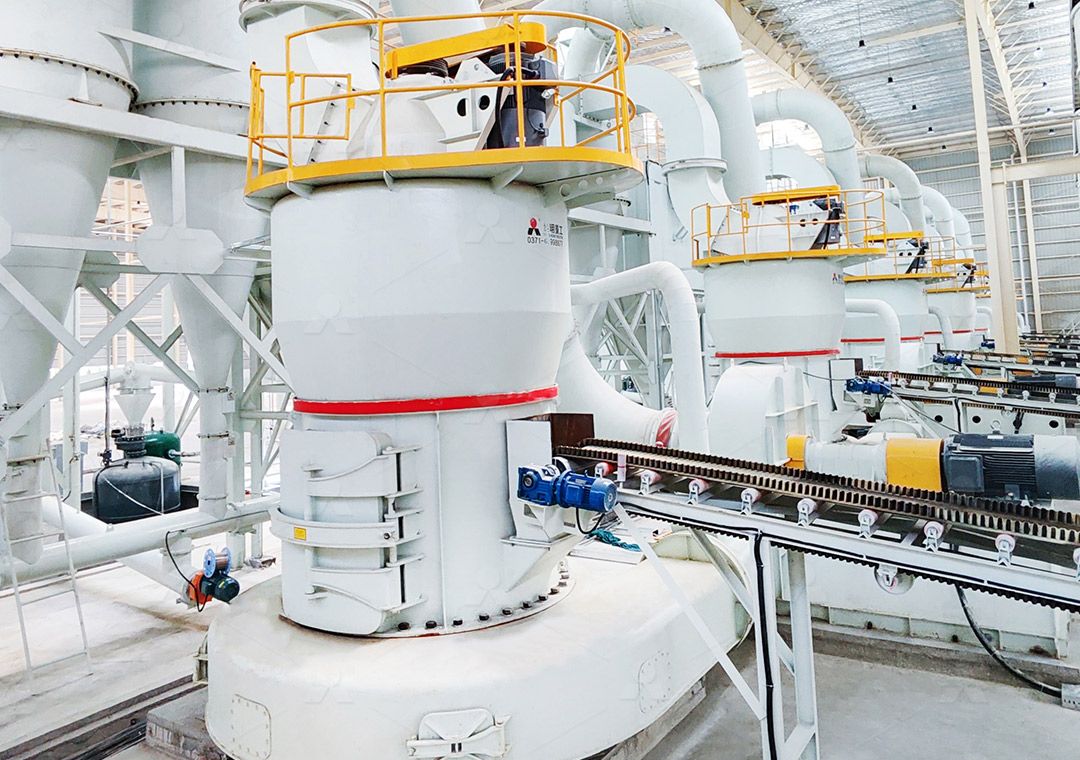
Coal-series kaolin, a valuable industrial mineral derived from coal measures, presents unique processing challenges due to its variable composition and the need for precise particle size control. Traditional grinding methods often fall short in achieving the required fineness and purity for high-end applications. The Raymond Mill, a proven technology in mineral processing, has been specifically adapted to handle the delicate nature of coal-series kaolin, offering an efficient solution for transforming this raw material into high-value powder.
Key Processing Challenges and Solutions
Processing coal-series kaolin requires careful attention to several critical factors. The material’s inherent moisture content, typically ranging from 8-15%, demands efficient drying capabilities integrated with the grinding process. Additionally, the preservation of kaolin’s whiteness and chemical purity is paramount, necessitating grinding equipment that minimizes iron contamination and maintains product integrity. The Raymond Mill system addresses these challenges through its closed-circuit design and specialized grinding elements that prevent metal-to-metal contact in critical areas.
Advanced Raymond Mill Technology for Kaolin
Modern Raymond Mill systems for coal-series kaolin processing incorporate several technological advancements that significantly enhance performance. The integration of high-efficiency classifiers allows for precise control over particle size distribution, crucial for meeting specific application requirements. Advanced grinding roller and ring designs, often featuring specialized alloys, ensure consistent performance while minimizing wear-induced contamination. The systems also incorporate sophisticated dust collection technology that maintains operational cleanliness and product recovery rates exceeding 99%.
Product Spotlight: MW Ultrafine Grinding Mill
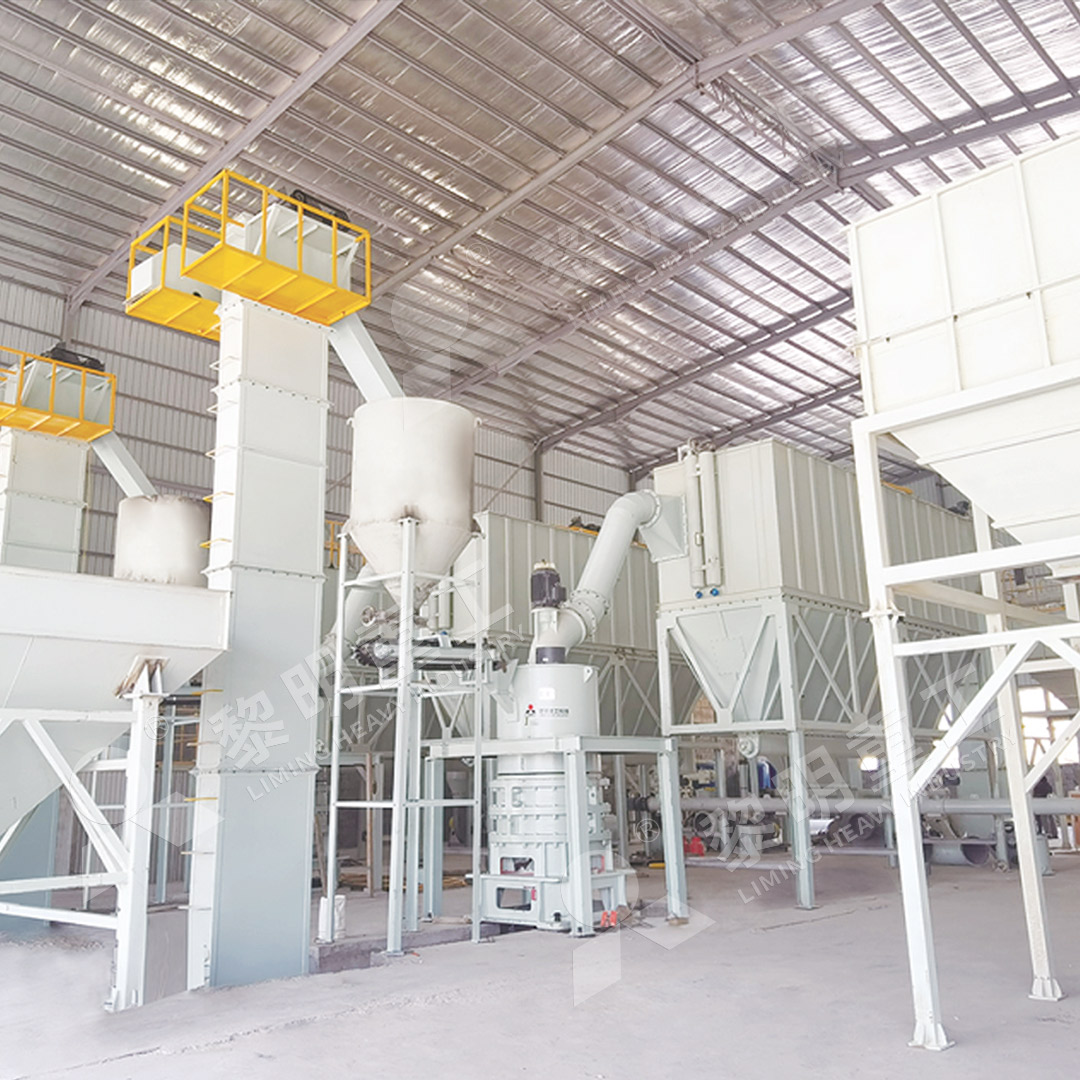
For operations requiring ultra-fine kaolin powders, our MW Ultrafine Grinding Mill represents the pinnacle of processing technology. With an input size capability of 0-20 mm and capacity ranging from 0.5-25 tph, this system is specifically engineered for customers needing to produce ultra-fine powder from coal-series kaolin. The mill features higher yielding capacity with lower energy consumption – achieving 40% higher production capacity than jet grinding mills with system energy consumption only 30% of comparable systems. The adjustable fineness between 325-2500 meshes, coupled with German cage-type powder selector technology, ensures precise control over final product specifications.
Applications of Processed Coal-Series Kaolin
The quality of kaolin powder produced through advanced Raymond Mill processing opens numerous industrial applications. In the paper industry, it serves as a coating and filling material that enhances brightness, opacity, and printability. The ceramics industry utilizes high-purity kaolin for its whiteness and fusion characteristics. Additionally, processed kaolin finds extensive use in paints, cosmetics, pharmaceuticals, and as functional fillers in plastics and rubber compounds. The specific particle size distribution achieved through precise milling directly influences performance in each of these applications.
Environmental and Operational Considerations
Modern kaolin processing with Raymond Mill technology prioritizes environmental sustainability. Our systems incorporate efficient pulse dust collectors and mufflers that minimize dust and noise pollution, ensuring compliance with international environmental standards. The MW Ultrafine Grinding Mill, for instance, operates with no rolling bearings or screws in the grinding chamber, eliminating common failure points and enabling continuous 24-hour operation. This design philosophy extends to all our grinding solutions, providing operators with reliable, eco-friendly processing options.
Alternative Solution: LUM Ultrafine Vertical Grinding Mill
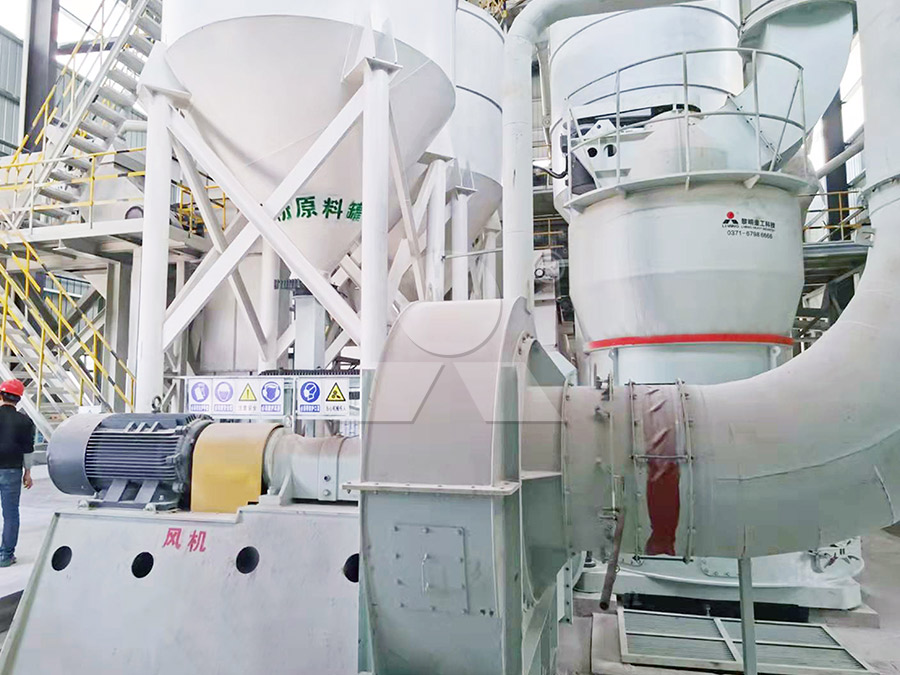
For operations requiring even greater precision, our LUM Ultrafine Vertical Grinding Mill offers exceptional performance with input size of 0-10 mm and capacity of 5-18 tph. This system integrates the latest grinding roller technology with German powder separating technology, specifically designed to avoid materials’ long lingering time and repeated grinding issues. The unique roller shell and lining plate grinding curve design generates material layers more effectively, producing higher quality finished products with improved whiteness and cleanliness.
Frequently Asked Questions
What is the typical moisture content that Raymond Mills can handle for coal-series kaolin?
Modern Raymond Mill systems can effectively process coal-series kaolin with moisture content up to 15%. Integrated drying systems within the mill circuit efficiently reduce moisture to required levels during the grinding process.
How does the MW Ultrafine Grinding Mill achieve higher energy efficiency?
The MW Mill incorporates newly designed grinding curves of grinding roller and grinding ring that enhance grinding efficiency significantly. Compared to traditional systems, it reduces energy consumption by up to 70% while increasing production capacity by 40%.
What particle size range can be achieved with these grinding systems?
Our MW Ultrafine Grinding Mill can produce powders ranging from 325 to 2500 meshes, with the capability to achieve d97≤5μm particle size distribution through its advanced cage-type powder selector technology.
How do these systems address iron contamination concerns?
Both the MW and LUM grinding mills feature designs that minimize metal-to-metal contact in critical areas. The absence of rolling bearings in the grinding chamber and specialized alloy construction significantly reduces iron contamination, preserving product whiteness and purity.
What maintenance advantages do these systems offer?
The innovative design of our grinding mills, particularly the external lubrication systems and reversible structures, allows for maintenance without shutdowns. This design philosophy reduces operational downtime and extends equipment lifespan significantly.